Start with a clear angle: make “reading clouds for weather” simple and fun
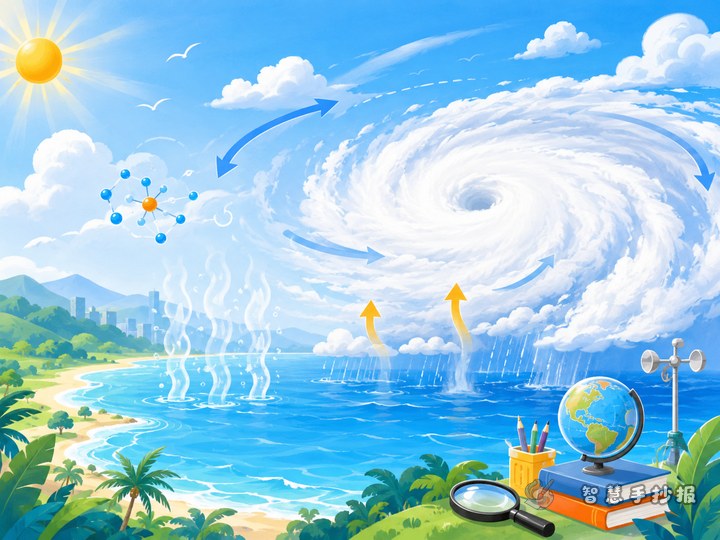
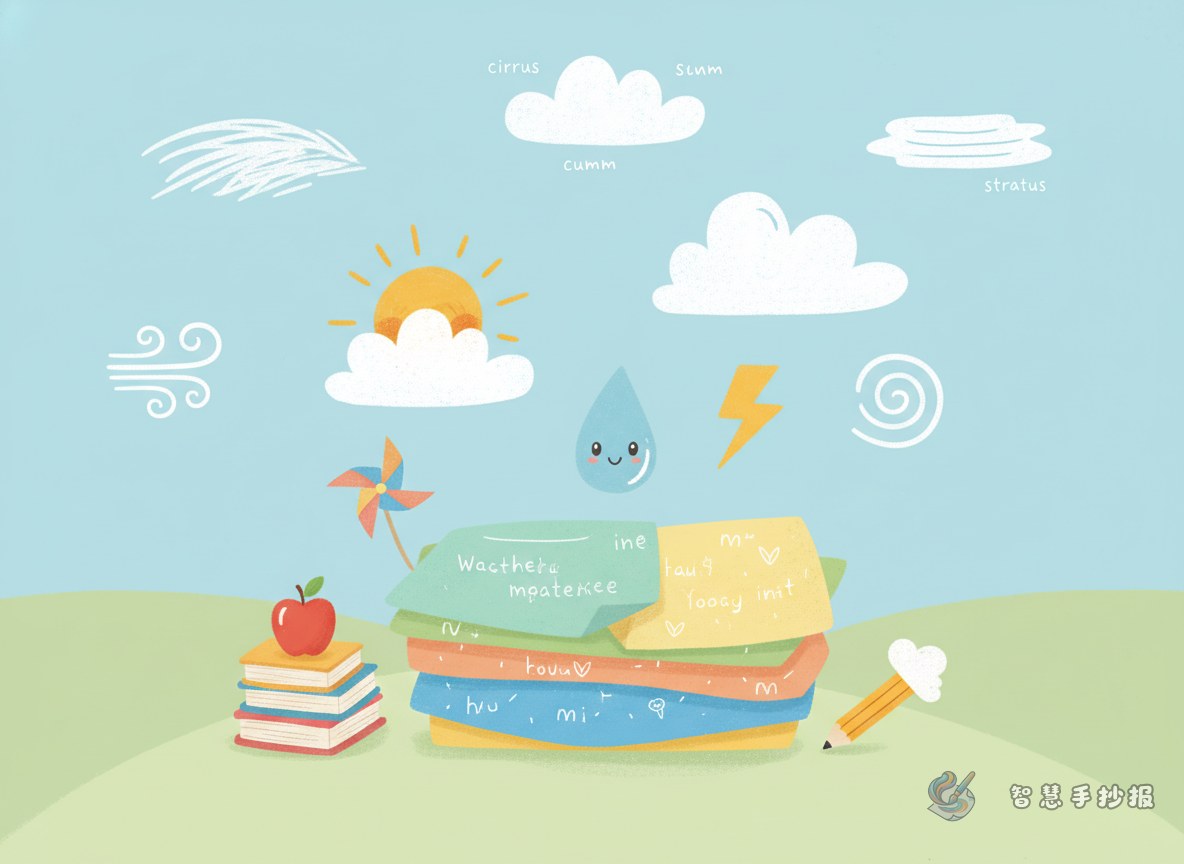
A cloud-and-weather theme works very well for a science poster because it connects daily observation with basic meteorology. Instead of filling the page with difficult terms, organize the poster around four easy ideas: what clouds are, common cloud types, what they may suggest about the weather, and how to observe the sky carefully.
For younger students, keep the wording short and direct. For example, “Thin high clouds may mean the weather is changing” and “Dark towering clouds often bring rain or storms.” Short lines are easier to copy, remember, and display in class.
Useful sections students can write on the poster
Basic cloud facts
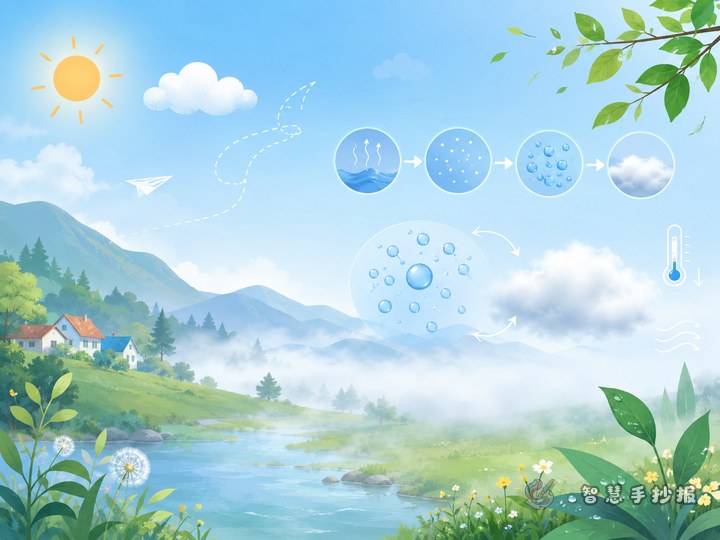
- How clouds form: Water vapor in the air cools and turns into tiny droplets or ice crystals. When many gather together, they form clouds.
- Why clouds look different: Their shape depends on height, temperature, wind, and moisture.
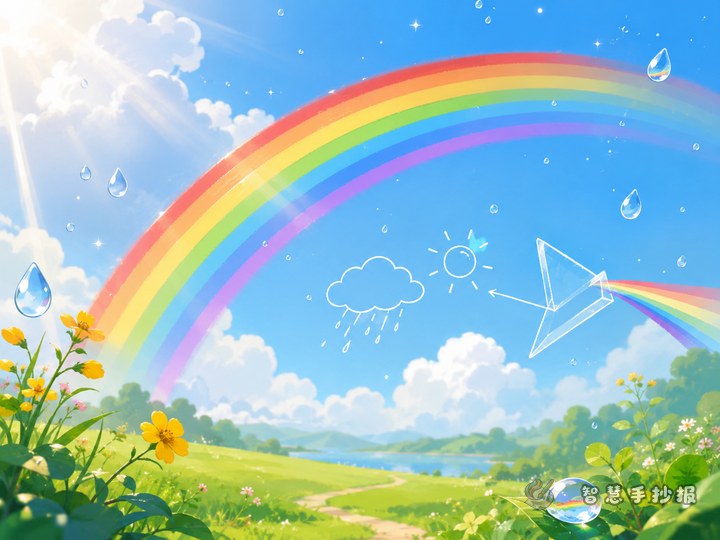
- Why clouds change color: Clouds are often white in sunlight, golden or red near sunset, and dark gray when they are thick and heavy.
Common clouds and weather clues
- Cirrus: Thin and feathery, usually high in the sky, often a sign that weather may change later.
- Cumulus: Puffy like cotton, common on fair days, but larger ones can grow into rain clouds.
- Stratus: A low gray layer that can make the sky look dull and may bring mist or light rain.
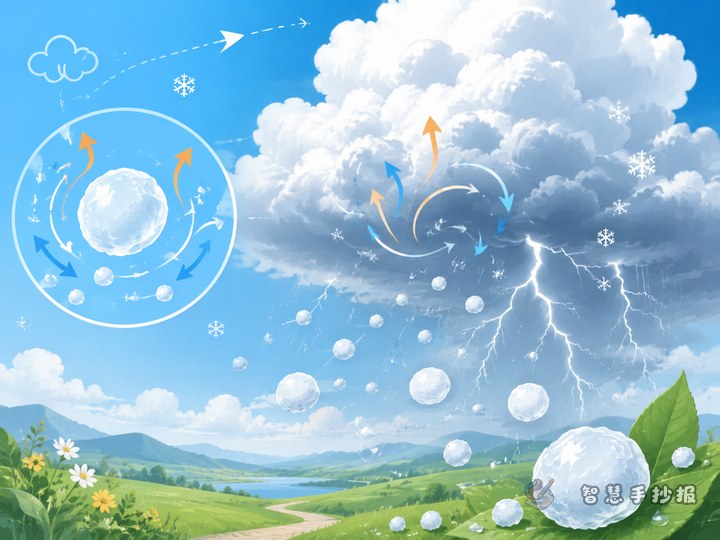
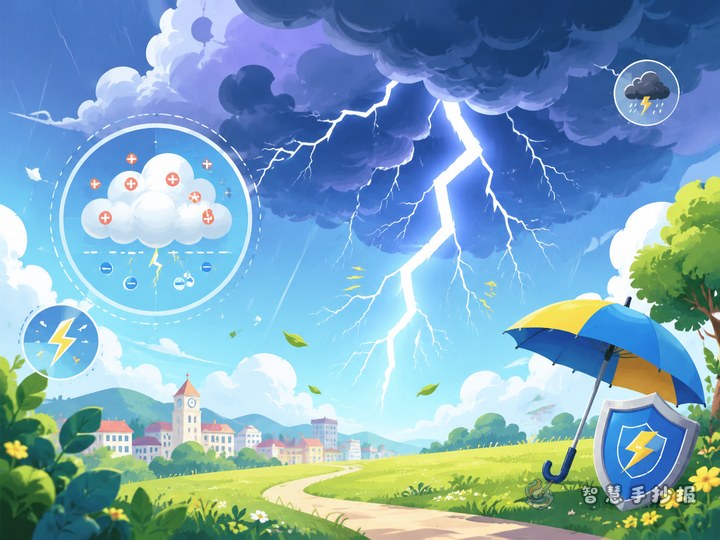
- Cumulonimbus: Tall, dark, and thick, often linked with thunderstorms, strong wind, or heavy rain.
Simple observation tips
- Look at whether the clouds are high or low.
- Notice the color: bright white, pale gray, or dark gray.
- Watch how fast the clouds grow or move.
- Compare cloud changes with wind and temperature, not just one quick glance.
Short lines for decoration and captions
These short sentences fit well in small boxes, side notes, or blank spaces on the poster:
- The clouds above us are little messengers of weather.
- When clouds change shape, the weather may change too.
- Watching the sky is a fun way to learn science.
- Dark clouds are a warning to pay attention to the weather.
- Meteorology can be discovered in everyday life.
You can also end with a neat closing line: Observe the sky carefully, understand weather scientifically.
Try a “sky observation diary” layout
Instead of dividing the page into equal boxes, use a more visual layout. Put the main title at the top center with cloud decorations. On one side, create a “Types of Clouds” section. On the other side, add a “What the Weather Might Be” section. At the bottom, leave space for “What I Saw Today in the Sky.” This makes the poster feel more lively and personal.
- Title area: Large heading with clouds, sun, and wind lines.
- Science area: Cloud formation and cloud types.
- Clue area: Match cloud shapes with possible weather.
- Observation area: Add one or two personal notes about the sky.
Use light blue, white, and soft gray as the main colors, with a little yellow or orange to brighten the page.
How to finish the poster neatly
A good ending can briefly say that clouds are closely connected to everyday life. Learning to observe them helps students understand weather changes and practice scientific observation. If you want to keep improving the layout, colors, or section design, you can continue making your poster in the Zhihui Shouchaobao WeChat mini program.