Start with a theme that is easy to expand
A practical title for this poster is Protect Wildlife, Learn About Biodiversity. It works well for school assignments and makes it easy to organize ideas such as why animals should be protected, what biodiversity means, and what students can do in daily life. For children, the key is not to sound too academic, but to show that animals, plants, insects, and people are all connected.
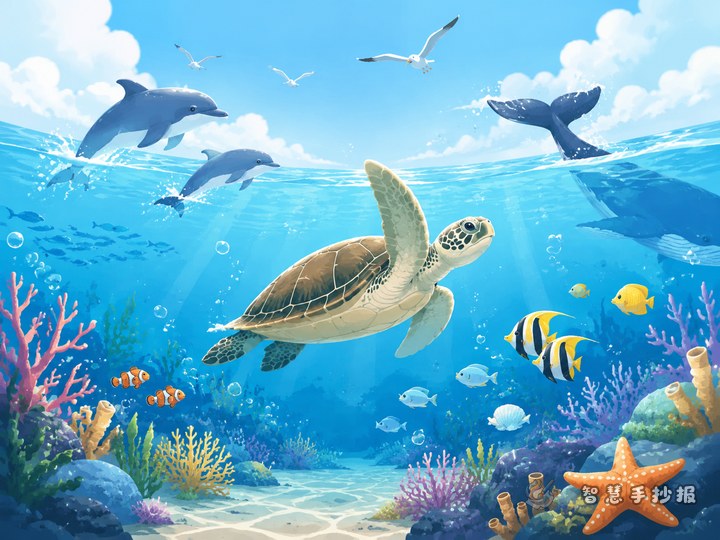
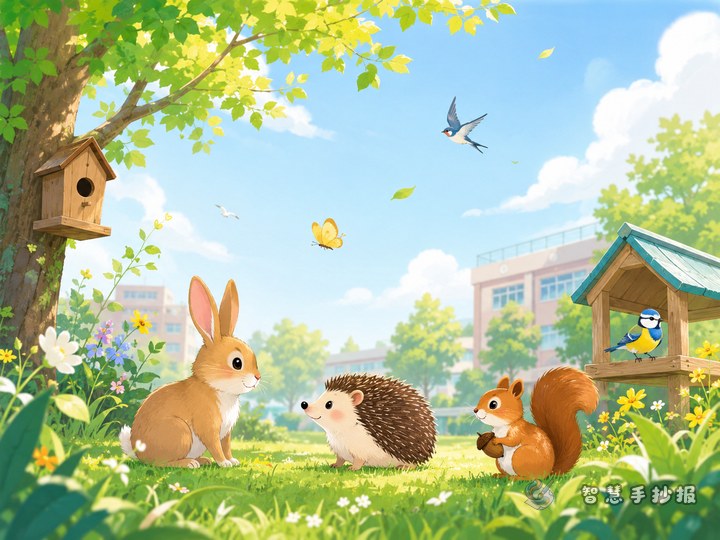
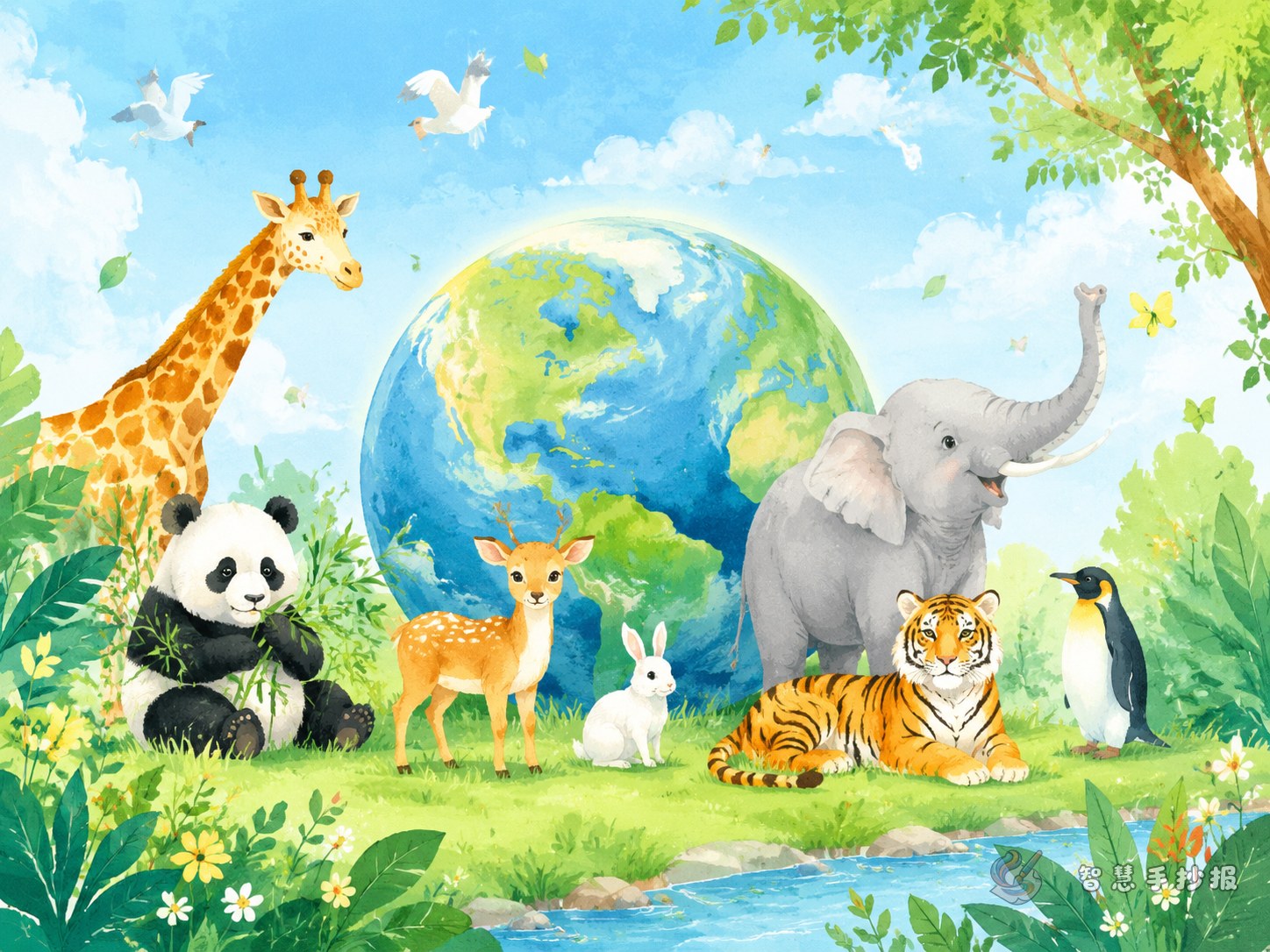
If the page has enough space, place the main title in the center and add small illustrations of the earth, forests, oceans, birds, or butterflies to create a lively “shared planet” feeling.
Ready-to-use content sections
Section 1: What is biodiversity?
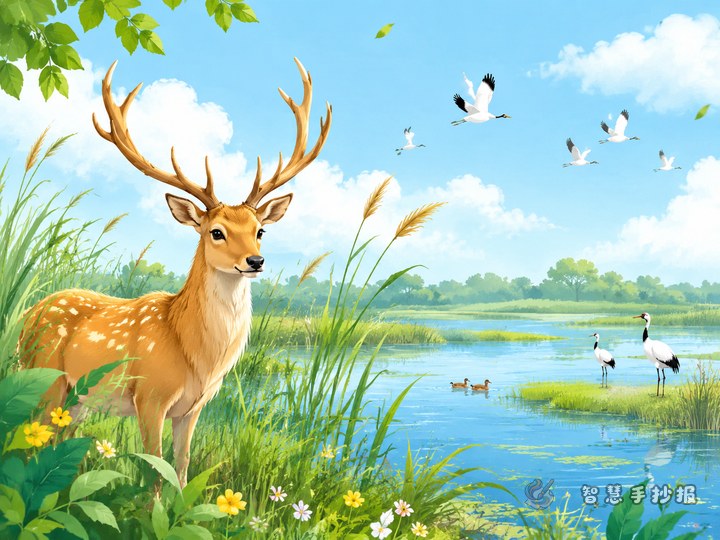
Biodiversity means the rich variety of life on Earth. It includes different animals, plants, tiny living things, and the environments where they live. A forest may have tigers, squirrels, birds, insects, and mushrooms. A wetland may have fish, reeds, frogs, and water birds. Together, they form a balanced natural world.
Section 2: Why do we protect animals?
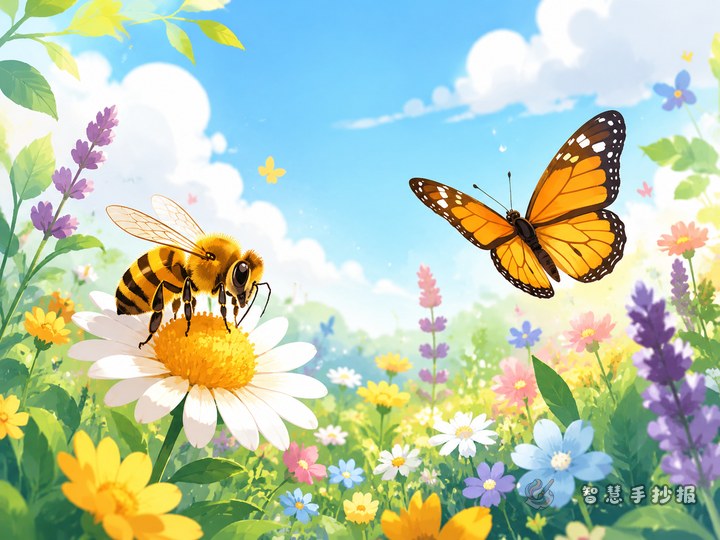
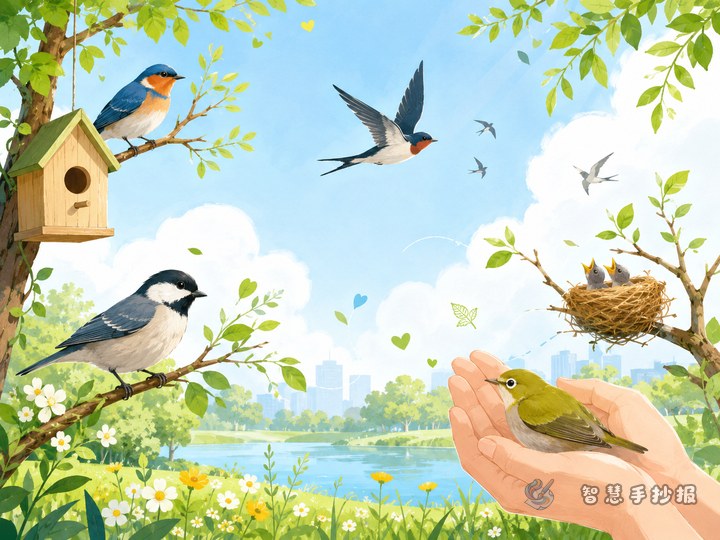
Protecting animals is not only about saving one cute species. It is also about protecting ecological balance. Bees help flowers and crops grow through pollination. Birds spread seeds. Frogs can help reduce pests. If one part of nature is damaged, other parts may also be affected, including the environment people depend on.
Section 3: What dangers do animals face?
- Habitat loss, such as shrinking forests and wetlands.
- Illegal hunting and capturing of wild animals.
- Pollution that harms water, air, and soil.
- Feeding, buying, or keeping wild animals without understanding their natural needs.
Section 4: What can students do?
- Protect trees, flowers, and green spaces.
- Do not catch or buy wild animals.
- Save paper, water, and electricity.
- If you find an injured wild animal, ask adults or professionals for help.
- Share ideas about animal protection with classmates and family.
A layout idea that looks clear and lively
A good layout is one main title in the center with four content blocks around it. Put “What is biodiversity?” in one corner, “Why animals matter” in another, then “Threats to wildlife” and “What we can do” in the remaining spaces. This makes the poster easy to read at a glance.
For decoration, use leaves, vines, waves, feathers, or animal footprints as borders. Green, blue, and yellow are great main colors because they feel fresh, natural, and friendly for student work.
Extra materials to make the poster stand out
You can add a small section for slogans to make the poster more memorable. For example:
- Protect animals, protect our shared home.
- When life thrives, Earth shines.
- Care for wildlife, protect biodiversity.
- Start with small actions, protect big nature.
You can also include a short part called “Biodiversity Around Me” and write about sparrows, ants, butterflies, trees, or flowers seen at school or near home. This makes the work more personal and realistic.
Simple tips for a better final result
Do not fill the whole page with long paragraphs. Keep each paragraph short and use clear subheadings. Make the main title bold and lively, while keeping the body text neat and readable. Decorations do not need to be complicated. Simple animal faces, leaf shapes, or a small earth drawing are enough.
If you already have the topic but want more help with layout, title styles, and matching content, you can continue designing your poster in the Zhihui Shouchao Bao WeChat mini program.