Start with a clear theme focus
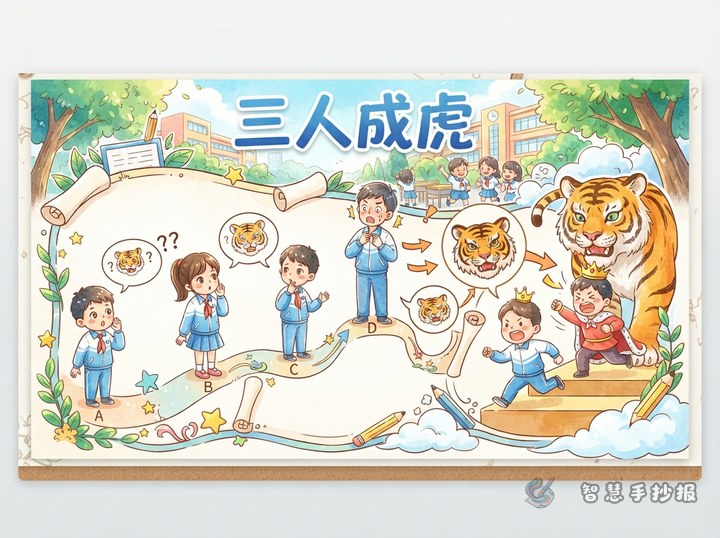
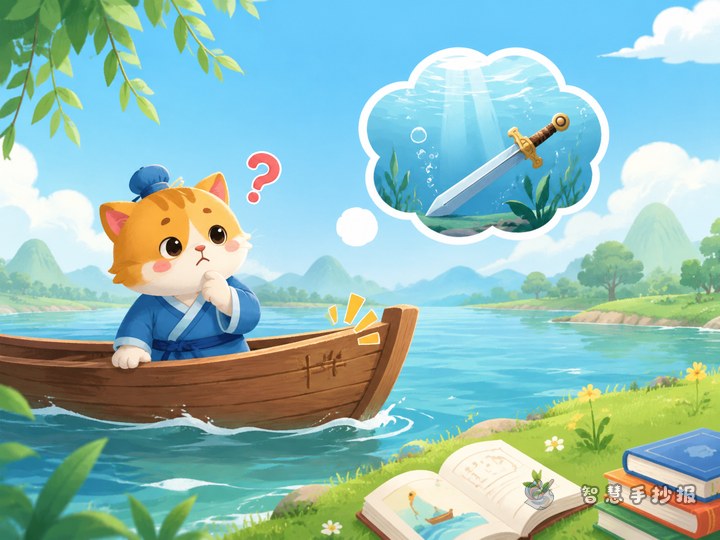
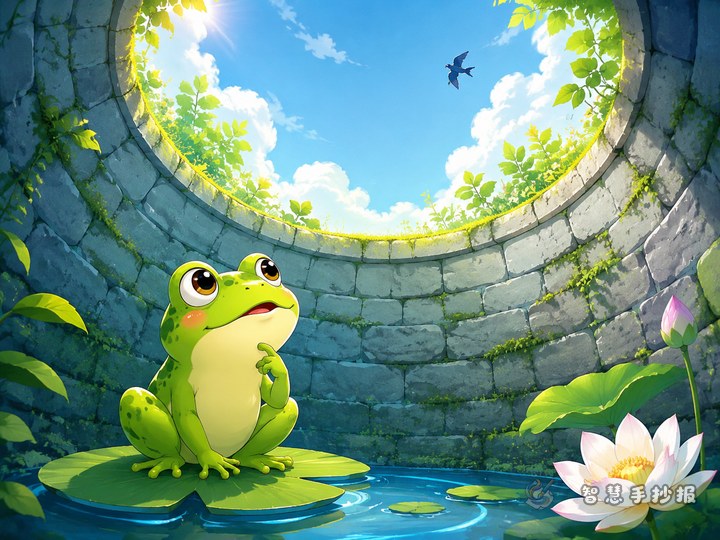
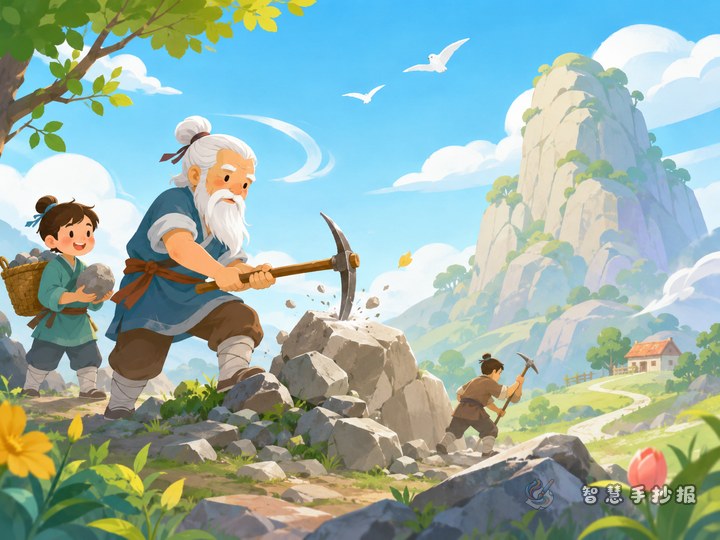
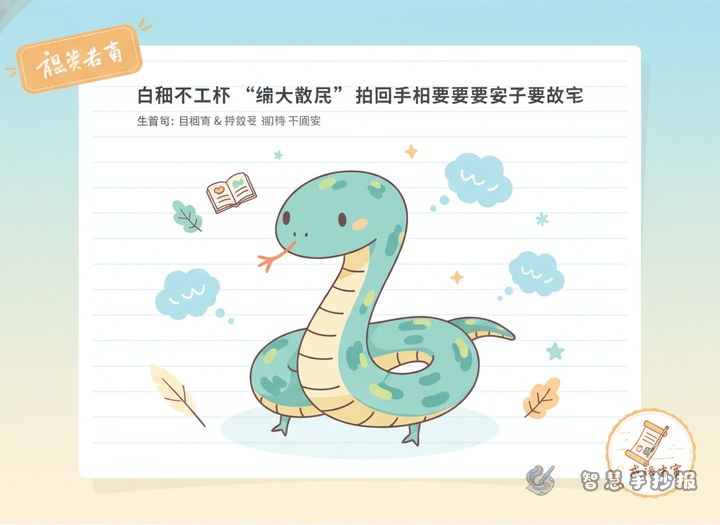
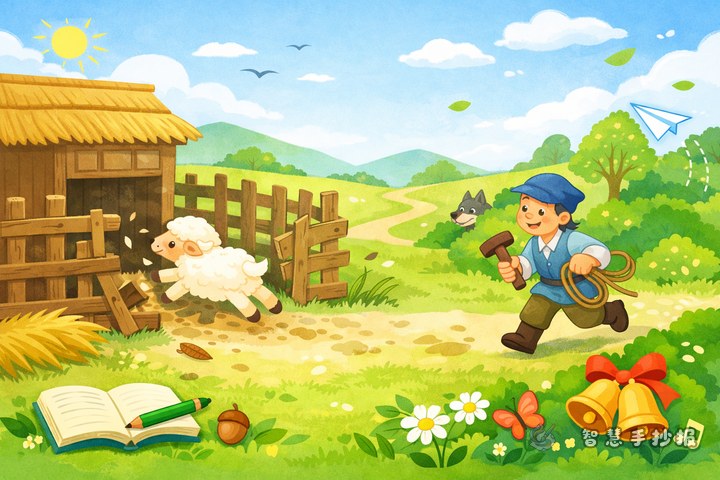
If you want to make a handwritten newspaper about idiom allusions and fable stories, a very practical topic is "How to create an idiom allusions and fable stories handwritten newspaper". It fits school assignments and helps students organize writing, drawing, and layout ideas quickly. Instead of collecting too much information, choose familiar stories such as Waiting by a Tree Stump, Drawing Legs on a Snake, The Fox Borrowing the Tiger's Might, and Pulling Up Seedlings to Help Them Grow. Then connect each story to meaning and life lessons.
Build the page around a story map
You can design the page like a small reading square. Put the big title at the top, then arrange 3-5 story blocks around it. Each block can include these short parts:
- Story name: write the idiom or fable title clearly
- Brief plot: explain the story in 2-3 sentences
- Meaning: tell what the idiom means or what the fable teaches
- My understanding: add one sentence about what students learned
This method makes the newspaper readable and easy to copy by hand.
Suggested writing materials
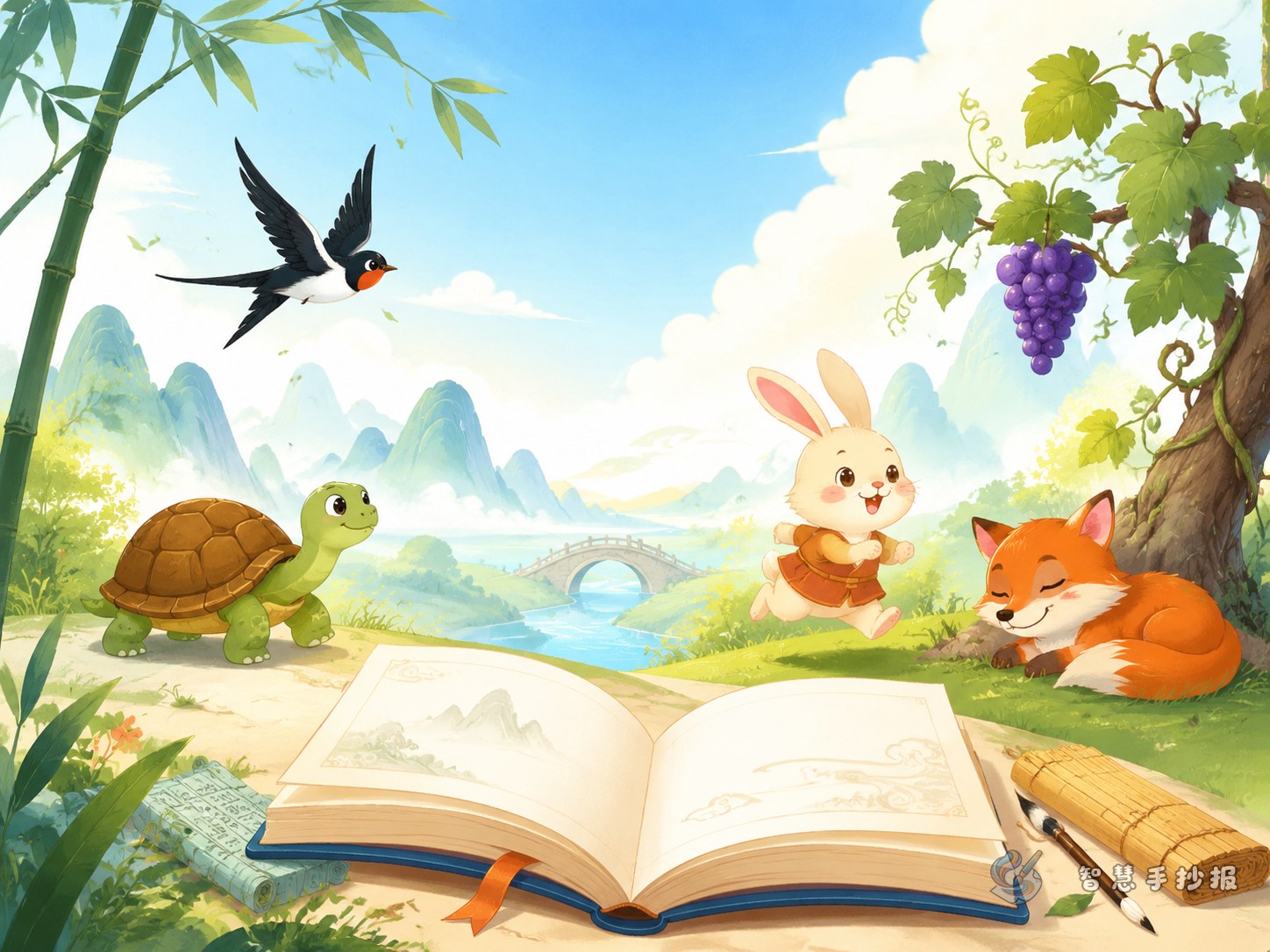
For content, keep it short and child-friendly. You may include idiom allusions such as The Blind Men Feeling an Elephant, Mending the Pen After Losing Sheep, and Buying a Casket and Returning the Pearl. You may also include fables like The Crow Drinks Water or The Tortoise and the Hare if the teacher allows broader story choices. The key is not to write a long essay. Turn each item into short, clear notes that fit a school newspaper page.
Useful mini sections
- Idiom Story Spotlight
- Fable Wisdom Corner
- Meaning in Daily Life
- Good Words and Sentences
- My Favorite Story
Layout ideas that look lively
For visual style, use a scroll, bamboo slips, book pages, or cloud shapes as text boxes. If the paper is horizontal, divide it into left and right sections. If it is vertical, arrange the title, main stories, and reflection from top to bottom. Use simple icons such as ancient hats, brushes, trees, foxes, rabbits, crows, or fields to match the stories. Keep the handwriting neat and leave some blank space so the page does not look crowded.
Make the page more complete
A strong handwritten newspaper should not stop at copying stories. Add a small concluding part such as "What these stories teach us" or "I learned from reading idioms and fables". This helps students show understanding, not just collection. Parents and teachers can also guide children to choose one main color, such as light green, warm yellow, or sky blue, to create a clean and cheerful page. If you want to keep improving the design and quickly try different layouts, you can continue making it in the WeChat mini program of Wisdom Handwritten Newspaper.