Start with a clear focus: the visible beauty of ancient Chinese cities
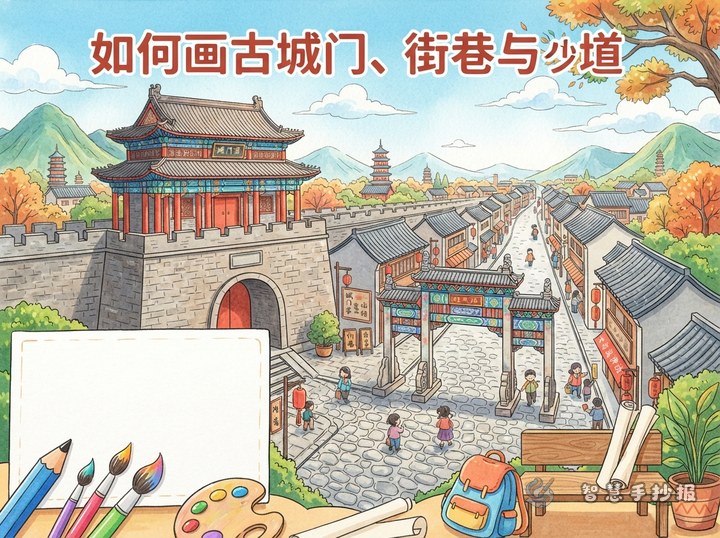
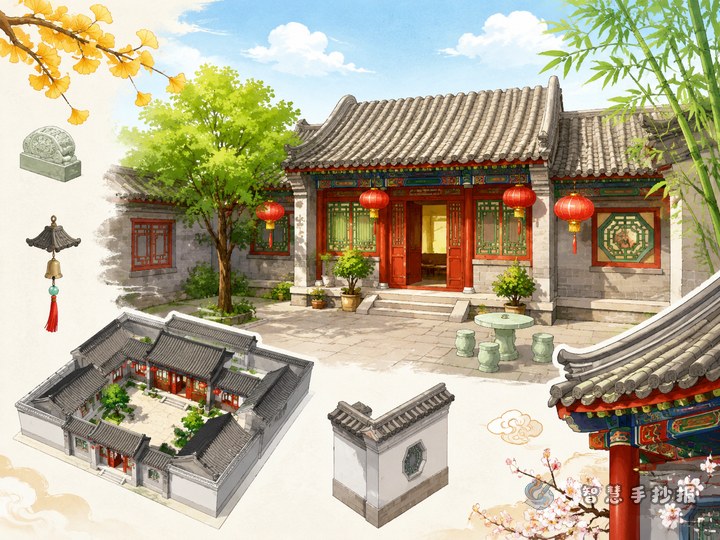
This handwritten newspaper topic works best when it centers on traditional Chinese architecture and ancient city culture. Instead of making it too academic, help readers notice the most recognizable features of an old city: city gates, walls, stone roads, old streets, archways, bridges, courtyards, roofs, and carved windows. The goal is to explain why ancient cities feel special.
For elementary students, it is better to use one main title with several short sections. This keeps the page neat, readable, and suitable for classroom display.
Section ideas you can use directly
Section 1: Common buildings in an ancient city
- City gate: the entrance to the old city, often grand and impressive.
- City wall: shows both defense functions and historical value.
- Ancient street: lined with shops and full of everyday life.
- Traditional houses: often include courtyards, wooden doors, gray tiles, and white walls.
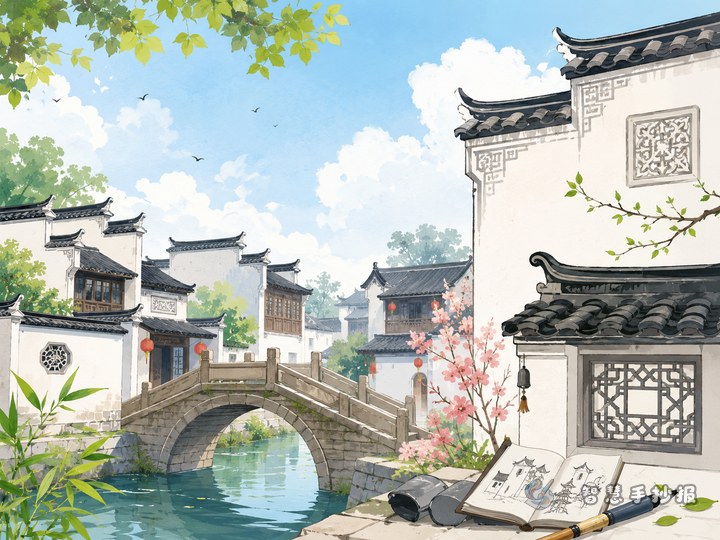
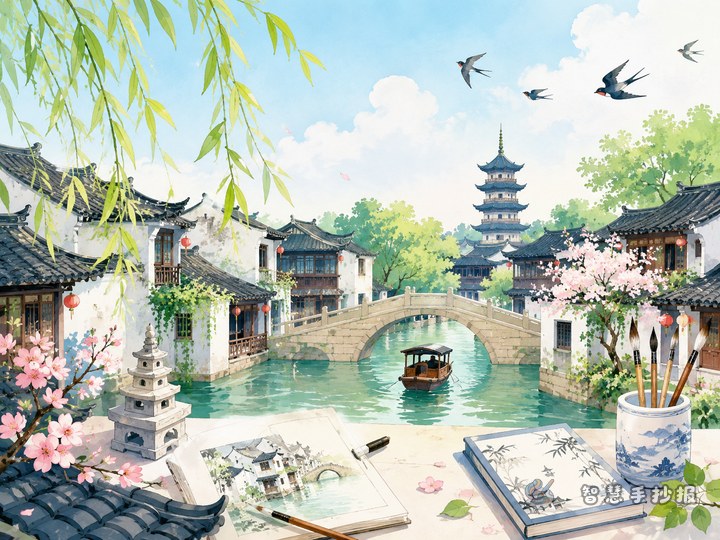
- Archways and bridges: important landmarks with local style.
Section 2: Features of traditional architecture
- Roofs often have upturned eaves and graceful lines.
- Doors and windows are usually symmetrical and decorative.
- Wood, brick, and stone are commonly used together.
- Colors are often gray, white, and natural wood, sometimes with red accents.
Section 3: Quick facts about ancient city culture
- An ancient city includes both architecture and local customs.
- Many old cities were built near rivers or mountains for daily life and transport.
- Traditional buildings reflect Chinese craftsmanship and aesthetic ideas.
Short writing material for the page
An ancient Chinese city is like an open history book. Its gates, walls, old streets, and houses preserve stories of the past. Traditional architecture is not only beautiful, but also practical and wise in design. Upturned eaves, tiled roofs, wooden windows, and stone bridges give old cities a calm and elegant charm. Learning about ancient city culture helps us understand and appreciate Chinese heritage.
Architecture is not just wood, brick, and stone. It carries the memory of a place. Every old street and every weathered wall can tell us how people once lived and what they valued.
Layout tips for an old-city style page
A good layout is a central main title with sections around it. Put the title inside a frame shaped like a city gate or scroll to create a traditional feeling. On the left, place “building features”; on the right, “ancient city culture”; at the bottom, “how to protect historic buildings”; and at the top, small decorations such as rooflines, lanterns, or brick patterns.
- Recommended colors: gray-blue, brick red, beige, and dark green.
- Useful border patterns: roof tiles, lattice windows, and geometric lines.
- Simple drawings: city gate, stone bridge, lantern, alley, and eaves.
- Do not fill every space with text; some blank space makes the page cleaner.
How to end the handwritten newspaper
The ending can focus on protecting traditional buildings and passing on ancient city culture. Students can write about caring for historic sites, visiting politely, and learning more about local history. If you want to keep improving the title design, section arrangement, and overall page style, you can continue creating in the Zhihui Handwritten Newspaper WeChat mini program.