Start with a clear focus
A green living handwritten newspaper looks better when it has one simple core idea, such as “Low-carbon habits start with me”. Put the main title at the top, then divide the page into smaller parts like home energy saving, eco-friendly school life, green transportation, and waste sorting. This makes the poster feel organized and easy to read.
For children, green living should be explained through daily actions they can really do: turning off lights, saving water, reusing notebooks, bringing a reusable bag, and walking short distances. Practical ideas are easier to write, draw, and remember.
Ready-to-use content for the poster
Short slogans
- Save electricity, protect our green home.
- Waste less, care more for the Earth.
- Low-carbon living starts with small actions.
- Protect resources and cherish nature.
Simple facts and habits
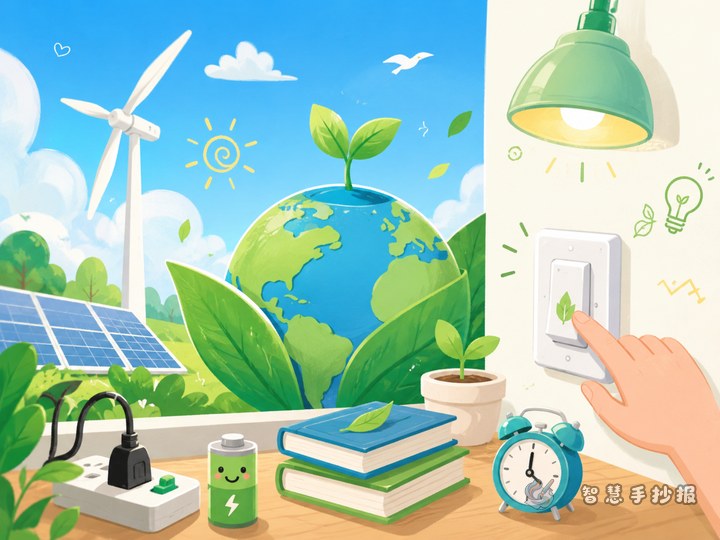
- Turn off lights and fans when leaving a room.
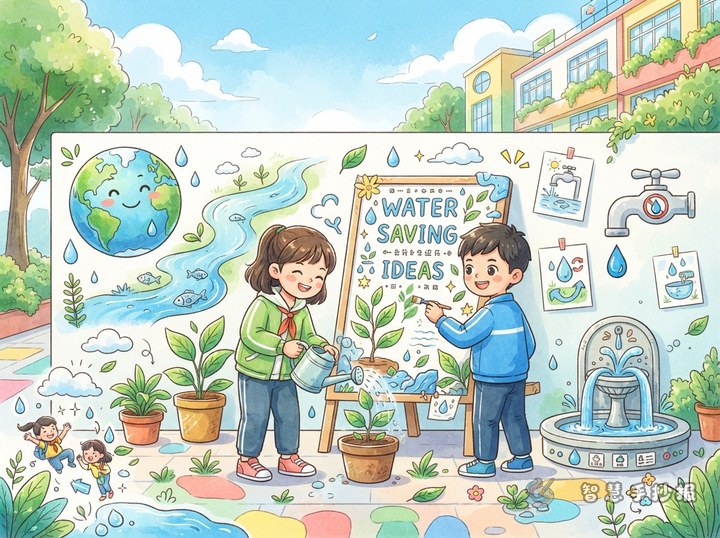
- Close the tap tightly after washing hands.
- Bring your own shopping bag to reduce plastic use.
- Use both sides of paper whenever possible.
- Walk or ride a bike for short trips.
Things I can do
- Check whether electrical devices are off each day.
- Do not waste food.
- Sort rubbish correctly.
- Protect trees, flowers, and grass.
- Practice saving habits with family members.
Creative layout ideas
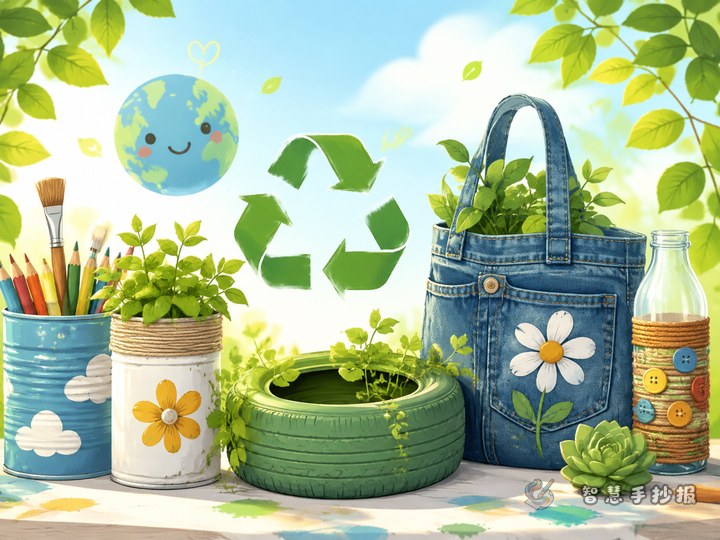
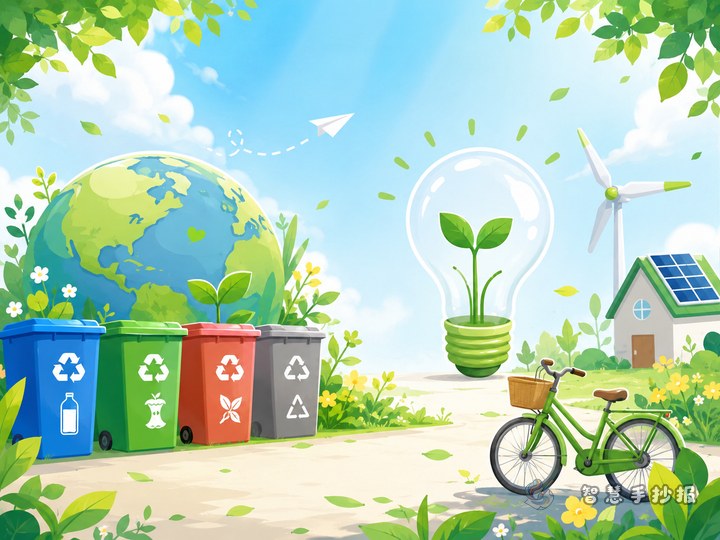
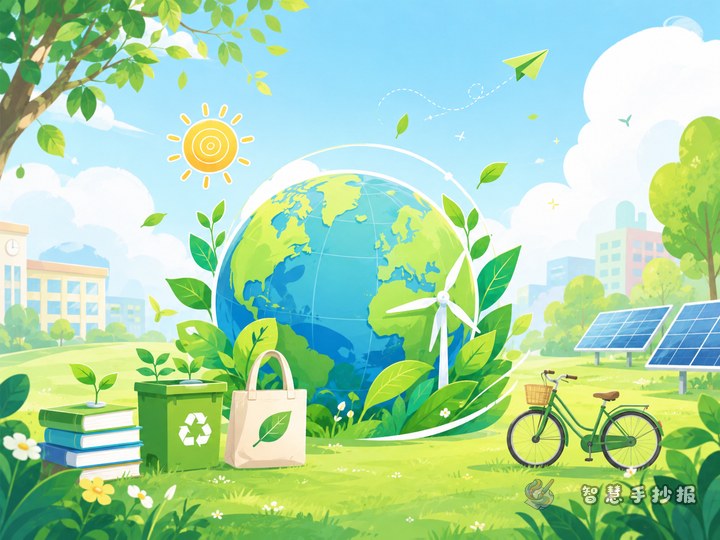
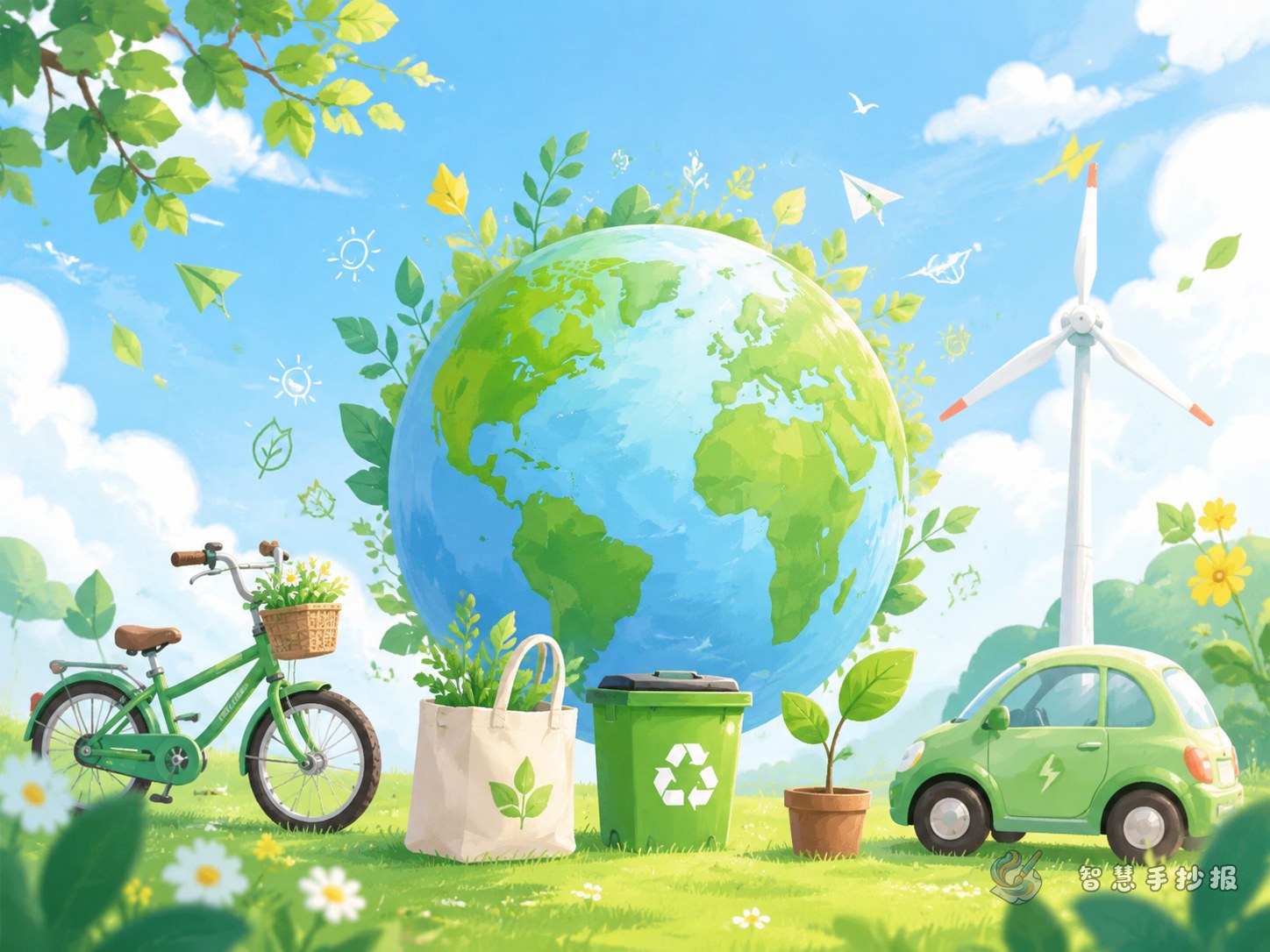
A simple and effective layout is one big title in the middle with four content sections around it. One corner can hold energy-saving facts, another can show slogans, another can list green habits, and the last can include drawings such as the Earth, leaves, bicycles, or a recycling symbol.
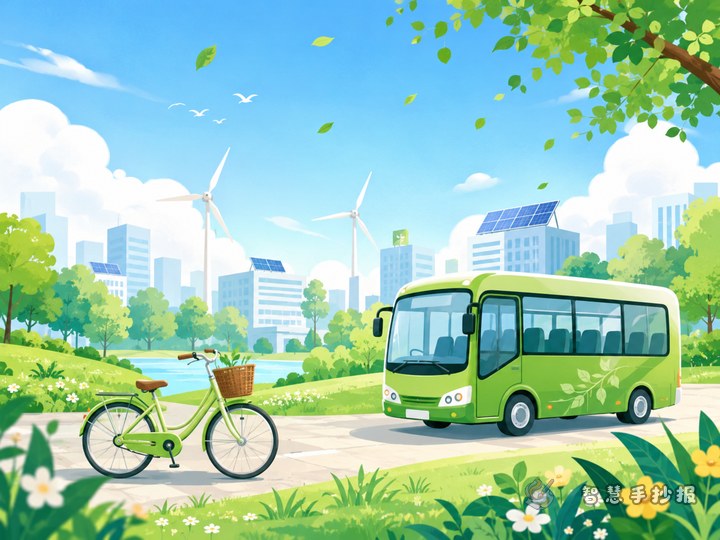
If you want a more creative style, design the page like a green city map. Draw a home, school, park, and bus stop, then place matching low-carbon actions near each place. This looks lively and helps the theme stand out clearly.
Colors and drawings that fit the theme
Green, blue, and yellow work very well. Green shows nature and environmental care, blue suggests clean water and sky, and yellow adds warmth and brightness. Borders can include vines, leaves, clouds, or sunshine. Small drawings such as a smiling Earth, recycling bins, or energy-saving bulbs also match the topic.
Do not fill every space with text. Highlight key lines with stronger colors, and use neat section titles to create a clear visual structure. A clean page often looks better than an overcrowded one.
How to end the poster nicely
The ending can include a short appeal, for example: “Green living is not only a slogan. It is a habit built from saving one drop of water, one sheet of paper, and one unit of electricity.” This gives the poster a complete and meaningful finish.
You can also add a small eco rhyme, a low-carbon habit checklist, or a family energy-saving tip box. If you want more ideas for wording and layout, you can continue creating in the Smart Handwritten Newspaper WeChat mini program.