Start with a clear headline
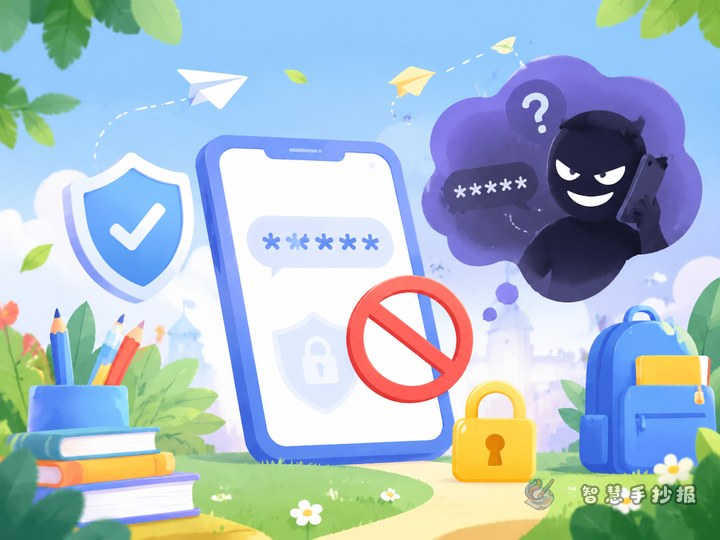
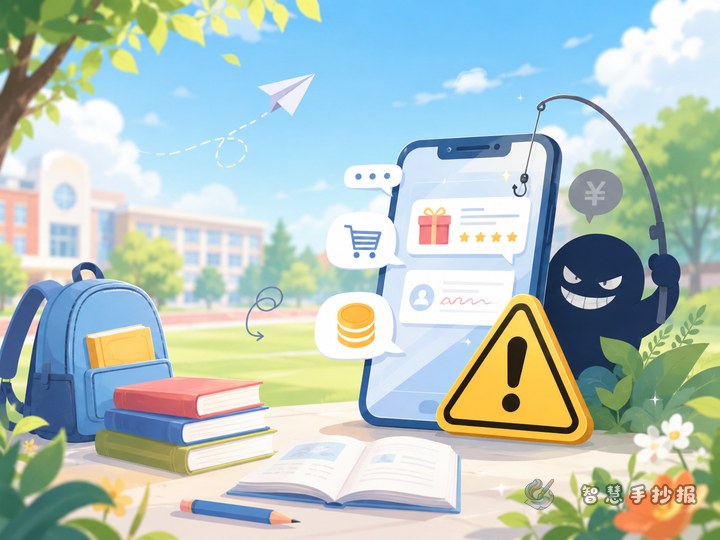
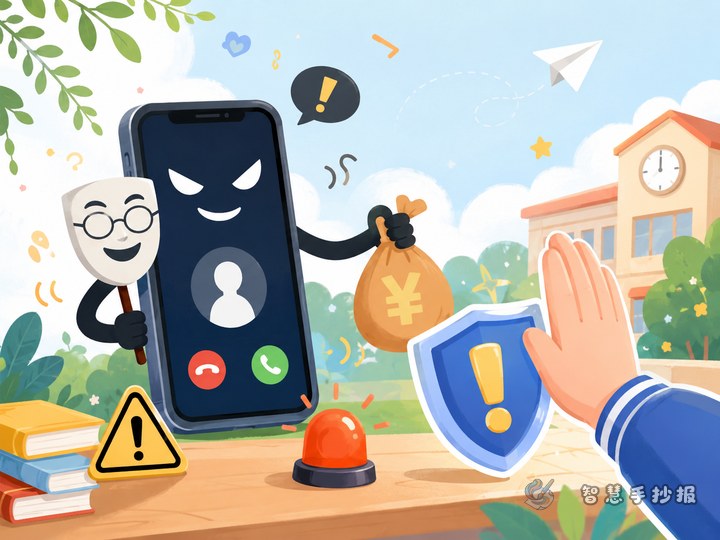
A practical theme for this project is “What should students do when they receive a suspicious link?” It is easy to understand, close to real school life, and suitable for a handwritten newspaper. Use a bold main title and decorate it with small drawings such as a phone, warning sign, shield, lock, or chat bubbles.
Four useful sections for the page
1. Common scams students may see
- Messages pretending to be from a teacher or classmate asking for money
- Prize links, lucky draw pages, or unknown QR codes
- Game account giveaways or fake discount top-ups
- Part-time job or rebate scams
2. What to do before clicking
- Do not open the link right away
- Ask a parent or teacher first
- Check whether the sender is real
- Delete and report suspicious messages
3. My anti-fraud safety slogan
Short lines work well in a school poster: Don’t click carelessly, don’t trust easily, don’t share codes, don’t send money without checking. Think first and verify first.
4. Safety reminders for campus life
Remind students to protect phone numbers, passwords, verification codes, and family information. Do not fill in personal details on unknown websites or join suspicious groups by scanning random codes.
Short text students can copy
A suspicious link may look exciting, but it can hide risks. Some links are made to steal personal information, account details, or money. In school life, scams often appear as urgent notices, fake rewards, or messages that seem to come from someone familiar. The more tempting or rushed a message feels, the more careful students should be.
The best habit is verify first, act later. If something seems strange, ask a teacher face to face, call a parent, or report it to the school. One extra check can prevent a lot of trouble.
How to arrange the layout
A clean design is to place the main title in the center and divide the page into left and right sections. Put “Common Scams” and “Safety Slogans” on one side, and “What to Do” plus “Campus Reminders” on the other. A small checklist can be added at the bottom. Blue and green can be used as the main colors, with red warning marks for emphasis.
- Make the main title larger than the rest
- Highlight key words in bold or bright colors
- Keep each section to 3 to 5 points
- Use simple borders like shields, locks, phones, or magnifying glasses
A strong ending for the poster
You can end with a simple line such as: Campus anti-fraud starts with not clicking suspicious links. Add another reminder like: Tell teachers and parents quickly if something feels wrong. If students want to improve the title style, page arrangement, or decorative details, they can continue creating in the Zhihui Shouchaobao WeChat mini program.