Start with a clear anti-fraud message
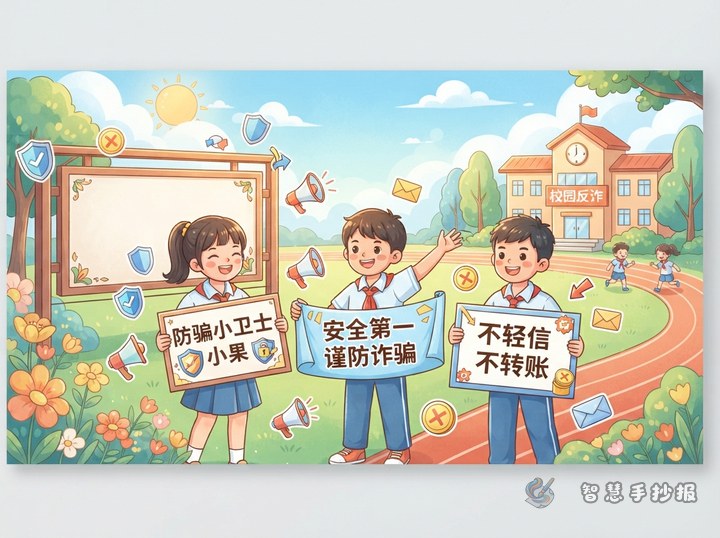
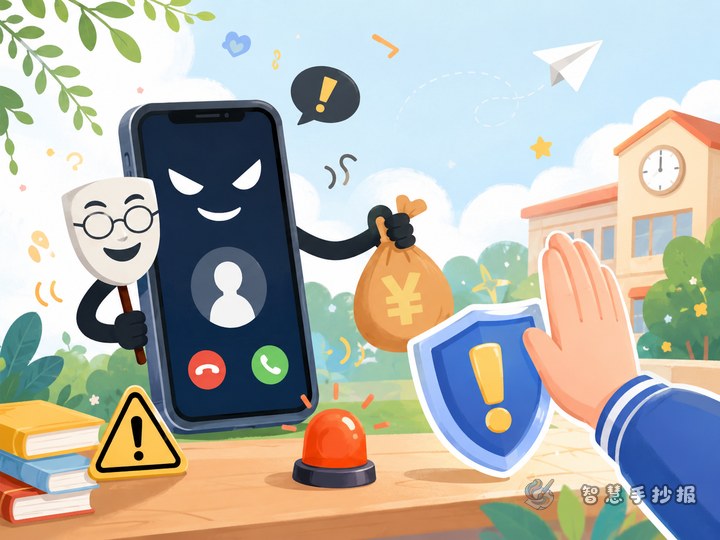
A campus anti-fraud handwritten newspaper should help children recognize common tricks and remember simple safety rules. For primary students, keep the theme direct and easy to understand, such as "Don’t trust strangers online," "Don’t click unknown links," or "Ask parents and teachers before sending money or personal details." The page should focus on practical reminders instead of abstract definitions.
What sections can be included
You can divide the newspaper into small and readable parts so students can learn quickly while viewing it.
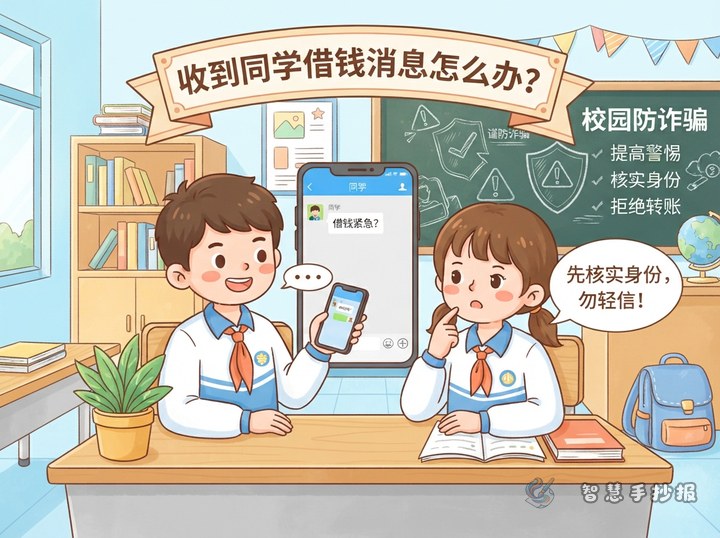
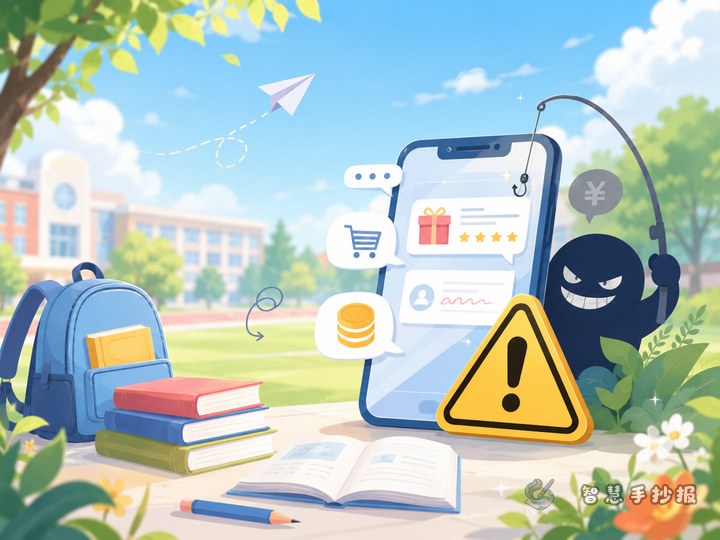
- Common scam scenes: fake prize messages, game account trading, QR code traps, and strangers asking for verification codes.
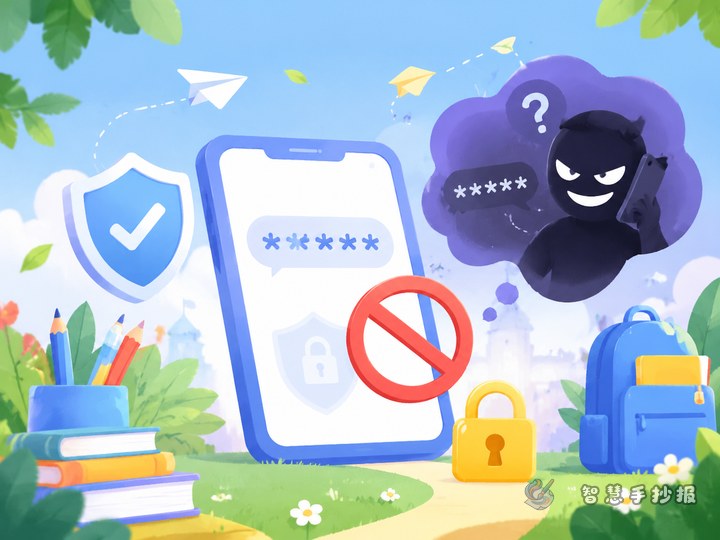
- Safety tips: do not share passwords, school information, home address, or phone numbers casually.
- How to respond: stay calm, stop chatting, do not transfer money, and tell adults immediately.
- Anti-fraud slogan: use short lines that are easy to remember and copy onto the page.
Ready-to-use text materials
You may write: "Fraud often hides behind surprise, urgency, and promises." "If someone asks for money, a password, or a verification code, be extra careful." "When in doubt, ask parents, teachers, or the police." These short lines are suitable for title boxes, side notes, and key reminders.
Short slogans for the layout
- Stay alert and keep scams away.
- Unknown links are not for clicking.
- Protect your information and protect yourself.
- Talk to adults first when something feels wrong.
Layout ideas that fit school use
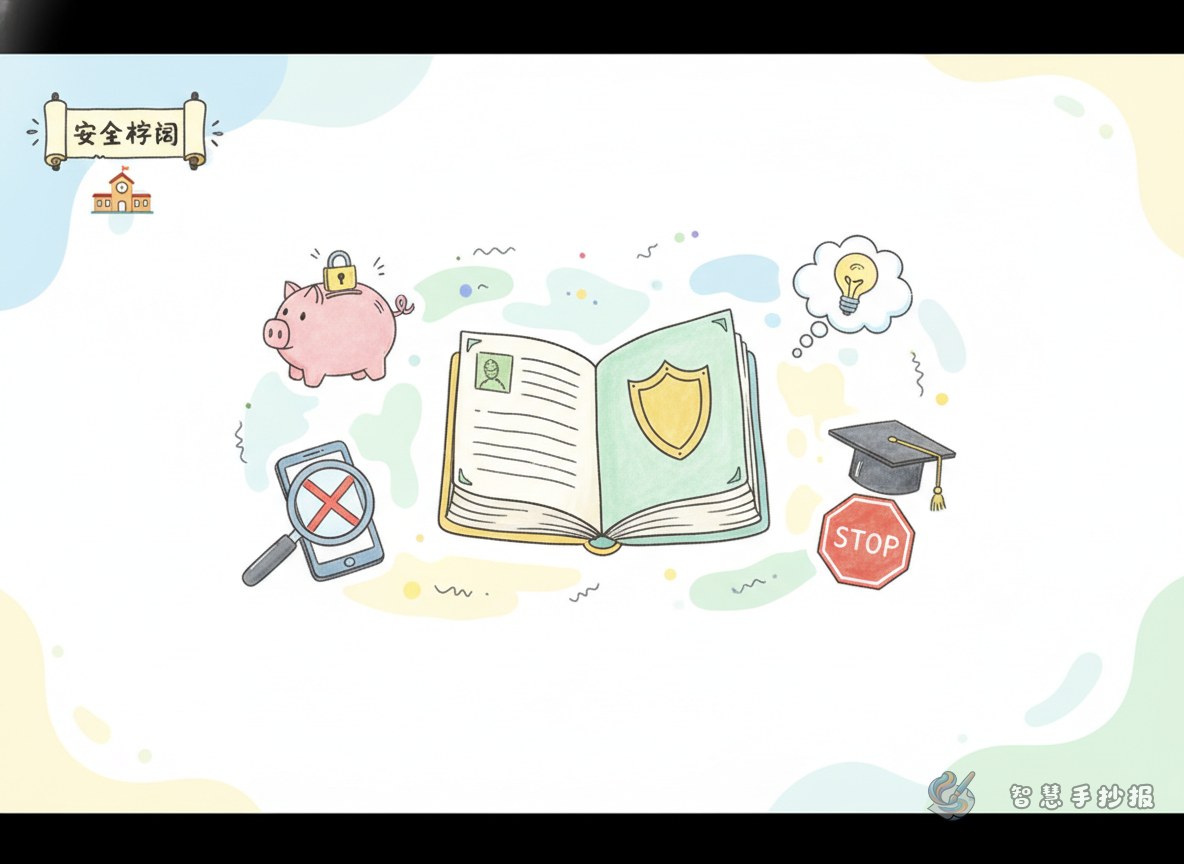
You can place the main title in the center top and use two or three content blocks around it. One side can show scam examples, while the other side lists prevention tips. The lower section can be used for a short checklist like "One stop, two ask, three verify." Use simple borders such as shields, warning signs, speech bubbles, or small locks to match the theme.
Make the handwritten newspaper both neat and vivid
Use blue, green, or orange as the main colors to create a clean and serious but friendly style. Highlight important words with bold strokes and keep each paragraph short. Students can add icons like phones, message boxes, red warning marks, and safe hands to improve recognition. If you want to continue arranging content and trying different layouts, you can also use the WeChat mini program of Smart Handwritten Newspaper for more production ideas.