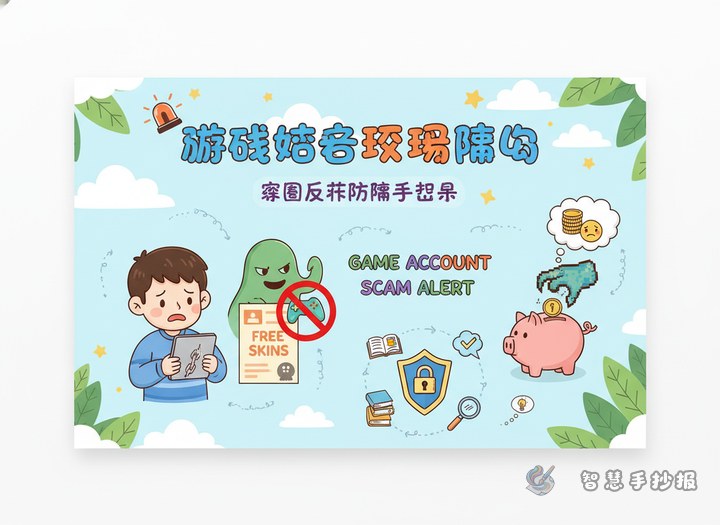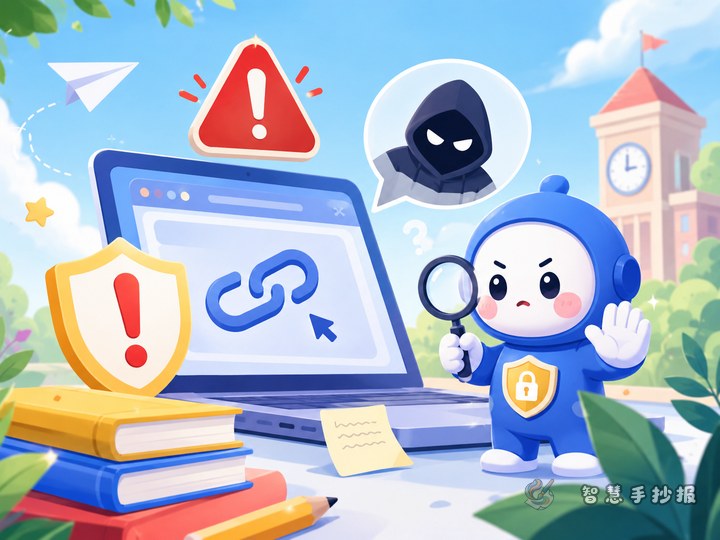
Build the page around one realistic school moment
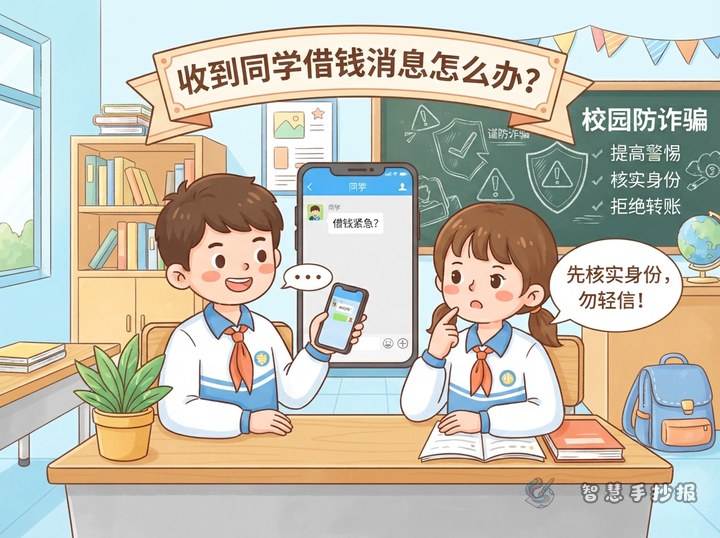
This handwritten newspaper works best when it focuses on a clear situation: a classmate borrows a phone, says a payment is urgent, and then asks for a verification code. That kind of scene feels real to students and makes the anti-fraud message easier to remember.
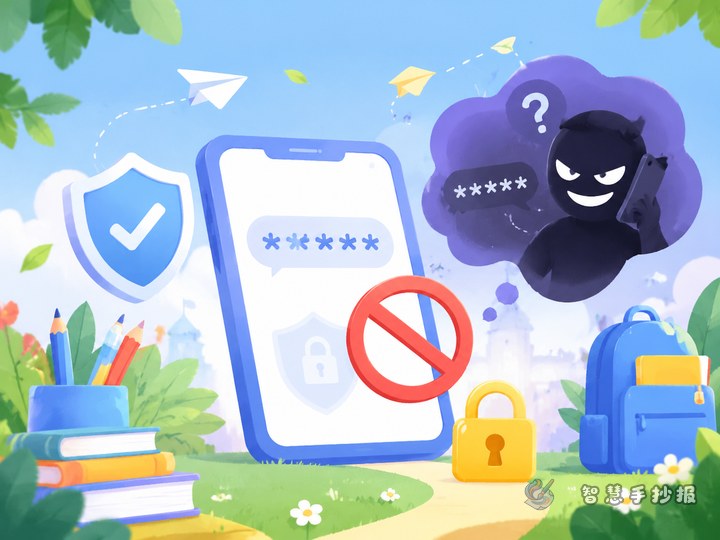
The opening can stress one simple rule: anything involving codes, passwords, face verification, or payment confirmation should never be done in a rush just because someone is pressuring you.
Useful sections for the layout
- Scene box: describe common lines such as “I need to pay quickly” or “Please help me check the code.”
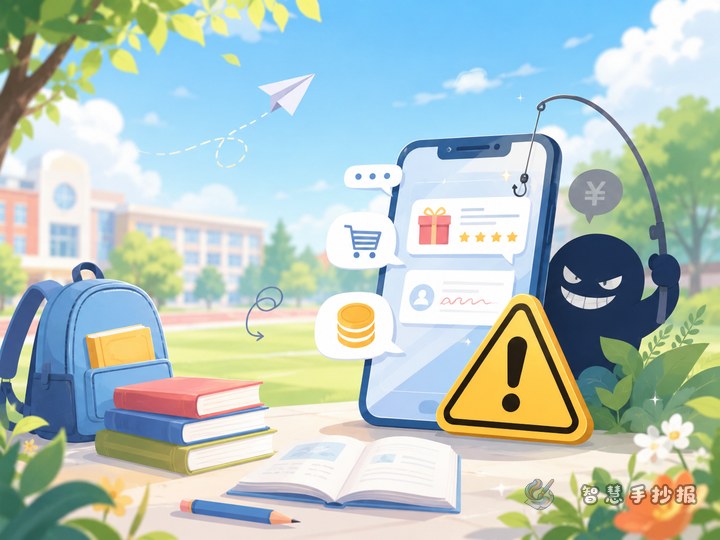
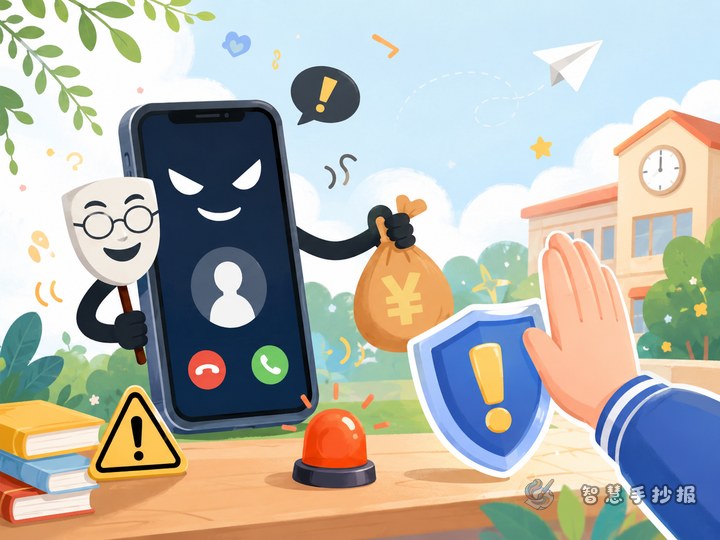
- Warning signs: highlight urgency, secrecy, pressure, and refusal to let you verify.
- Safe response steps: say no, check the facts, and ask a teacher or parent for help.
- Memory lines: add short safety slogans students can remember easily.
A simple layout can place the main title in the center, warning signs on one side, and correct actions on the other. A row of short reminder lines at the bottom helps complete the page neatly.
Writing material students can use directly
Warning signs
- The person sounds rushed and keeps pushing for quick action.
- Borrowing a phone turns into asking for transfer help, codes, or payment confirmation.
- You are told not to check with a teacher, parent, or anyone else.
- The person says things like “Just help once” or “Nothing will happen.”
Safe actions
- Do not enter any verification code, password, or payment details.
- Check the real situation first by asking a teacher, parent, or the student involved.
- If something has already been done, tell an adult immediately and seek help.
Short reminder lines
- A verification code is a safety key, never share it.
- The more urgent it sounds, the calmer you should be.
- If money is involved, stop and check first.
- Even familiar people should be verified in risky situations.
Make the content student-friendly
To keep the handwritten newspaper easy to read, use short lines, lists, and side-by-side comparisons instead of long explanations. For example, placing “wrong action” next to “right action” helps students understand the difference quickly.
You can also add a gentle reminder that helping others is good, but safety rules come first. If something feels unclear, students should ask a teacher or parent before doing anything related to payment or verification.
Simple visual design ideas
Use stronger color for words like “verification code,” “transfer,” and “check first” so the message stands out. Light section blocks can help separate warning signs from safe actions and make the page cleaner.
If needed, the page can be refined further in the Zhihui Shouchaobao WeChat mini program by adjusting title styles, borders, and section spacing for a more polished final result.