Why Short Lines Beat Long Paragraphs on a Handwritten Newspaper
A handwritten newspaper is read from about half a metre away, so people usually scan the title and the bold words only. A long block of text gets skipped, but a short rhyming line can be repeated after two or three readings and often gets shared at home.
So split your text into two layers: slogans and rhymes grab attention, short explanations tell readers what to do. Both layers together keep the page from becoming a wall of slogans.
- Fewer words mean you can write bigger and still fit the space;
- Rhythm makes readers want to say the line out loud;
- Short lines stick in memory long after class ends.
Build a Rhyme in Three Simple Steps
Step 1: Pick an action word
Start with verbs: don't click, don't share, don't transfer, ask a parent first, call to confirm, never scan a strange code. These action words form the backbone of the rhyme and tell readers exactly what to do.
Step 2: Make the line endings match
Write in pairs and let the endings sound similar, such as "tap it / grab it" or "code / told". Read it aloud; if it feels awkward, swap the word. You do not need fancy language.
Step 3: Keep each rhyme to three lines or less
Long rhymes on a handwritten newspaper go unread. Two or three lines per rhyme is plenty, and a small heading or doodle beside it gives readers a natural place to stop.
A handy pattern: Don't ___, don't ___. If ___ happens, ___ first. Fill in the blanks and you have a line in a couple of minutes.
Slogans and Rhymes You Can Copy Right Now
Short slogans for the masthead and border
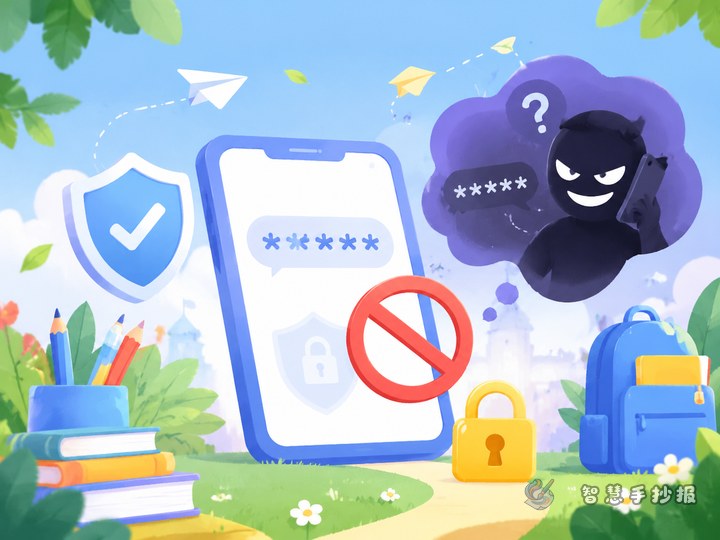
- A verification code is a key: never hand it over
- Ask Mum or Dad before you send a single yuan
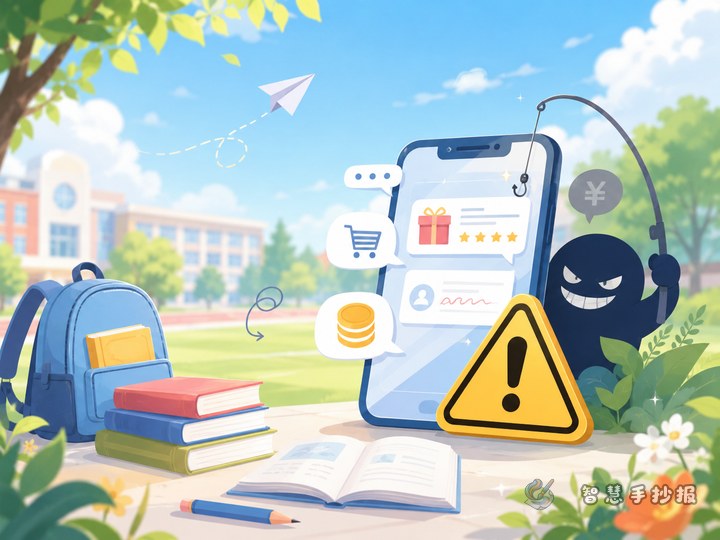
- Odd link? Don't tap it. Free prize? Don't grab it
- Part-time jobs that ask for money are almost always a trap
- Don't believe it, don't share it, don't transfer it
Two-line rhymes for the main columns
- Odd link, don't tap it; free prize, don't grab it. Your code is your house key, so keep it to yourself.
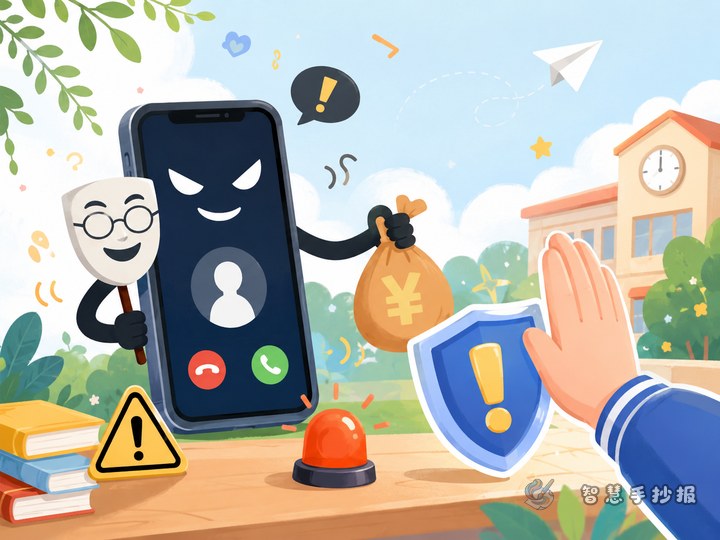
- A classmate asks for money online? Call them first. Names and photos can be copied, so confirm face to face.
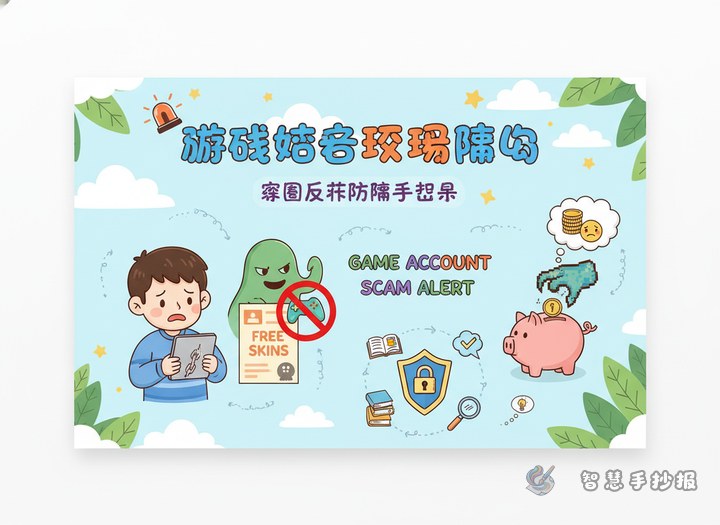
- Free game skins at your door? Someone wants your scan code. Never lend your game account, and keep the password to yourself.
Placing Slogans Where Eyes Land First
- Beside the masthead: use your strongest line as a subtitle, one size larger than the body text.
- Around the border: run short slogans down the edges, so they decorate and remind at the same time.
- Above each column: open with one line, then add two or three lines of plain explanation.
- In one corner: leave a small box saying "If something feels wrong, tell a teacher or a parent first".
Writing tip: keep each line under ten characters, leave a little space between rows, and use two colours to separate slogans from explanations. Clean spacing reads much faster.
One Interactive Box Makes the Whole Page Fun
Anti-fraud topics work well for interaction, because readers start wondering whether they would fall for it. Give about a third of the page to one of these:
- A quick quiz: three true-or-false questions, with the answers tucked into a corner;
- Fill in the rhyme: leave out the key words and let readers write them in;
- My anti-scam promise: add a signature line where readers write one thing they will do.
Once the words are ready, the layout is the last step. If you would rather not draw the grids from scratch, open the Smart Handwritten Newspaper mini program in WeChat, choose an anti-fraud template, and drop your slogans, rhymes, and explanations into the masthead, border, and columns. Adjust the colours and frames, and your page is ready to hand in.