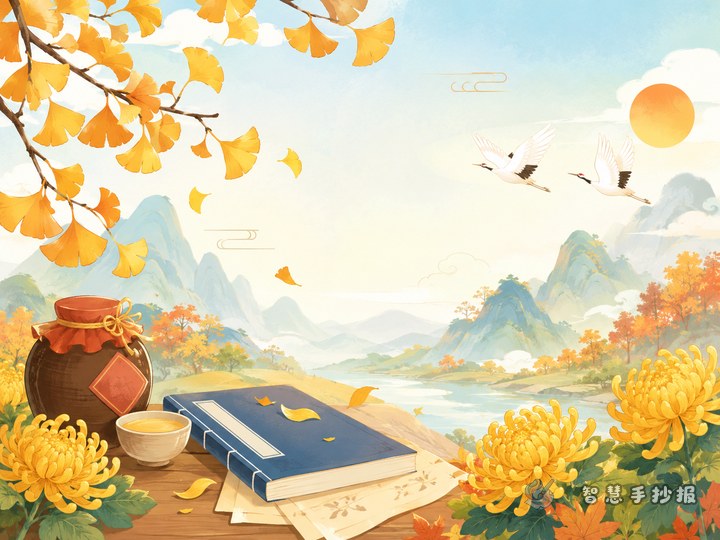
Start with a clear theme: combine poetry with the spirit of Qingming
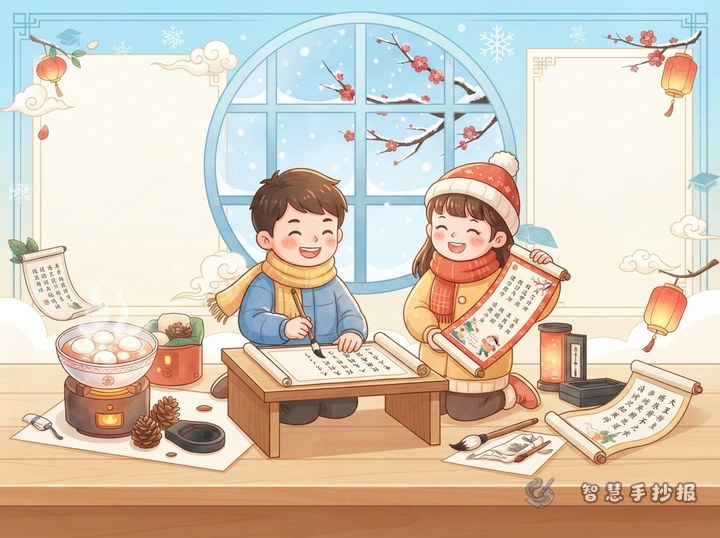
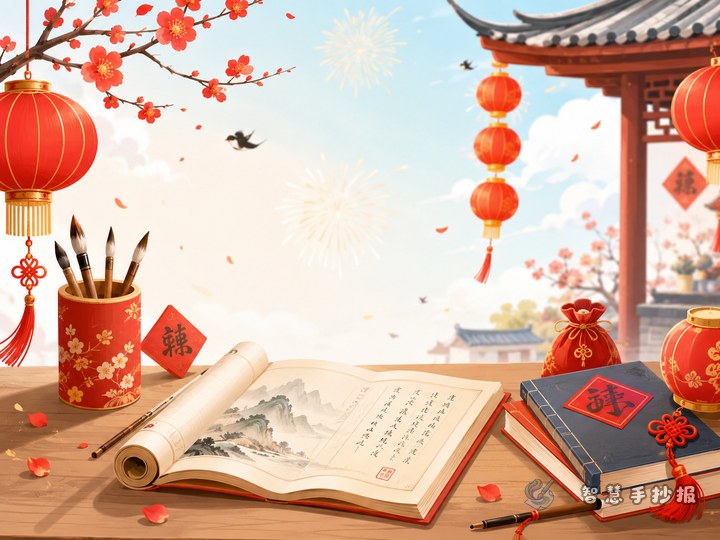
A Qingming Festival poetry handwritten newspaper works best when it brings together remembrance, spring scenery, outdoor spring outings, and traditional customs. Instead of making it only a holiday introduction, place classical poems at the center, then add short notes, festival facts, and simple personal reflections. This makes the page feel cultural, complete, and suitable for school display.
If you want a more focused topic, you can choose angles such as “Spring in Qingming Poetry,” “Qingming Customs in Classical Poems,” or “Understanding the Festival through Du Mu’s poem Qingming.”
Poems and text materials you can use directly
Classic lines for the main title area
- A drizzling rain falls like tears on the Mourning Day; the mourner’s heart is going to break on his way.
- Where can a wineshop be found to drown his sad hours? A cowherd points to a cot 'mid apricot flowers.
- When swallows return, the village rite begins; after pear blossoms fall comes Qingming.
- On Qingming the peach and plum trees seem to smile, while lonely graves in the wild bring sorrow.
Short festival text for side sections
Qingming is both one of the twenty-four solar terms and a traditional Chinese festival. Common customs include tomb sweeping, honoring ancestors, spring outings, kite flying, and willow branch decoration. In a handwritten newspaper, combining “Qingming in poetry” with “Qingming in daily life” makes the content richer and more balanced.
Simple appreciation text for students
Du Mu’s poem Qingming uses only a few lines to show rain, travelers, a cowherd, and an apricot village. It expresses both quiet sadness and the freshness of spring. If you place this poem in the center of the page and decorate it with willow branches, light rain, and distant hills, the whole design will feel gentle and poetic.
How to arrange the sections for a complete-looking page
A practical layout is “one central poem with surrounding sections.” Put the theme and main poem in the middle, then divide the page into several clear reading blocks around it.
- Center: Write the main title, such as “Spring in Qingming Poetry.”
- Top left: Add a short introduction to Qingming and its customs.
- Top right: Copy one or two Qingming-related poems.
- Bottom left: Write a short appreciation or explain words from the poem.
- Bottom right: Introduce customs such as spring outings, willow branches, and ancestor remembrance.
If your page is larger, you can also include a small “My Thoughts” section and write a few lines about what Qingming means to you.
Keep the colors simple and calm
This theme looks best with light green, pale blue, gray-green, and soft beige. Decorations can include willow branches, raindrops, green rice balls, swallows, bridges, and rolling hills. There is no need for overly crowded or bright decorations. Let the poem remain the visual focus.
Try placing decorations in the corners and around the title, leaving enough open space in the middle. That will make the page feel more elegant and more suitable for a poetry-themed handwritten newspaper.
A ready-to-use production idea
If you do not know how to begin, follow this order: first write the title “How to Layout a Qingming Poetry Handwritten Newspaper with a Classical Style,” then place Du Mu’s poem Qingming in the center, add Qingming customs and poem appreciation on both sides, and finish with a short personal reflection at the bottom. This structure is clear, complete, and ideal for class display.
If you want to improve the layout more quickly, explore title styles, or choose better section combinations, you can continue your work in the Zhihui Shouchaobao WeChat mini program.