Start with a clear idea: turn moon phases into an easy-to-read poster
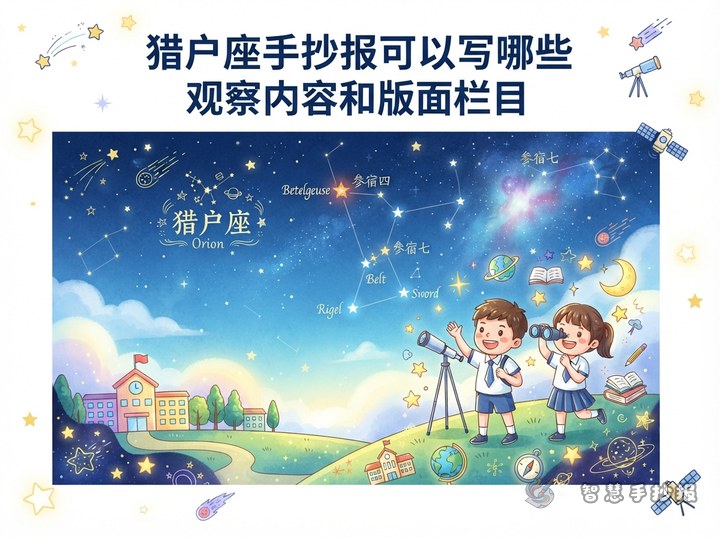
If you want a handwritten newspaper that feels scientific but is still easy for children to make, moon phases are a great topic. It is more focused than a general star theme and connects well with real-life observation. A title such as “Why does the moon change shape?” or “What to include in a moon phases poster” works well.
The whole page can follow a simple path: observation, explanation, record, and display. This helps the poster feel organized instead of crowded.
Useful facts students can write directly
What are moon phases?
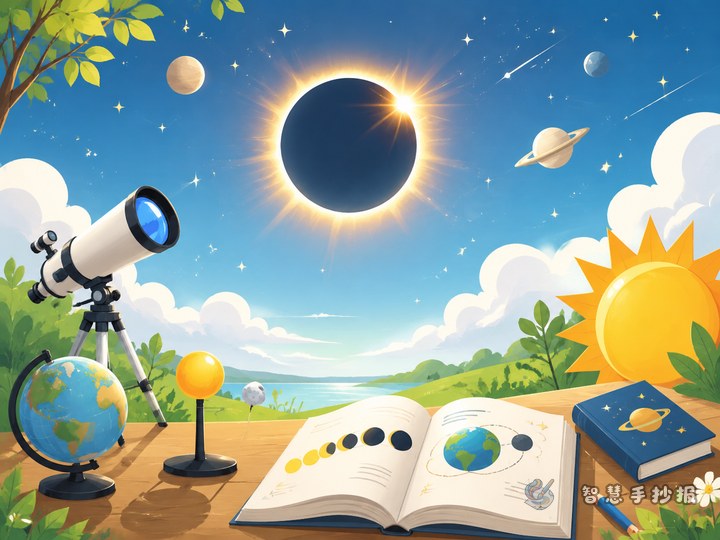
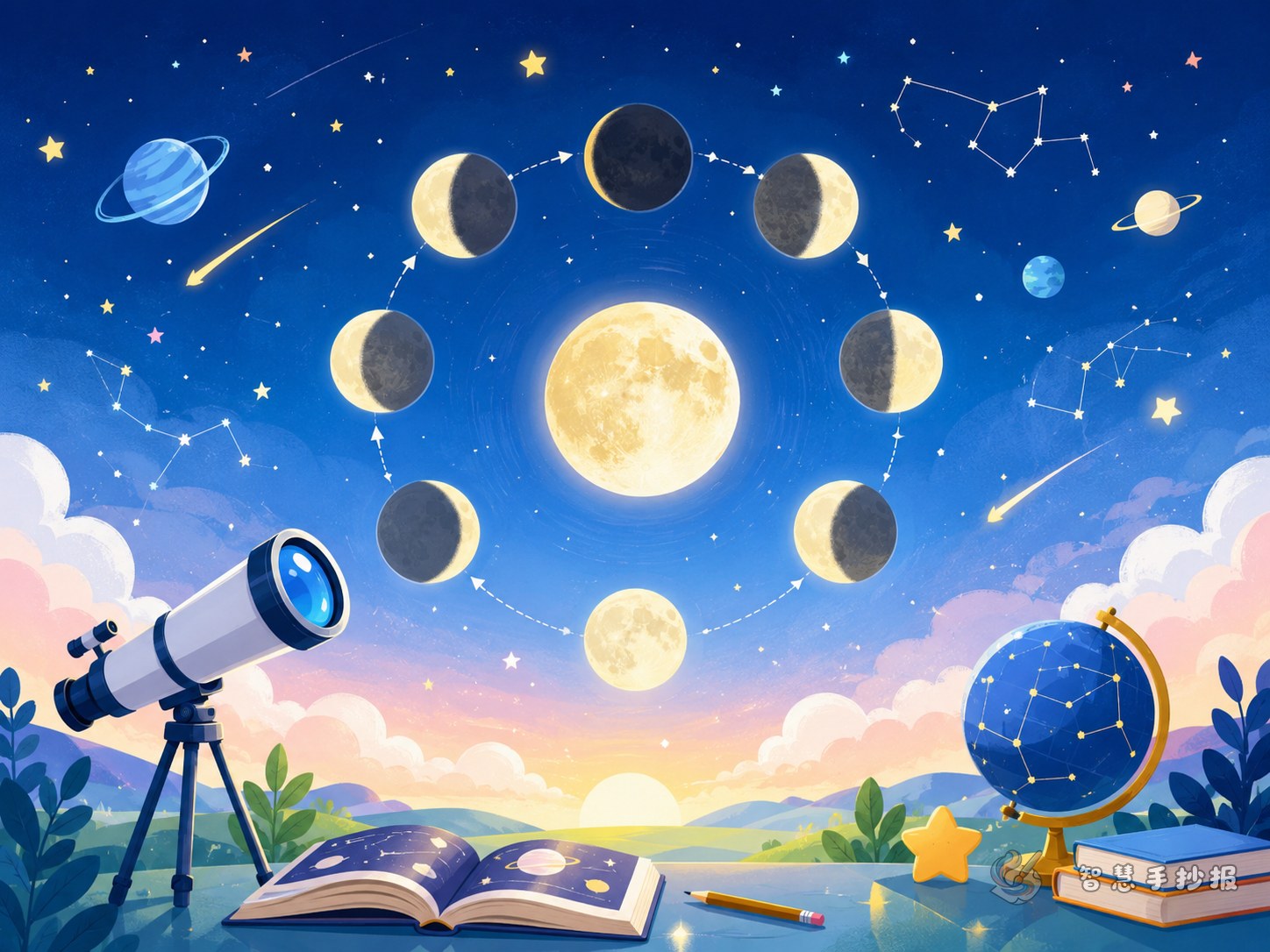
Moon phases are the changing shapes of the bright part of the moon that we see from Earth. The moon does not make its own light. It reflects sunlight. As the positions of the sun, Earth, and moon change, the lit part we can see also changes.
Common phase order
- New moon: the moon is almost invisible.
- Crescent moon: a thin curved shape appears.
- First quarter: half of the moon looks bright.
- Waxing gibbous: the moon looks more than half full.
- Full moon: the moon looks round and complete.
- Waning gibbous: the bright part begins to shrink.
- Last quarter: half of the moon is bright again.
- Waning crescent: the moon becomes a thin curve before the next new moon.
Extra facts to add
- Moon phases follow a repeating cycle of about one month.
- The lunar calendar is connected to moon changes.
- Many festivals and poems are linked with moon watching.
- The moon is not disappearing; we are just seeing different parts of its sunlit side.
Easy section ideas for the page
To keep the poster neat, divide it into four small parts.
- Moon Phase Lesson — explain what moon phases are and why they happen.
- Moon Shape Chart — draw eight small circles and label each phase.
- Observation Corner — record date, time, weather, and the moon shape you saw.
- Poems and Imagination — add a short moon poem or a few creative lines.
If there is still space, include a small box called “My Favorite Moon Phase” and write one or two sentences about it.
How to make the layout look better
This theme works especially well with circle-based design. You can draw one large moon in the center and place the different phases around it in order. Another good idea is a timeline from new moon to full moon and back again.
- Use dark blue, pale yellow, and white for a night-sky feeling.
- Curve the title slightly to match the moon theme.
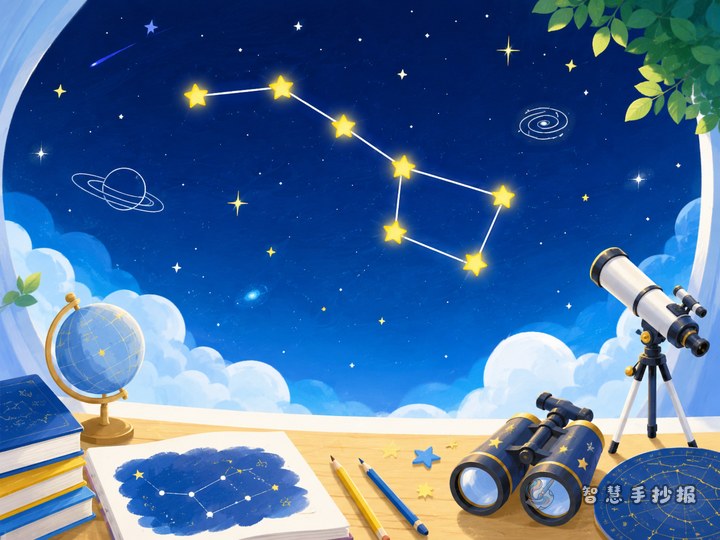
- Add stars, clouds, telescopes, or hills as small decorations.
- Keep each text block short, about two to four lines.
Do not overfill the page. A little blank space helps the whole work look cleaner and more polished.
How to include real observation
A poster feels more lively when it includes personal observation, not just copied facts. Students can write simple lines such as:
- “At dusk, I saw the moon like a small curved boat.”
- “After watching for several nights, I noticed the moon changed shape and position.”
- “The full moon looked bright and round, and it was fun to watch with my family.”
These short notes are natural, age-appropriate, and make the work feel more authentic.
Small details that improve the final result
A common problem in moon phase posters is putting the order in the wrong sequence or drawing shapes without explanation. It helps to sketch the page first, then add labels and short text. The goal is not to write a lot, but to help readers quickly understand why the moon looks different over time.
If you want to keep improving your title design, section layout, and poster structure, you can also continue creating in the Zhihui Handwritten Newspaper WeChat mini program.