Start with a clear idea: turn the Milky Way into something students can describe and draw
If you want a night-sky themed handwritten newspaper with both science and visual appeal, a great choice is observing the Milky Way on a summer night. This topic works well because it combines basic astronomy knowledge with personal observation. Instead of covering everything, focus on a few simple questions: What is the Milky Way? When is it easier to see? What should we prepare before observing? What did I notice in the sky?
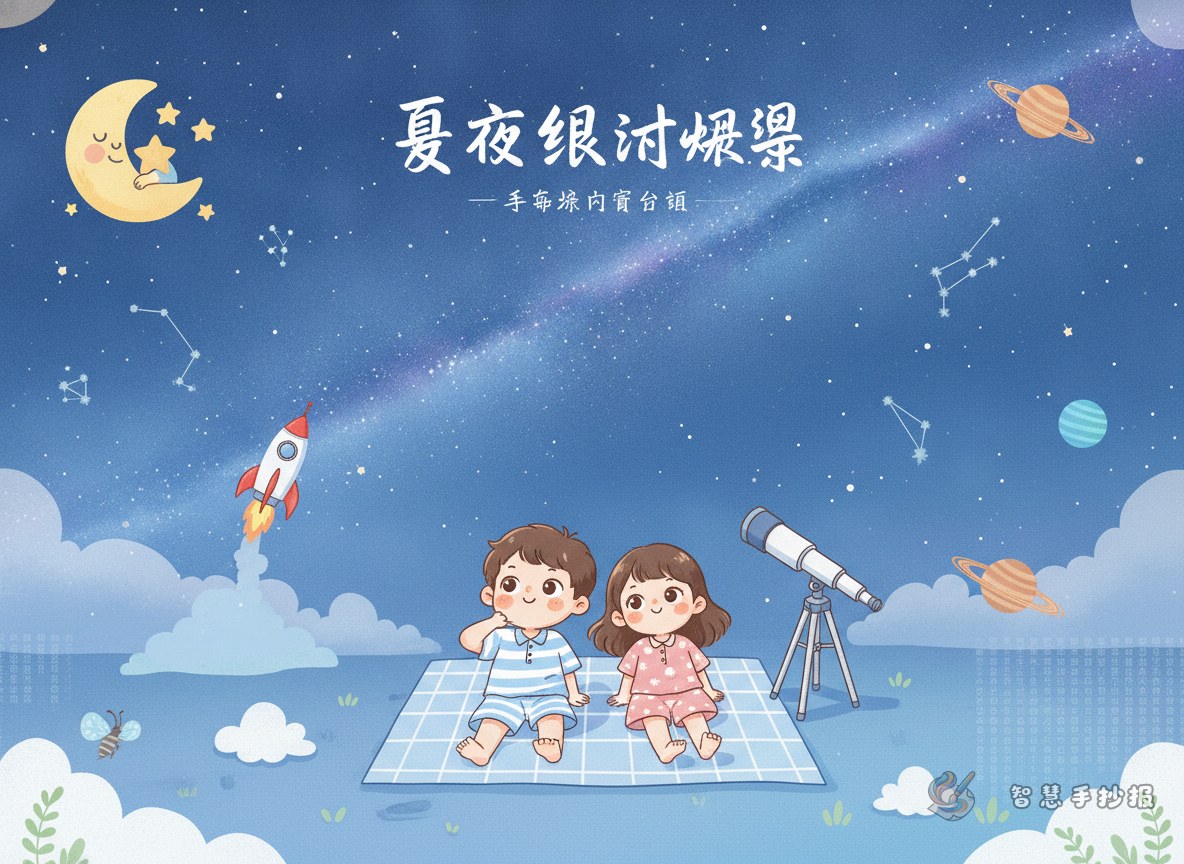
Possible titles include “How to Observe the Milky Way in Summer,” “My Summer Night Sky Notes,” or “The Milky Way Across the Night Sky.” These make the page feel practical and student-friendly.
Ready-to-use text materials for the poster
What is the Milky Way
The Milky Way is not a real shining river in the sky. It is a bright band made of countless stars and interstellar material. Because Earth is inside the Milky Way galaxy, we can sometimes see part of it as a pale glowing strip across the night sky.
When is the Milky Way easier to see
Clear nights in summer and early autumn are usually better for viewing the Milky Way. It is easier to notice in places far from city lights, where the sky is darker and cleaner. Bright moonlight can make it harder to see, so a darker night often gives a better result.
What should we remember while observing
- Choose a safe and open place to watch the sky.
- Stay away from strong lights and give your eyes time to adjust to the dark.
- Bring a notebook to record what you see.
- Keep the area quiet and avoid shining bright lights at others.
How to organize the sections on the page
This topic works best as a mix of science facts and observation notes. You can divide the page into four simple parts so the layout stays neat and readable.
- Main title area: Put the title in the center top and draw a curved band of stars around it.
- Milky Way facts: Explain what the Milky Way is and why it is easier to spot in summer.
- Observation journal: Write the date, place, weather, and what you noticed in the sky.
- Skywatching tips: Add short reminders for safe and polite observing.
If you still have space, you can add a small question-and-answer corner to make the page more interesting.
A simple observation note students can use
One quiet evening, my family and I went to an open place to look at the stars. At first, I only saw many bright dots in the sky. After waiting for a while, my eyes got used to the darkness, and I noticed a faint bright band stretching across the sky. It looked soft and mysterious. I learned that this was the Milky Way. It was not as bright as in pictures, but it made the sky feel huge and amazing. This experience taught me that stargazing takes patience and careful observation.
Students can use this as a model and then change it into their own real experience.
Color and decoration ideas for a starry look
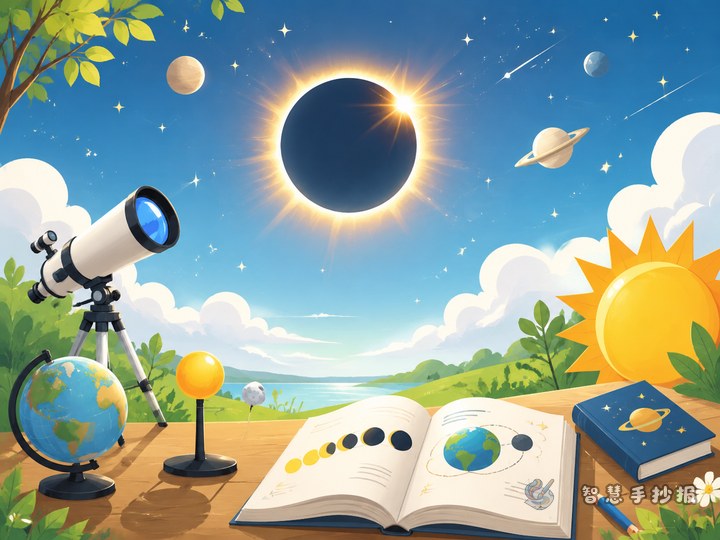
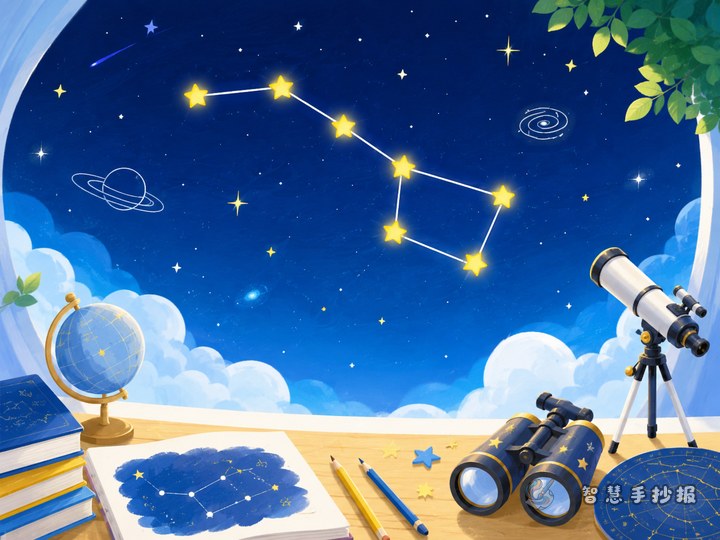
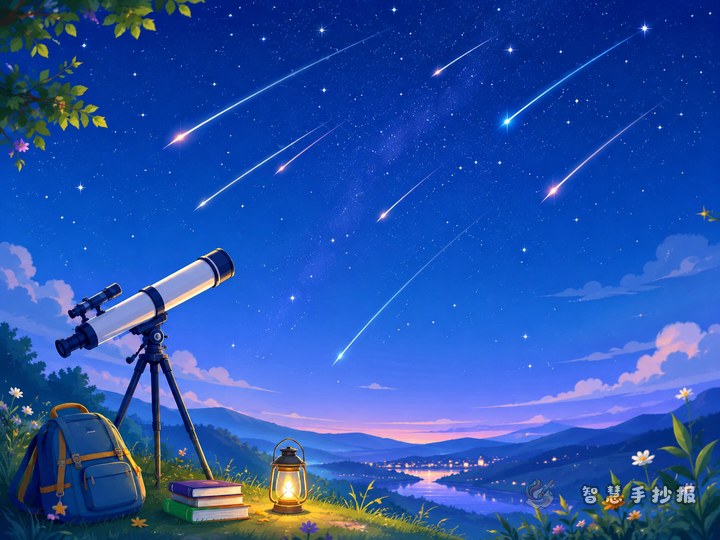
Dark blue, purple-blue, and black are good main colors. White and pale yellow can be used for stars and highlights. The title can be drawn larger to create a glowing night-sky feeling. Decorations do not need to be complicated. Simple stars, a telescope, hills, and a curved Milky Way band are enough.
- Place the title near the top center for a balanced design.
- Write the body text in separate blocks so the page does not look crowded.
- Use matching illustrations such as stars, the Milky Way, the moon, and a telescope.
- Add small star symbols beside subheadings for a lively effect.
If you want to improve the layout further or try more title and section ideas, you can continue designing in the Zhihui Shouchaobao WeChat mini program.
Extra ideas to make the poster stronger
To enrich the page, you can also add short notes such as “Why the Milky Way is harder to see in cities,” “Why dark skies matter,” or “What I want to observe next in the summer sky.” These small additions can make the handwritten newspaper more layered and complete without making it too difficult.