Start with one story instead of many facts
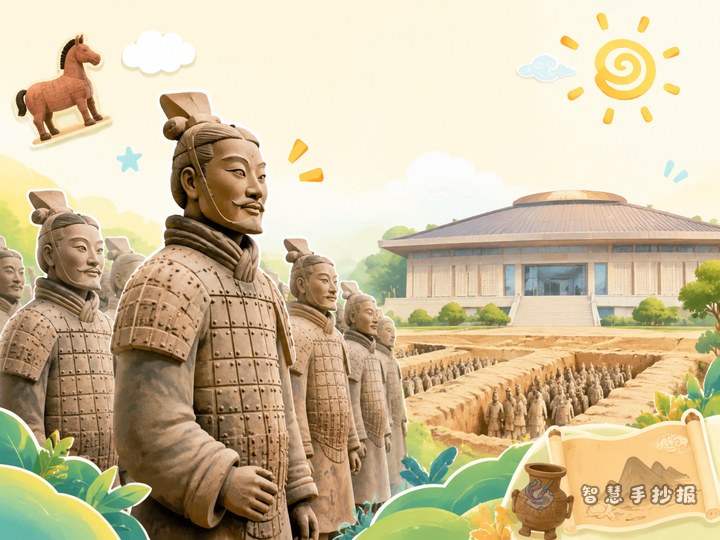
After a museum visit, students often try to include everything they saw. That usually makes the handwritten newspaper feel scattered. A better approach is to choose one historical story line. Good angles include daily life in ancient times, the life story of one artifact, a dynasty seen through museum objects, or the link between an artifact and a famous historical figure.
If a child has just visited a museum, ask which exhibit was the most memorable. That first reaction is often the best topic for the page.
Four types of content that work well
Visit impressions
Begin with a short paragraph about what stood out during the visit. This gives the handwritten newspaper a personal and authentic opening.
Basic artifact information
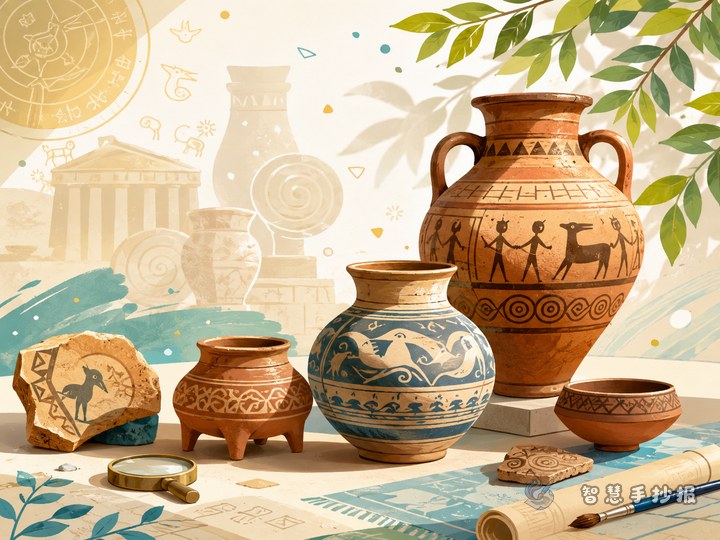
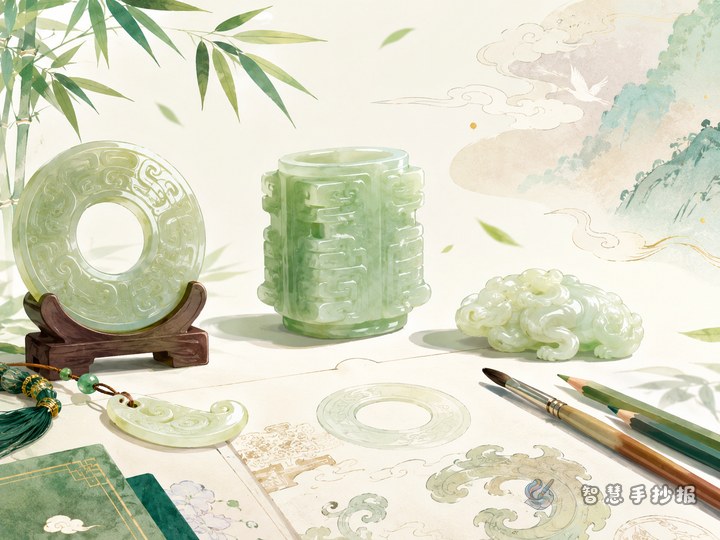
Use short sentences to introduce the artifact name, time period, material, and purpose. Keep this section simple so readers can quickly understand what the object is.
The historical story behind it
This is the core of the page. Explain what time it belonged to, what it tells us about people in that period, and how it reflects technology, culture, or daily life.
What I learned
Add a closing section about your own discoveries. You might write that artifacts help us understand history more clearly or that protecting cultural relics means protecting cultural memory.
Use only a few clear sections
For elementary students, three to five sections are usually enough. You can try structures like these:
- Option 1: Visit impression + Artifact profile + Historical story + What I learned
- Option 2: Topic introduction + Timeline + Featured artifact + Protect cultural relics
- Option 3: Into the museum + Ancient life scenes + My recommended exhibit + Quick facts corner
Do not fill every space with text. Leave room for borders, headings, and small drawings.
Create a page that feels like a museum guide
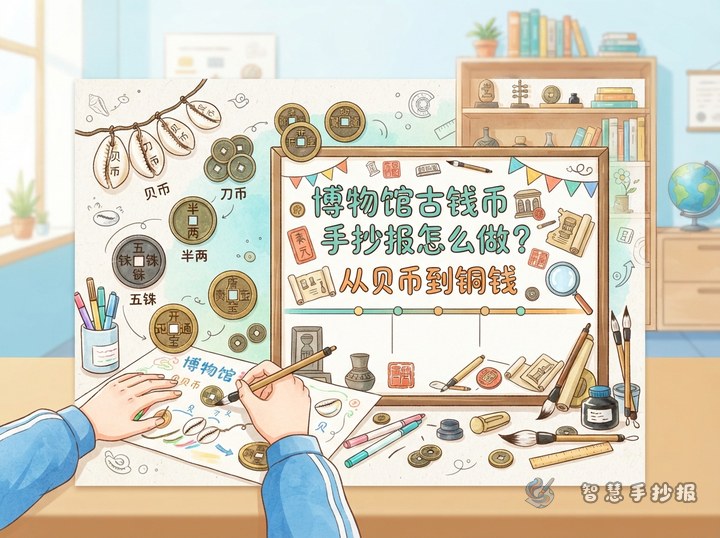
This theme works especially well with a layout that looks like an exhibition route. Put the main title at the top center and arrange sections so the reader moves naturally across the page like walking through a gallery.
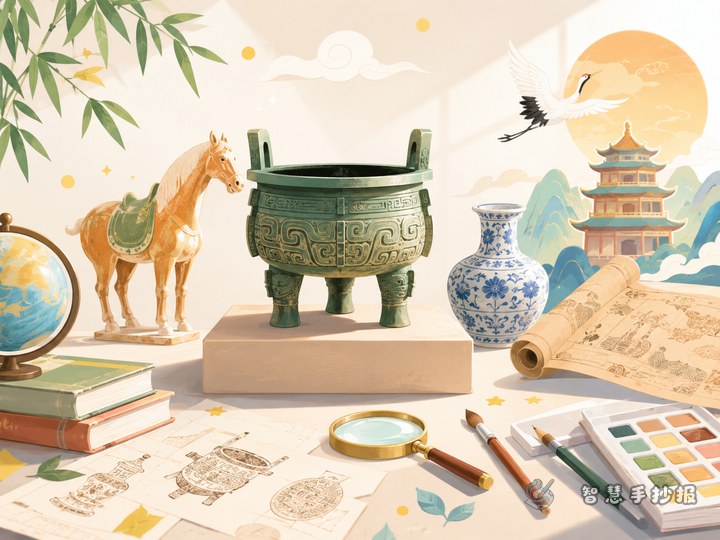
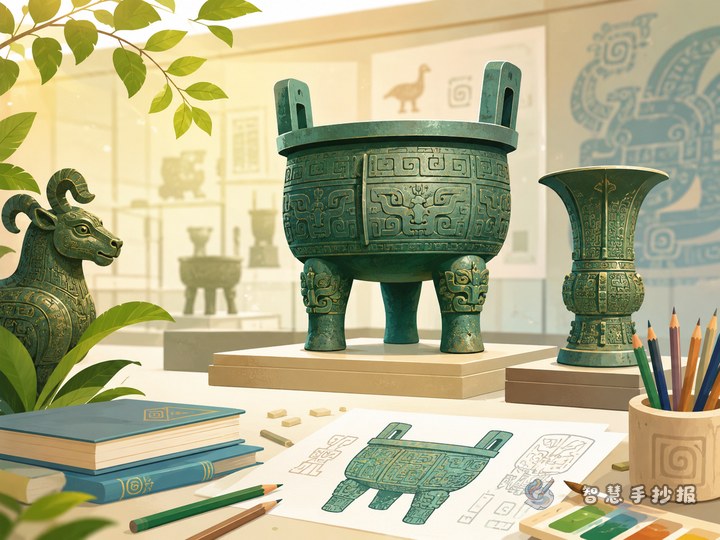
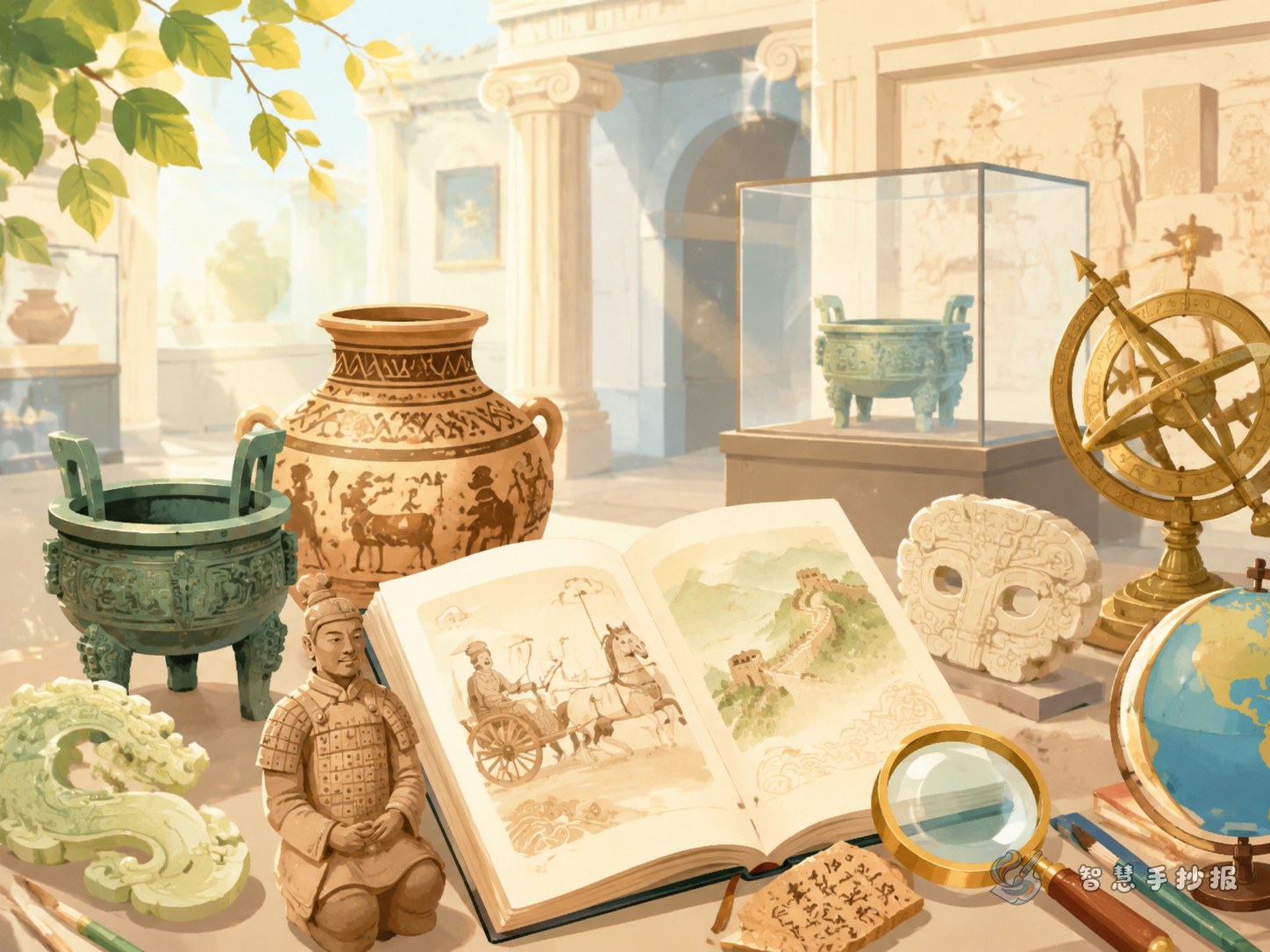
Choose calm colors with a historical feeling, such as beige, brown, dark green, brick red, or deep blue. Try to limit the palette to three or four colors. Decorative elements can include museum outlines, display cases, pottery shapes, seal patterns, bronze motifs, or old map frames.
Useful sentence ideas for writing
- In the museum, I saw an artifact that made history feel close to me.
- Artifacts are not only objects on display, but also clues left by the past.
- From the shape, pattern, and use of one object, we can learn about ancient wisdom and beauty.
- Walking into a museum is like opening a three-dimensional history book.
- Protecting cultural relics means preserving the memory of civilization.
These lines can be used for introductions, section notes, or conclusions.
Check these details before finishing
- Make sure the title clearly shows the historical story you want to tell.
- Highlight the most important content with strong headings or framed sections.
- Keep decorations relevant to museums and historical artifacts instead of using too many unrelated cartoon elements.
If your topic is ready but you still want a cleaner layout, better color matching, or a more polished page, you can continue designing it in the Smart Handwritten Newspaper WeChat mini program.