Turn the Topic into the Journey of One Water Drop
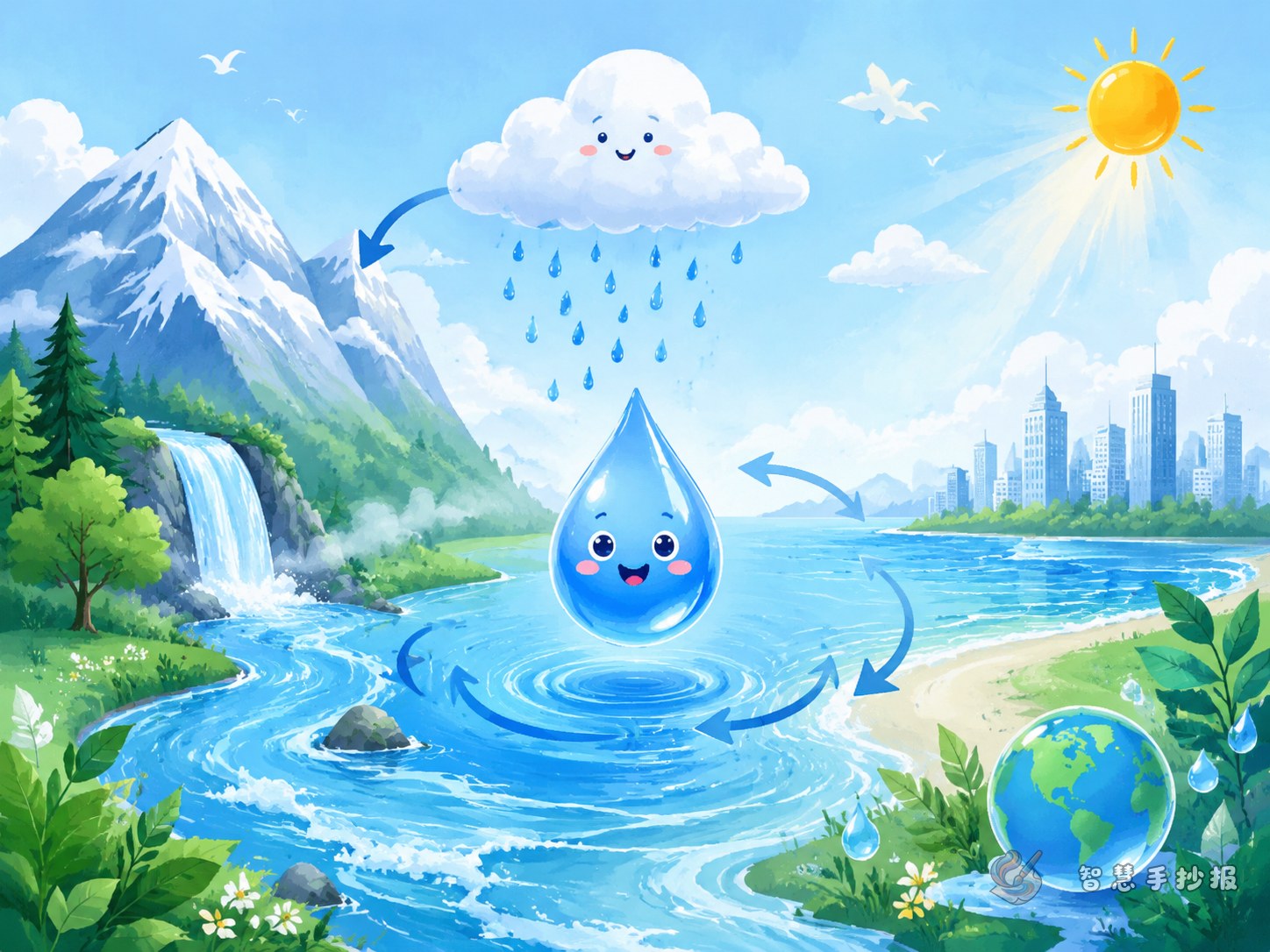
This hand-copied poster can tell a small story instead of listing facts only. Let one water drop travel from clouds to mountains, streams, rivers, and finally the sea. At each stop, add a short protection tip so the poster explains both the water cycle and river care.
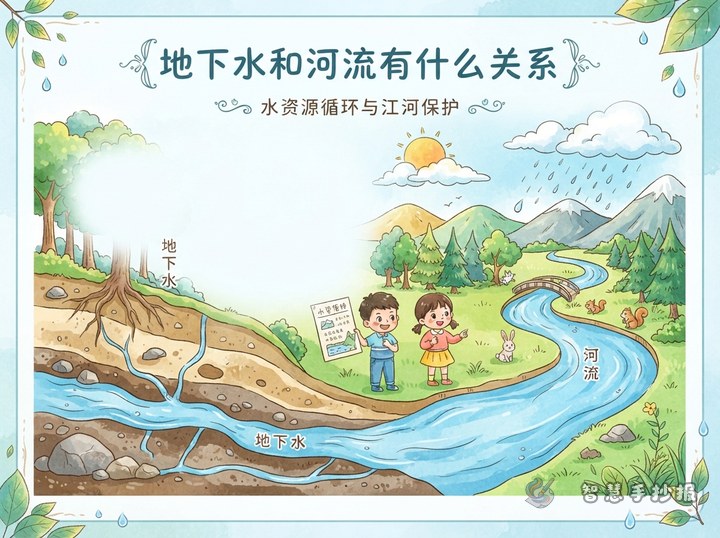
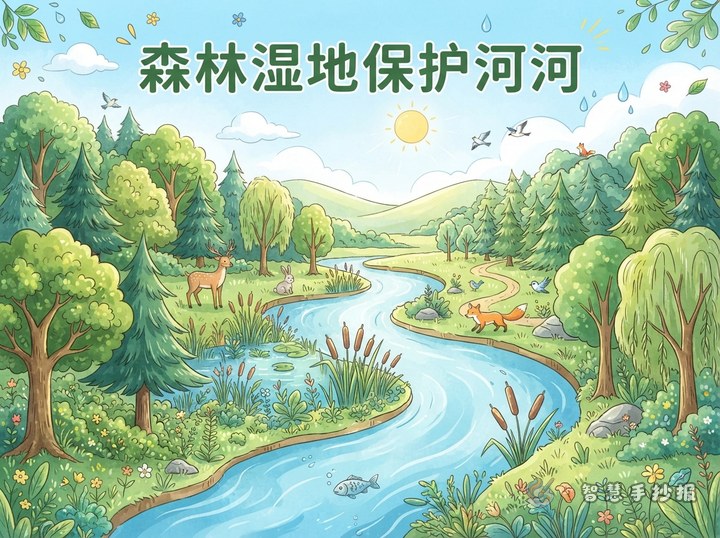
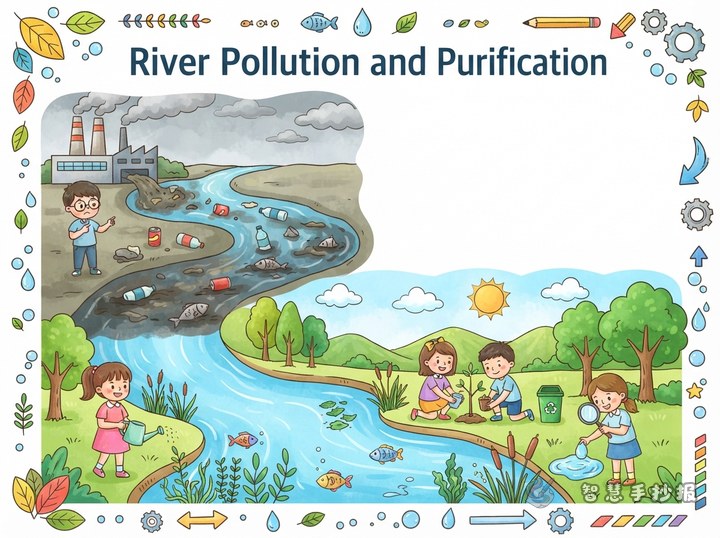
Good title ideas include The River Journey of a Water Drop, Following a Drop to the River, or Keep Every River Flowing Clean. For the main picture, draw a winding river with trees, wetlands, fish, bridges, and daily life along the banks.
Knowledge Cards to Add
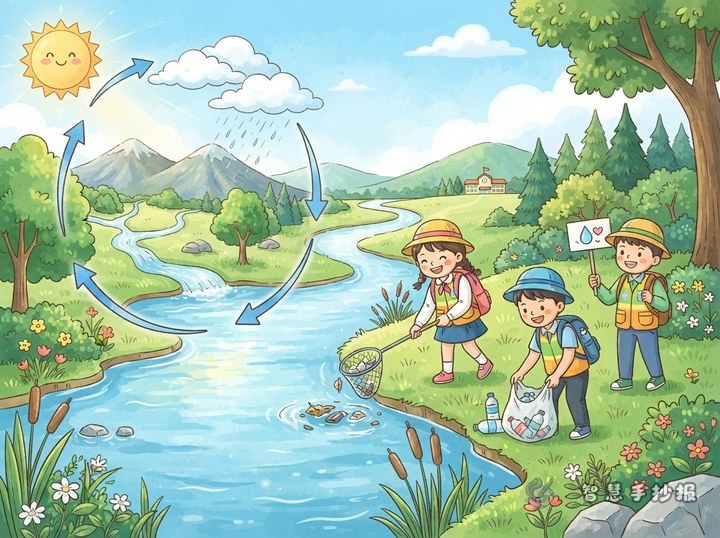
- Where water comes from: The sun heats water, water vapor rises, clouds form, and rain or snow returns water to the ground.
- Why rivers matter: Rivers support plants and animals and are connected with drinking water, farming, transport, and beautiful city scenery.
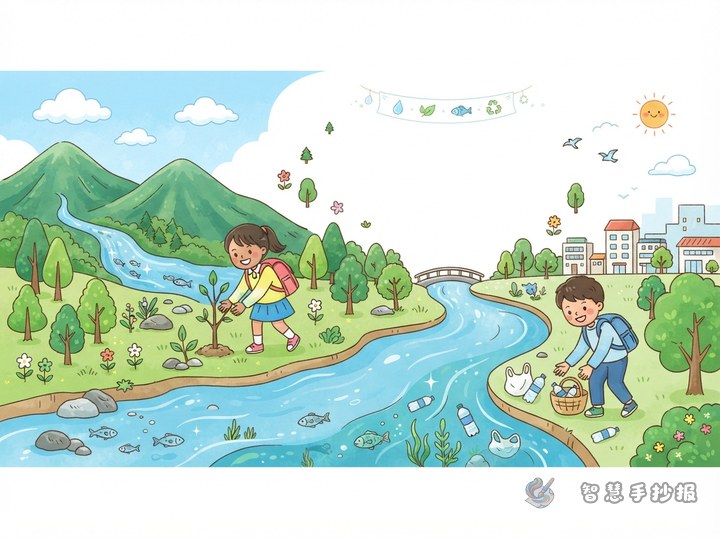
- Why rivers need protection: Litter, dirty water, and damaged riverside plants can harm water quality and wildlife.
- What we can do: Use fewer disposable items, never throw rubbish into rivers, join clean-up activities, and save every cup of water.
Short Texts You Can Copy
Opening Note
A drop of water starts from the sky, falls into forests, joins streams, and finally reaches rivers and the sea. The water cycle keeps nature moving, and clean rivers need our care.
River Protection Promise
Protecting rivers begins with small actions: do not litter, do not waste clean water, care for riverside plants, and remind family members to enjoy rivers in a civilized way.
Ending Slogan
Let every water drop return to a clean journey, let fish have a clear home, and let every river become part of a greener life.
A Clear Layout Plan
- Top area: Place the big title with clouds, the sun, and raindrops to show the water cycle.
- Center: Draw an S-shaped river to divide the page into two natural banks.
- Left side: Add a water-drop route map with arrows for evaporation, rainfall, river flow, and the sea.
- Right side: Add a river protection checklist and short river facts with small icons.
- Bottom: Write a slogan such as “Protect one river, keep one world alive.”
Colors and Decoration Tips
Use blue, green, and light yellow as the main colors. Blue shows flowing water, green shows riverside life, and light yellow makes the page bright. Borders can be decorated with waves, leaves, raindrops, or small fish. Keep enough blank space so the title and drawings stand out.
If you want more layout ideas, you can open the Zhihui Handwritten Poster WeChat mini program to continue choosing themes, arranging sections, and adding grade-appropriate text.