Build the page around one clear story
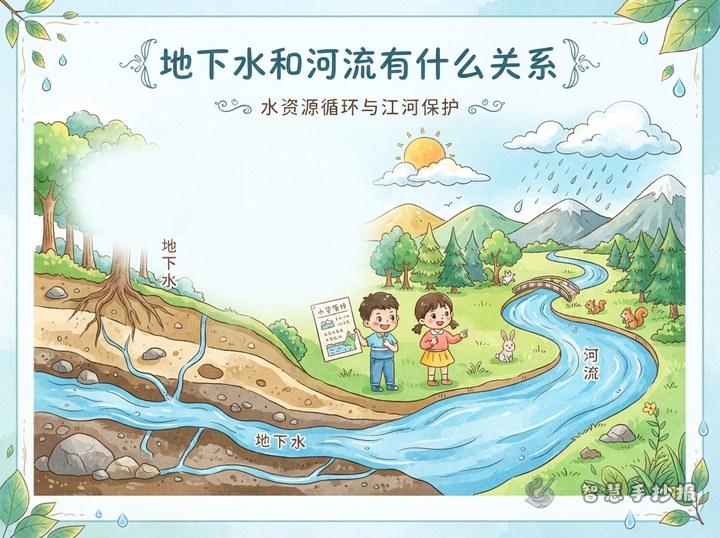
This topic works best when the page tells a simple story instead of listing too many facts. Start with why clean river water becomes polluted, then explain what problems pollution causes, move on to how water can be cleaned and restored, and end with what we can do to protect rivers. This makes the whole page easy to follow.
Content blocks you can use directly
Section 1: Where river pollution comes from
- Household wastewater can make river water dirty.
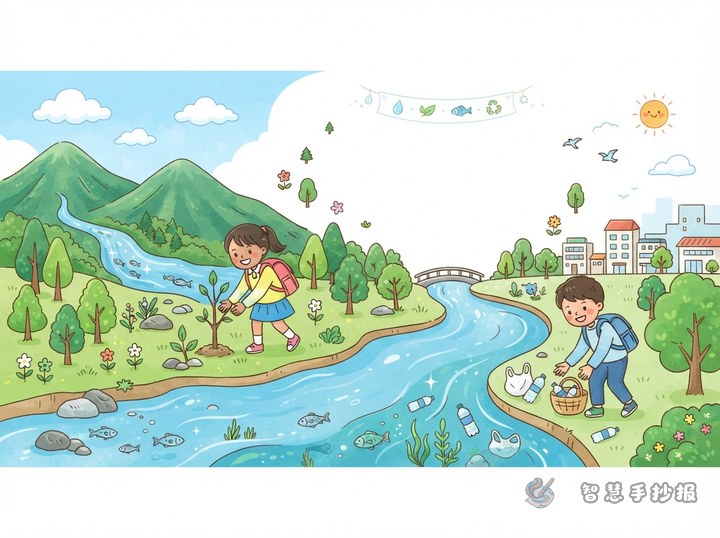
- Littering can block waterways and damage the environment.
- Untreated industrial wastewater can harm water quality.
- Fertilizers and pesticides may flow into rivers from farmland.
Section 2: What happens after rivers are polluted
- Fish, shrimp, and water plants may not grow well.
- The river may become dark, smelly, and unpleasant.
- Clean and safe water resources become more limited.
- Polluted water can also affect people's daily lives.
Section 3: How water becomes cleaner
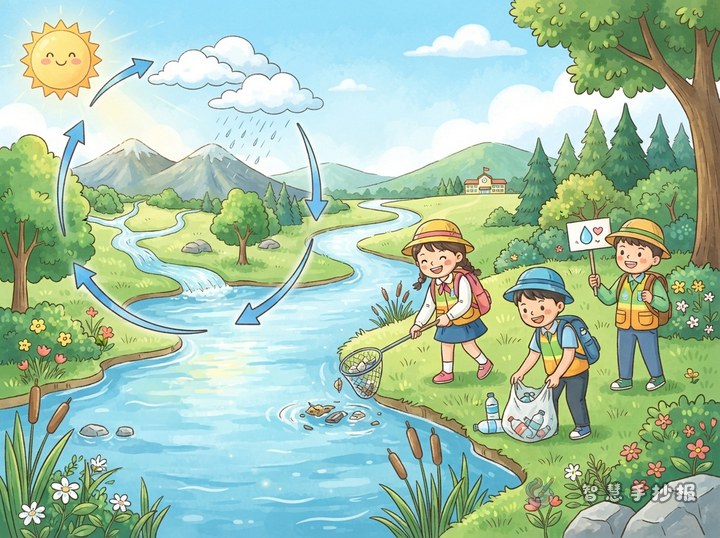
- Remove floating trash and large waste first.
- Let heavier dirt settle to the bottom.
- Filter the water to remove smaller particles.
- Use treatment methods to reduce harmful substances.
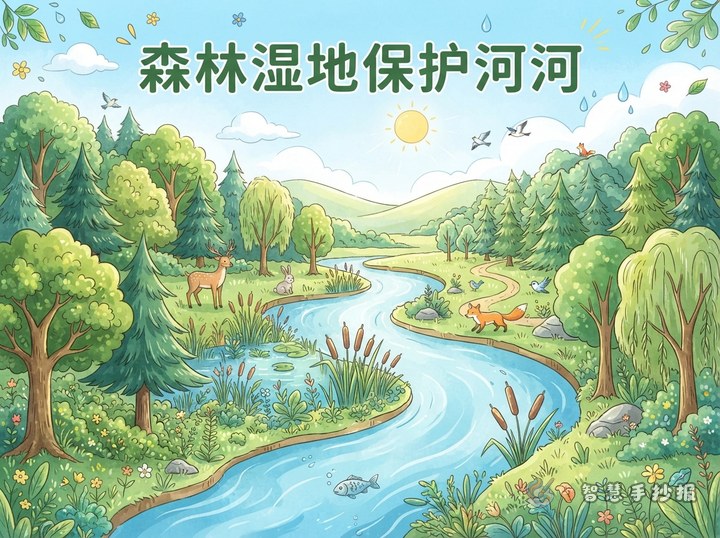
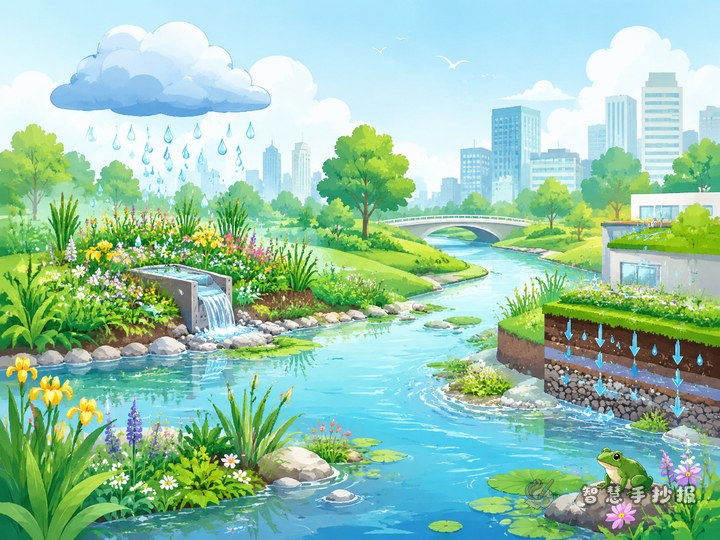
- Restore riverbanks and plants to improve the ecosystem.
A layout idea that reads smoothly
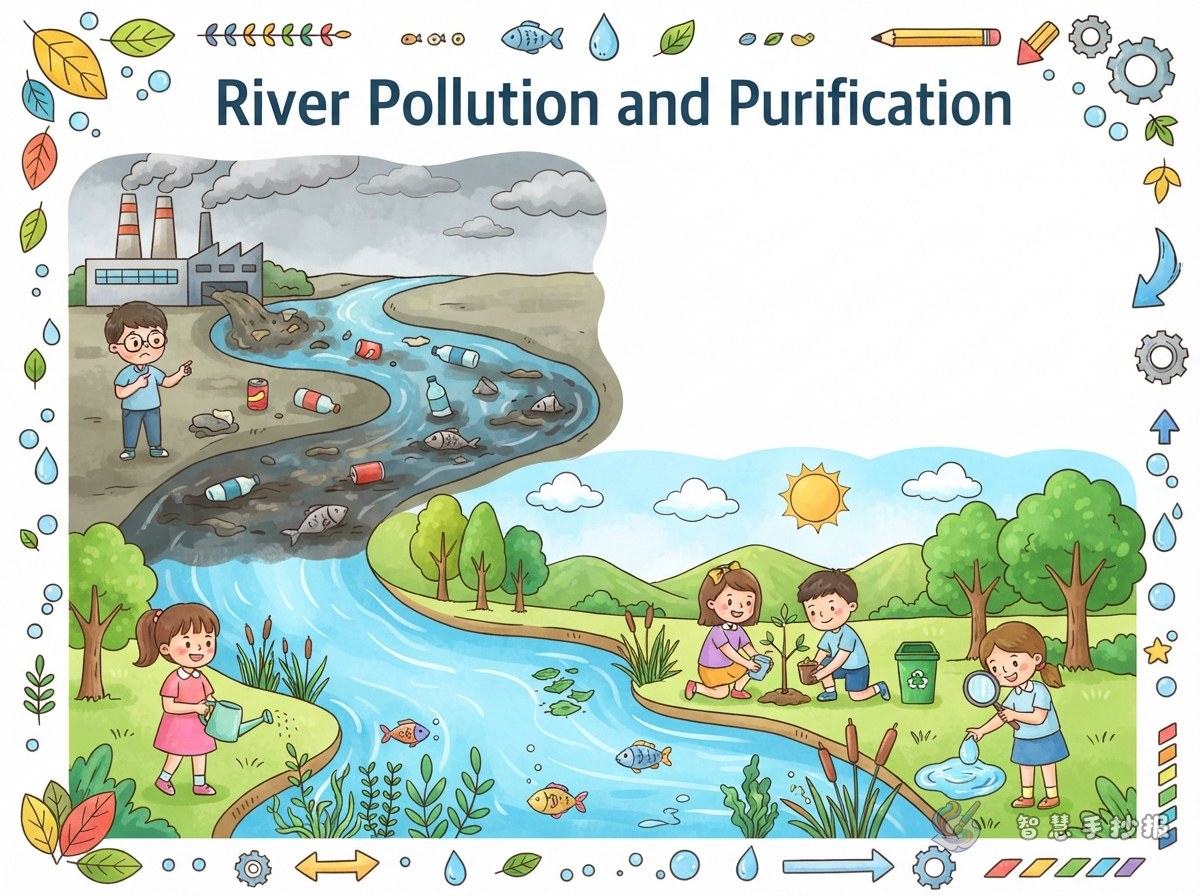
You can divide the page into two main areas. Put “pollution causes” and “harmful effects” on the left, and “purification steps” and “protection actions” on the right. Another good idea is to draw a river through the center of the page, showing pollution upstream, purification in the middle, and a cleaner river downstream.
Blue, green, and light gray work well as main colors. You can use darker colors in the pollution section and brighter colors in the restoration section to create contrast.
Short lines to copy into the paper
- Protecting a river means protecting our home.
- Keep trash out of rivers and keep clean water nearby.
- Rivers need clean water and care.
- Saving water also helps reduce pressure on rivers.
- Protect water resources and let clear streams remain.
End with actions students can really do
The last section should focus on action. Students can write simple promises such as not throwing trash near rivers, saving water every day, caring for drains and public spaces, and encouraging others to protect local waterways. This gives the handwritten paper both knowledge value and practical meaning.
If the topic is ready but the page still needs better layout and decoration, it can be continued and refined in the Zhihui Handwritten Paper WeChat mini program.