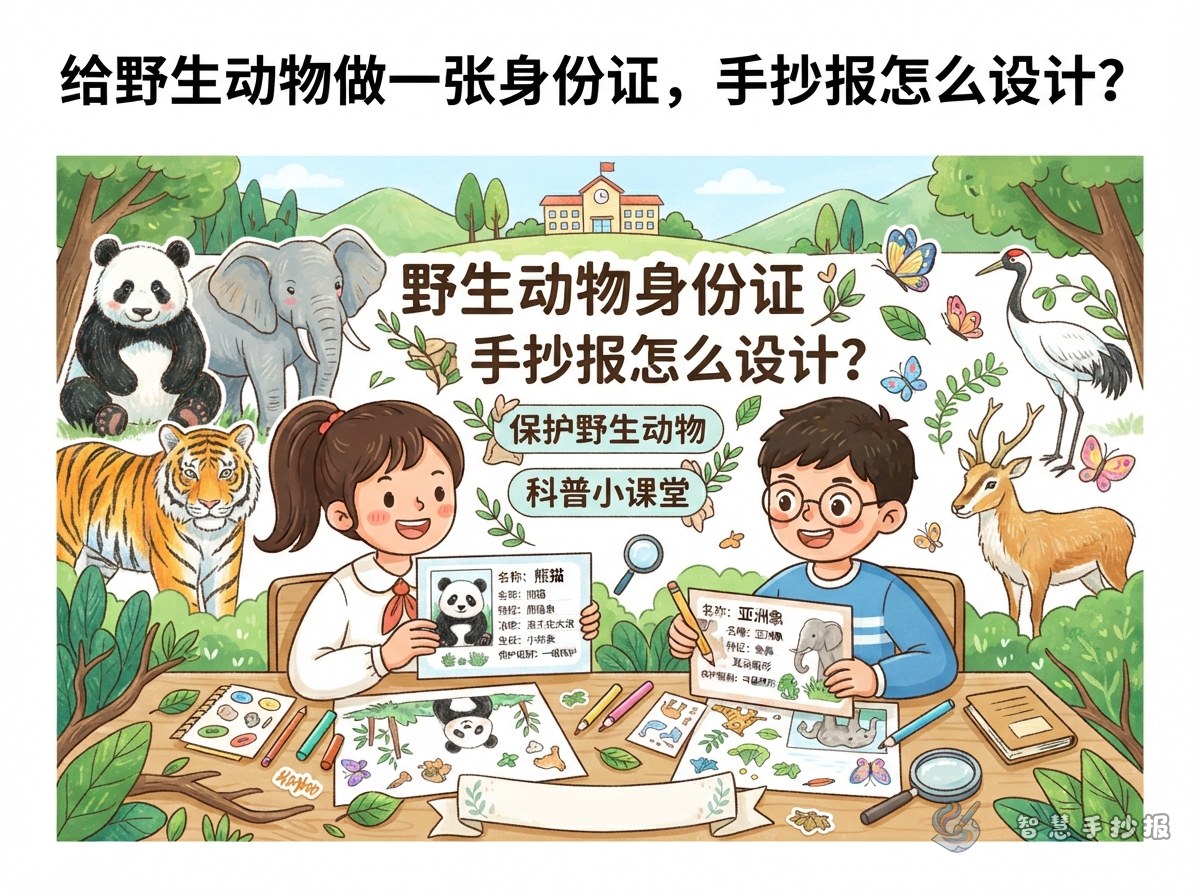
Make the Main Idea a “Wildlife ID Card”
Design the page around the idea “Know one animal, protect one home.” Turn a wild animal into the main character of an identity card. Choose a giant panda, golden snub-nosed monkey, Amur tiger, crested ibis, or pangolin, then place sections about its habitat, food, daily life, and protection actions around the card.
What to Put on the Animal ID Card
The card does not need complicated scientific data. Short, clear facts work best for children. Include the animal’s name, home, favorite food, appearance, and special abilities. For example: “Name: Golden snub-nosed monkey; Home: Mountain forests; Features: Golden fur and quick movements; Food: Young leaves and fruit; Wish: A safe forest home.” Keep the information accurate and easy to understand.
Add a First-Person Introduction
Let the animal speak in its own voice: “I live in a quiet forest. The forest gives me food and shelter. Please do not capture me or damage my home. Protecting trees and reducing litter helps me keep living here.” This adds a warm, playful touch while reinforcing the science message.
Draw a Habitat Map with a Story
Next to the ID card, draw a small habitat map with trees, rivers, hills, and caves. Add a “My Day” section below it, describing what the animal does in the morning, daytime, and evening, such as resting, finding food, moving around, or caring for its young. This helps readers understand that wild animals are not decorations or pets; they depend on a complete natural environment.
Turn Protection into Clear Actions
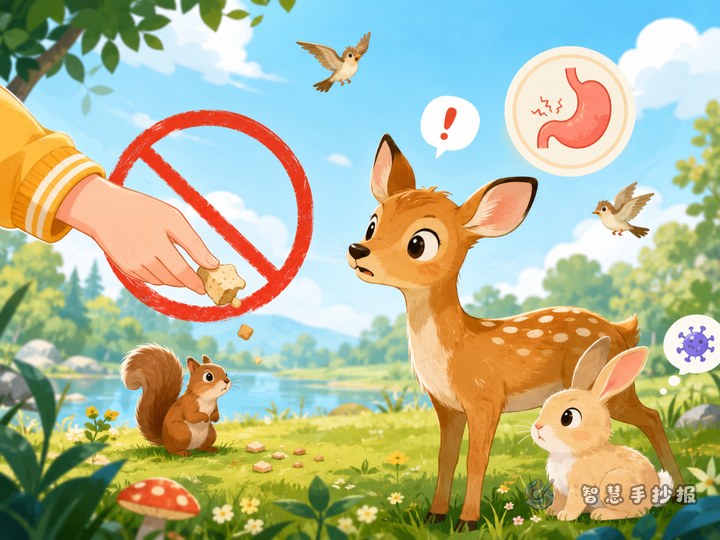
- When you see wildlife: Keep your distance, observe quietly, and never chase or surround the animal.
- When visiting nature: Take your litter away, leave plants alone, and never damage nests or caves.
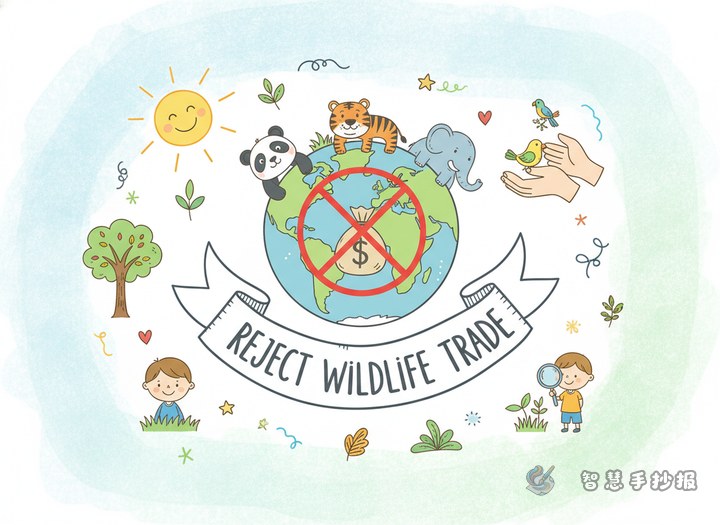
- In everyday life: Refuse wildlife products and learn to identify reliable environmental information.
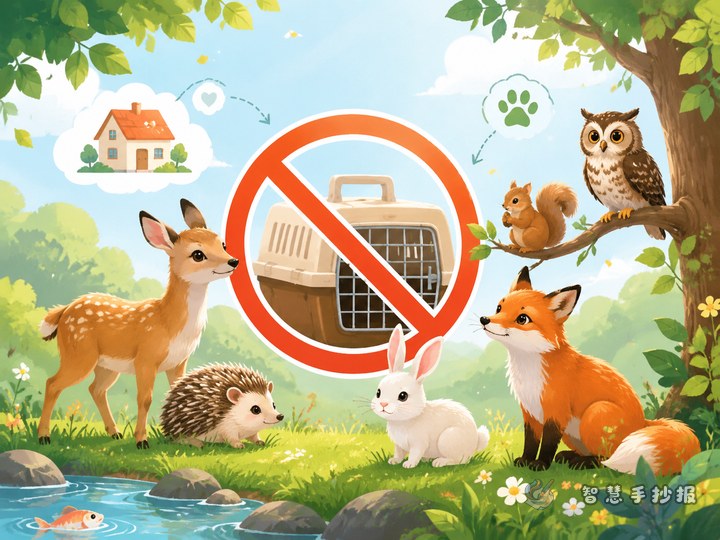
- When an animal is in trouble: Do not catch it or take it home. Ask an adult or teacher to contact the appropriate local rescue or wildlife management service.
End with a strong message such as: “Leave forests for animals, and leave nature for the future.”
Plan the Layout and Colors
Use a central ID card with information sections around it. Put the title at the top, the animal portrait and card in the middle, the habitat map on the left, protection actions on the right, and a short appeal at the bottom. Forest green, sky blue, and warm yellow create a bright natural palette. Connect sections with branches, footprints, or leaf-shaped lines.
Three Final Checks
- Make sure the animal’s name, habitat, and food information agree with one another.
- Give every section a clear heading and avoid squeezing long paragraphs into small spaces.
- Check that all drawings, words, and suggestions support the theme of wildlife protection.
To make the layout process easier, use the Weizhi Handwritten Newspaper mini program to choose a suitable canvas, place the sections first, and then add text and decorations. This makes the “Wildlife ID Card” theme clear and attractive.