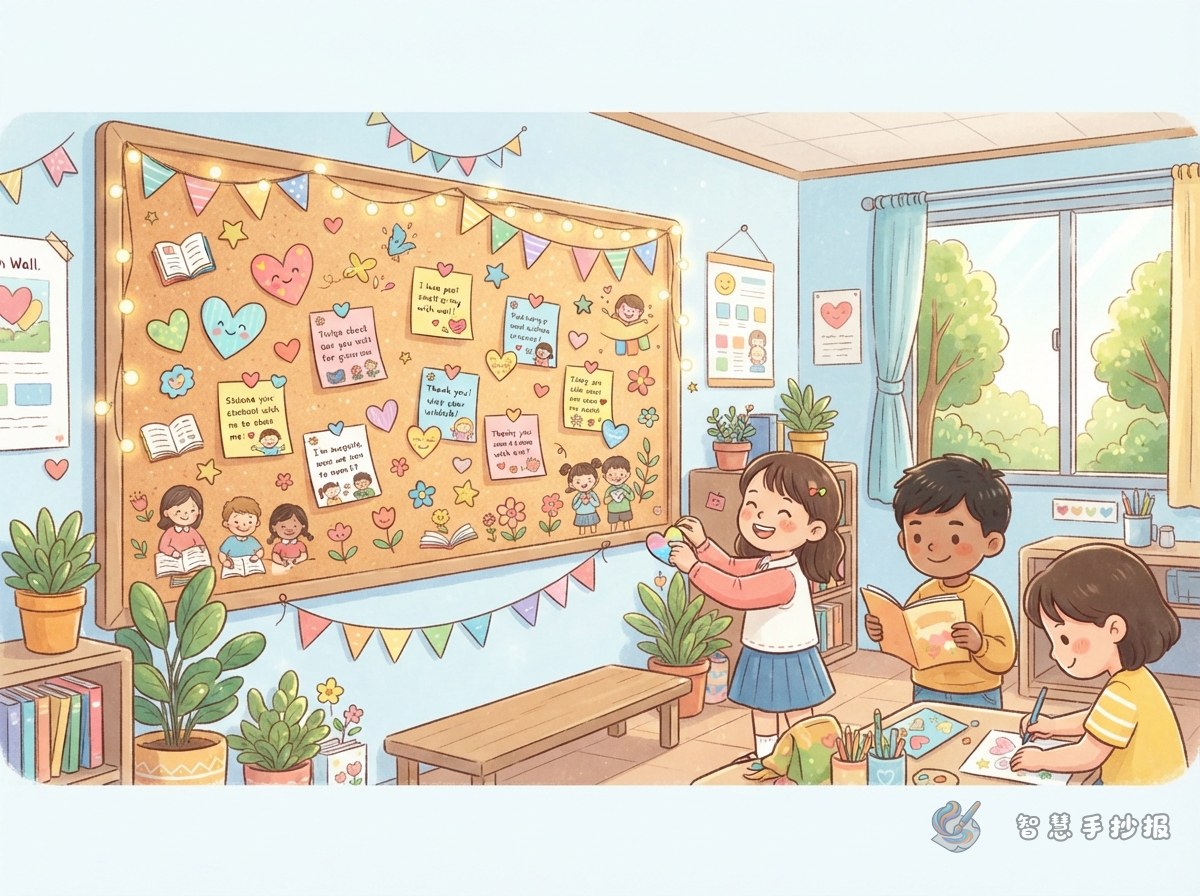
Why a Wish Wall Is Not an Honor Wall
An honor wall celebrates things the class has already done. A wish wall is about things the class wants to do. That difference sets the tone of the whole page: an honor wall looks neat and proud, while a wish wall feels warm, lively and a little hopeful.
Before drawing, answer three questions on scrap paper: who is writing the wishes (the whole class, a small group, or just you), who will read the newspaper, and what feeling it should carry. Different answers lead to completely different layouts.
It also helps to fix one main heading first, for example: One wall, holding every goal in our class. That heading becomes the heart of the page.
Dividing the Page into Three Zones
A wish wall should not be a random pile of notes. Divide the space first so the layout stays readable.
The central wall
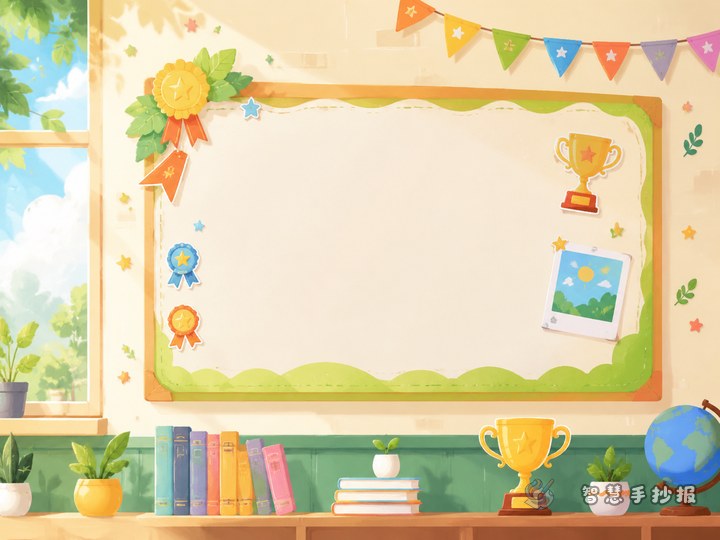
- Give the largest area to the wall itself. It can be a brick wall or a cork board, outlined with thin pencil lines for texture.
- Fill it with colorful sticky notes placed at slight angles, one short wish per note, written large enough to read from a distance.
The side sections
- My wish: one personal goal in two or three sentences, not a full essay.
- Our class wish: a shared target, such as quieter lessons or keeping the classroom tidy for a whole month.
- Wishes we made come true: a short list of goals already reached, marked with ticks or small stars.
Three sections are plenty. More than that splits attention. Make each section heading one size larger than the body text, and give each heading a colored paper strip behind it.
Short Lines You Can Copy or Rewrite
Wish wall writing works best when it is short, honest and easy to read. Long paragraphs kill the mood.
Personal wishes
- I want to stop losing marks through carelessness.
- I want to hand in my homework on time without being reminded.
- I want to raise my hand in class even if my answer is wrong.
- I want to stop falling behind during running practice.
Class wishes
- We want quieter lessons so our teacher does not have to shout.
- We want our class to win the tidy classroom flag again.
- We want nobody in our class to be left behind.
- We want every class activity to feel united and organized.
Headings and closing lines
- What we write here is a wish. What we do here is growth.
- A wish does not have to be big. One step forward is enough.
- On this wall, every name in our class has a place.
Drawing Sticky Notes: Color and Spacing Tips
- Choose a bright, warm base color. Pale yellow, orange or light blue for the background, with white and light green notes on top.
- Give the notes direction. Draw them as small squares, but tilt each one slightly and glue only two corners, so they look genuinely stuck to the wall.
- Keep the spacing generous. A note is small, so never write more than six or seven words on one. Use another note instead of squeezing.
- Simplify the frame. A thin line around the whole page is enough; the brick or wood texture inside is the real focus.
- Let the blank space breathe. Leave a finger-width margin around the wall so the notes do not look crowded.
Getting the Whole Class Involved
- Collect wishes in class first, one line from each student, then choose about ten to copy onto the newspaper.
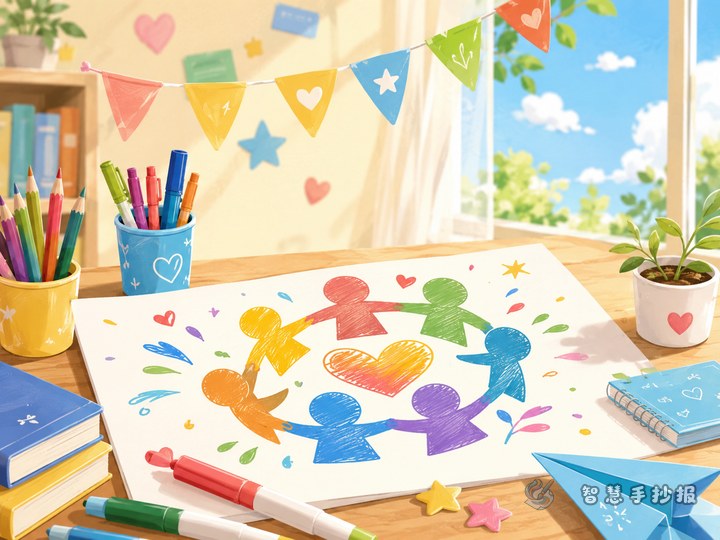
- Reserve a corner for signatures or handprints so everyone who joined leaves a mark.
- Make the wishes-come-true section reusable, then add a few more entries a month later so the newspaper grows with the class.
If time is short or the layout feels hard to plan, open the WeChat mini program 智慧手抄报, pick a wish wall or class culture template, swap in your own words and colors, then redraw the layout by hand from that guide.