Start with the main idea: protection does not mean taking it home
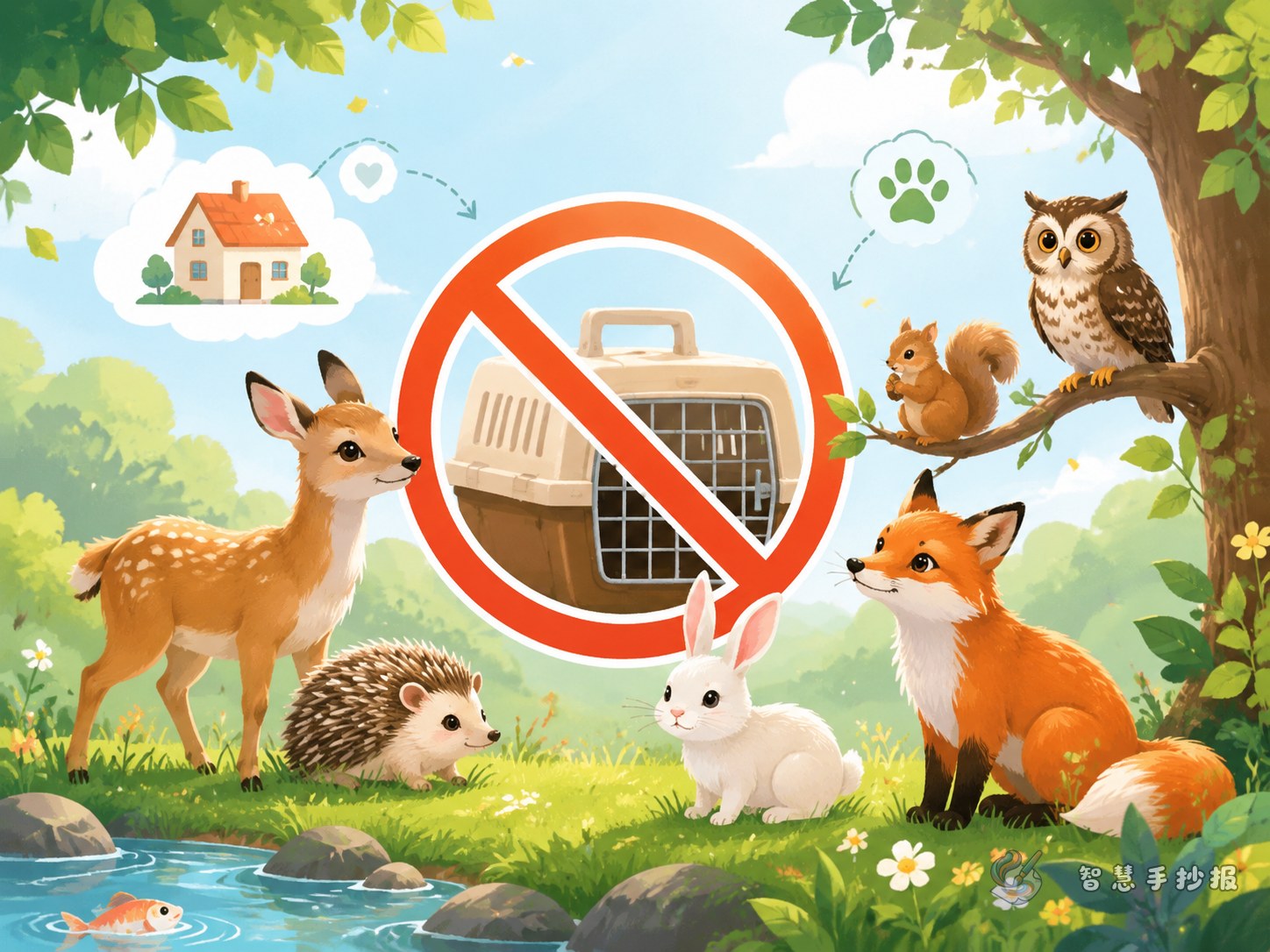
Many children think bringing a wild animal home is a kind way to care for it. In fact, real protection means letting wild animals stay in the natural places where they belong. A good opening line for this topic is: Wild animals are not pets, and they should not be taken home just because they look cute or interesting.
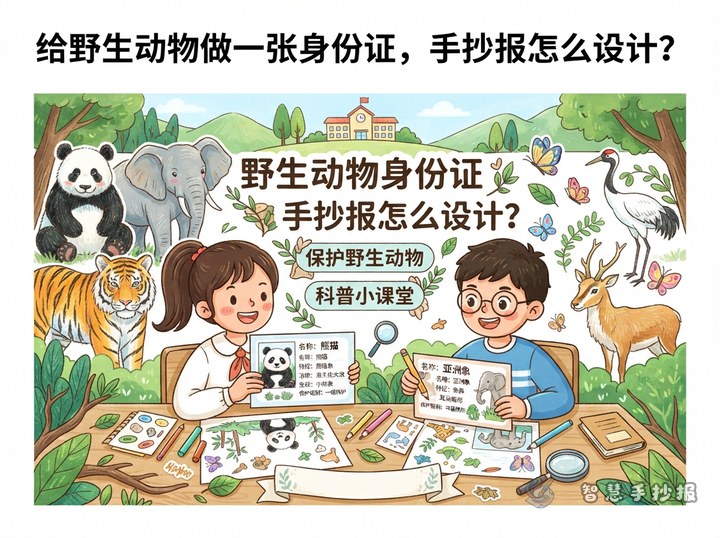
This topic works well as a science-based handwritten newspaper with a clear protection message.
Three main reasons to include in the newspaper
Different living conditions
Wild animals are adapted to forests, rivers, grasslands, wetlands, and other natural environments. A home usually cannot provide the right space, food, temperature, or freedom they need, so keeping them may cause stress, injury, or death.
Health and safety risks
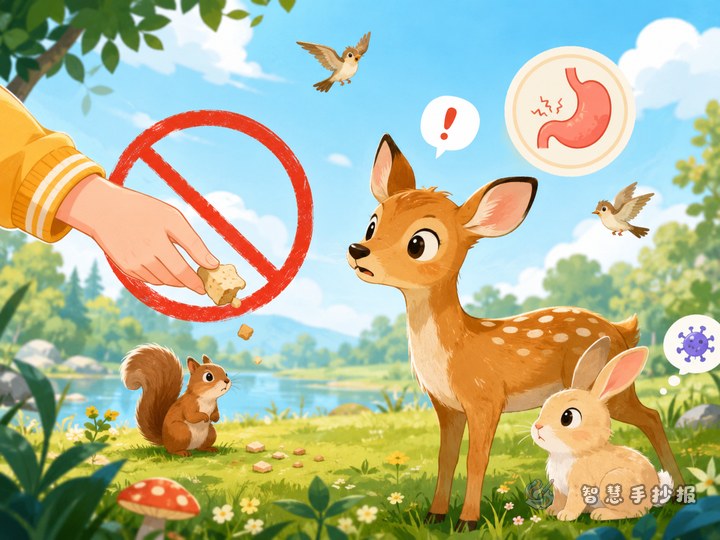
Some wild animals may bite or scratch when frightened. Others may carry germs or parasites. Casual contact, feeding, or keeping them at home can be harmful to both people and animals.
Damage to ecological balance
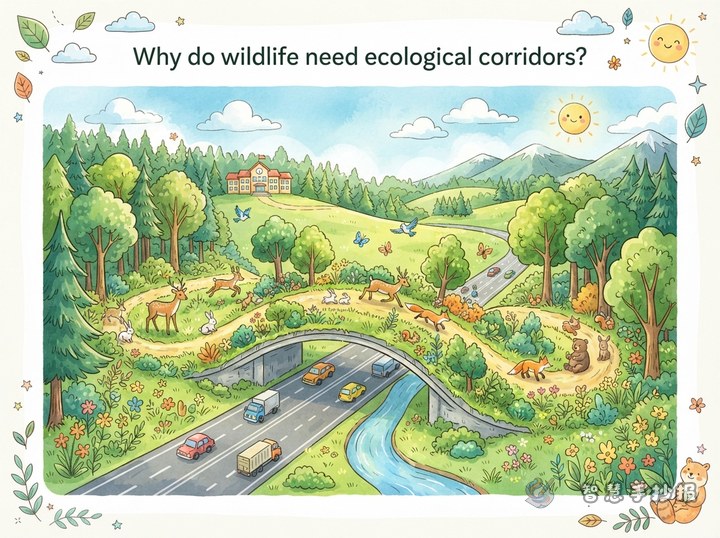
Every wild animal has a role in nature. Removing one from its habitat may affect food chains and the balance of the ecosystem. Protecting wildlife means respecting its place in the natural world.
Short lines that fit well on the page
- Wild animals belong to nature, not to cages at home.
- Liking an animal does not mean owning it.
- Real protection means not catching, not keeping, and not hurting wildlife.
- The best help is to let wild animals stay free in nature.
- Respect life, and respect the way it naturally lives.
If there is still space on the page, add a small message encouraging readers not to chase, tease, or disturb wild animals.
A simple section plan for the layout
- Main title area: Write the topic clearly at the top.
- Reason section: Explain habitat needs, health risks, and ecological effects.
- Reminder section: Add points such as do not catch, buy, or keep wildlife.
- Action section: Write a short call for everyone to protect wild animals properly.
You can also add a small extra box called “What should we do when we see a wild animal?” with simple advice such as watch from a distance and tell an adult if needed.
Layout ideas that make the page look lively
A practical layout is a large title at the top and several blocks below it. Put the reasons on one side, the harmful effects on another side, and a final action box at the bottom. This makes the page easy to read.
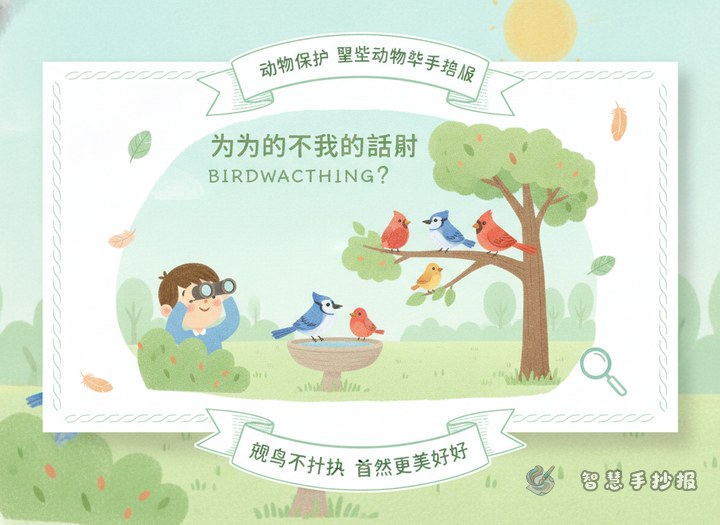
Green and light blue are good main colors because they suggest nature and protection. Decorations can include leaves, grass, feathers, forests, and footprints. One or two animal drawings are enough, so the page does not become too crowded.
How to end the handwritten newspaper
A strong ending sentence can make the message memorable, such as: Protecting wild animals does not mean taking them home, but giving freedom back to them.
Before finishing, check whether the title is clear, the writing is balanced, and the sections are neat. If you want to continue improving the page with more styles and topic materials, you can also explore the WeChat mini program of Zhihui Shouchaobao for more handwritten newspaper inspiration.