Choose a practical angle: rescue with care, not impulse
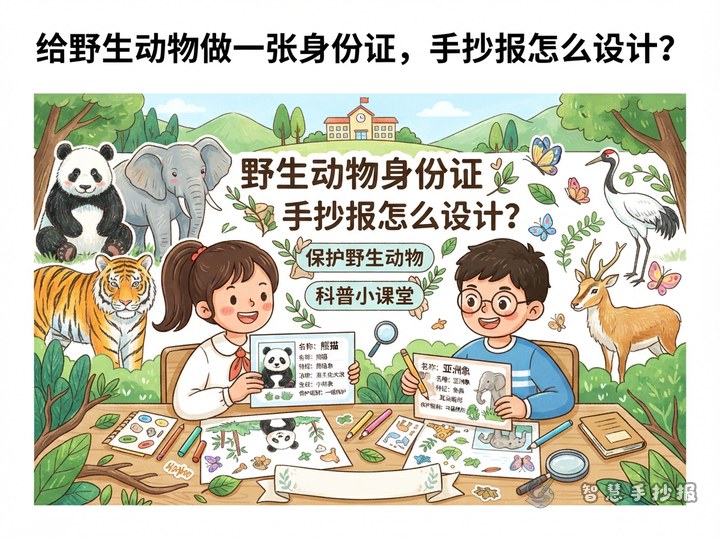
If you want to create a wildlife protection handwritten newspaper, a useful topic is “What should we do when we see an injured wild animal?” This angle is easy for children to understand because it connects science knowledge with real-life action. You can place a clear title in the center, such as “Protect Wildlife by Helping the Right Way.”
Instead of only listing animal facts, this kind of poster teaches students what to do, what not to do, and why wild animals should not be taken home casually.
Four sections that work well on the page
Section 1: What is a wild animal?
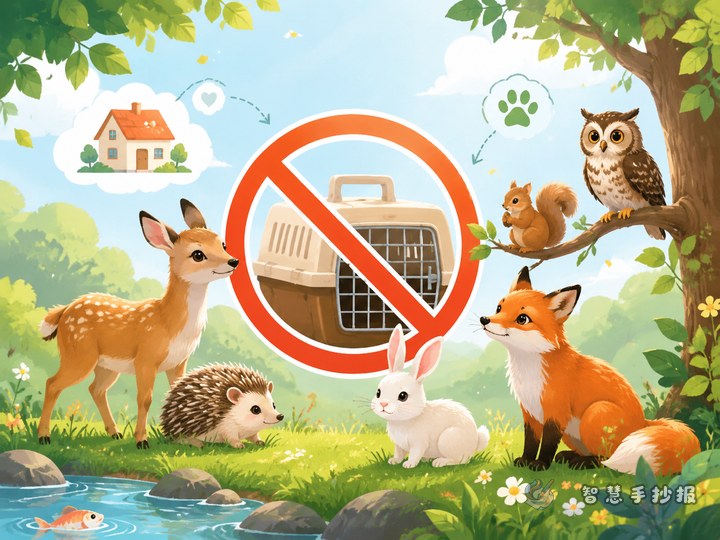
Briefly explain that wild animals live in nature. They are not pets and should not be raised at home without proper help. Examples may include birds, hedgehogs, squirrels, owls, and snakes.
Section 2: What should we do first?
- Observe from a safe distance
- Do not chase, crowd around, or scare the animal
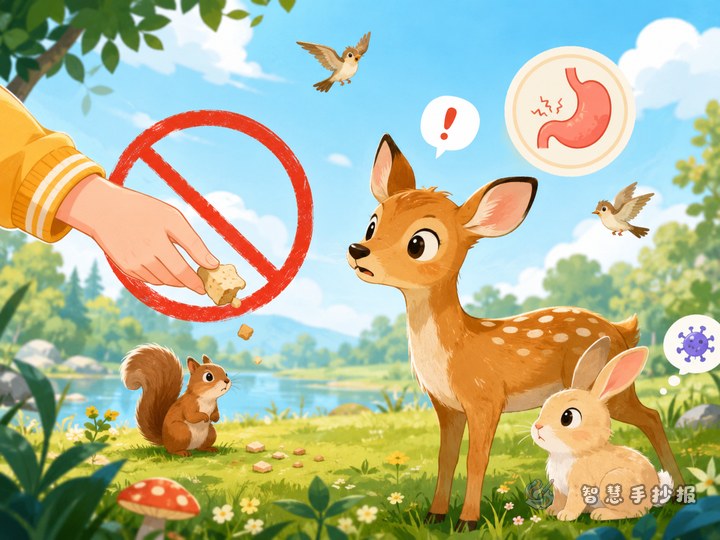
- Do not feed it water, milk, or food casually
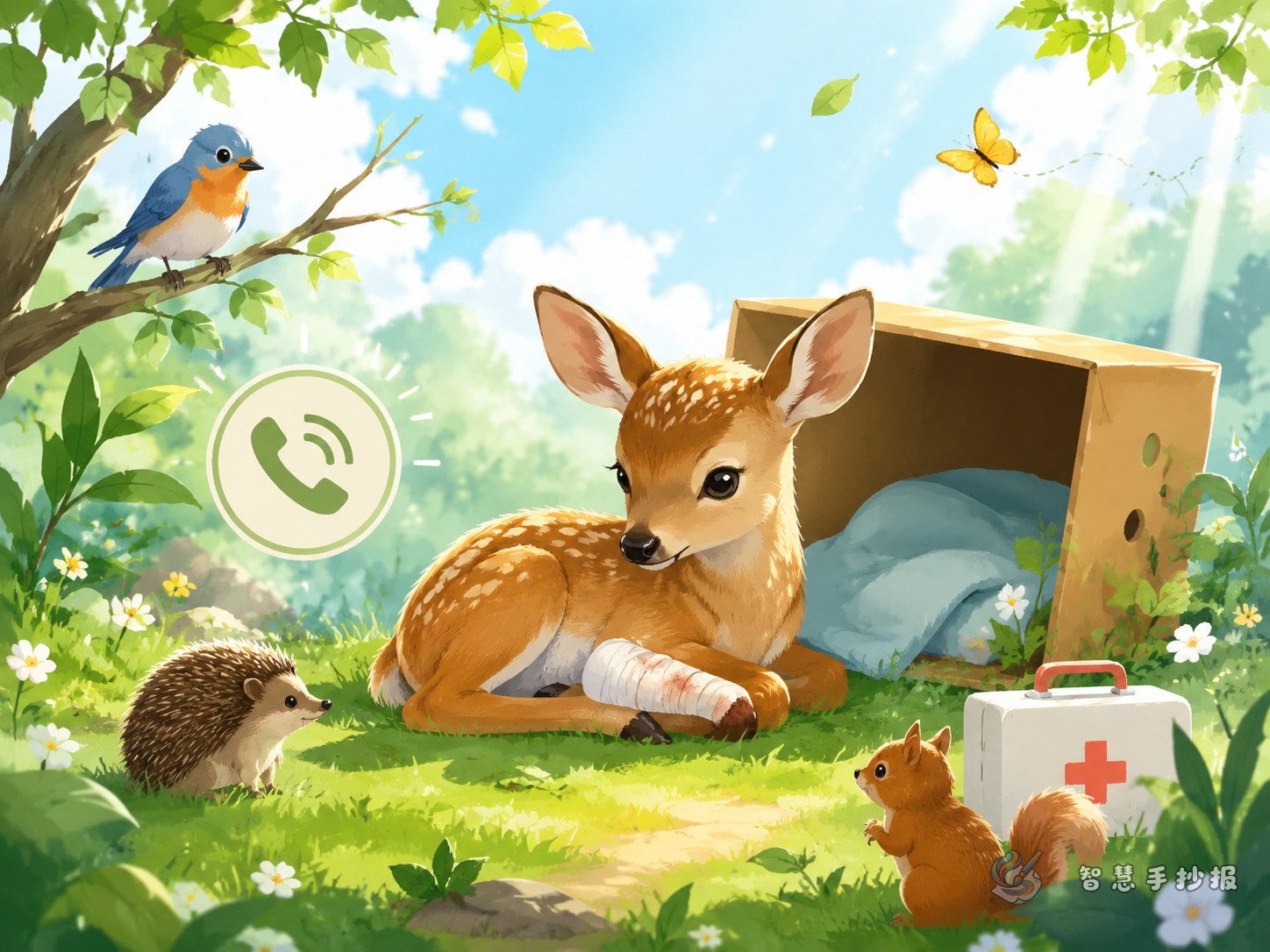
- Tell parents or teachers and ask adults to seek proper rescue help
Section 3: Common mistakes
- Taking a baby bird home immediately
- Touching the animal again and again for photos
- Using household medicine without guidance
- Keeping a wild animal as a pet
Section 4: Everyday ways to protect wildlife
- Do not buy products made from wild animals
- Do not damage nests, tree holes, or wetland habitats
- Protect green spaces around school and home
- Tell adults if you see wildlife being harmed or captured
Short text materials you can copy onto the poster
- Protection tip: Wild animals belong to nature, not to our homes.
- Slogan: Less disturbance, more respect.
- Science note: A young bird that looks alone may still be waiting for its parents.
- Action reminder: Observe first, touch less, ask for help quickly.
If you still have space, you can add a mini box called “Common rescue mistakes” or “A message to wildlife” to make the layout more lively.
A layout idea that is easy to finish
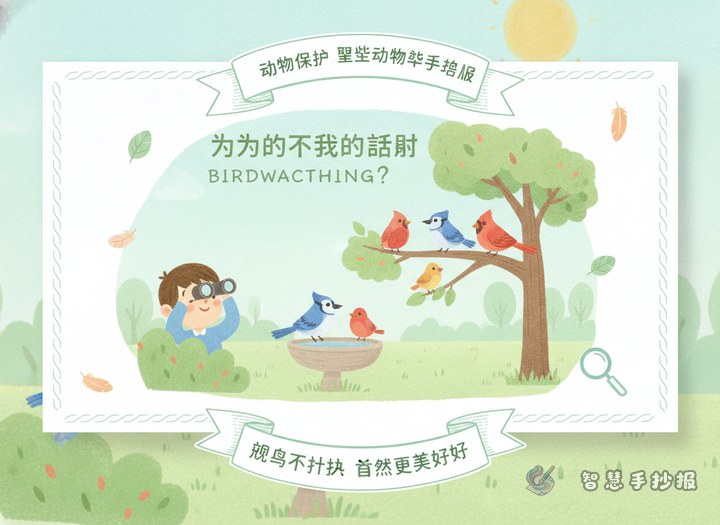
This topic works well with a center title plus side columns design. Put the main title in the middle, “Right Actions” on one side, and “Wrong Actions” on the other. At the bottom, add a small section for science facts or a protection promise.
Good colors include green, blue, and light brown to match forests and nature. You can decorate with leaves, feathers, paw prints, and branches. Keep the page neat and leave enough room for writing. Highlight key phrases like “Do not feed,” “Ask adults for help,” and “Do not take it home.”
Final checklist before you finish
- Make sure the content is for a handwritten newspaper, not just a general article
- Include both knowledge and practical action tips
- Keep the layout clear, readable, and balanced
If you want to keep improving your title, sections, and page arrangement, you can continue planning your work in the Zhihui Shouchao Bao WeChat mini program.