Why Huangmei Opera Works Well for a Handwritten Newspaper
Among forms of traditional Chinese opera, Huangmei Opera is known for its gentle melodies, simple language, and warm emotional style. That makes it a very suitable topic for students. The stories are easier to understand, and the overall feeling is elegant rather than overly complex. For families and teachers, it is also a practical theme when guiding children to learn about traditional culture through a creative project.
If you want a page that looks refined, readable, and different from more common opera topics, Huangmei Opera is a smart choice.
Useful Sections You Can Add
1. A Quick Profile of Huangmei Opera
- Name: Huangmei Opera
- Type: Traditional Chinese opera
- Style: Melodious, fresh, and emotionally expressive
- Overall impression: Soft, graceful, and easy to appreciate
2. Famous Plays
Choose two or three well-known examples so the page stays focused:
- The Heavenly Maiden and the Woodcutter: A classic story often used to introduce Huangmei Opera.
- The Female Prince Consort: A lively and memorable play with strong characters.
- The Cowherd and the Weaver Girl: A folk tale based story that connects well with traditional culture themes.
3. What Makes It Special
- The lyrics are relatively easy to understand
- The tunes are pleasant and memorable
- The performance style feels natural and graceful
- It expresses gentle and sincere emotions
This part can become a small section called “Why People Like Huangmei Opera.”
Short Text Materials You Can Use
Huangmei Opera is an important form of traditional Chinese opera. It is loved for its beautiful singing style, natural performance, and approachable language. Many of its stories come close to everyday life, so audiences can understand both the plot and the emotions more easily.
Learning about Huangmei Opera helps us appreciate the charm of Chinese opera and the richness of traditional culture. By making a handwritten newspaper on this theme, students can learn about famous plays, important characters, and artistic features while also improving organization and design skills.
If you still have empty space, you can add a simple personal line such as “Traditional opera is not only stage performance, but also a living voice of Chinese culture.”
How to Arrange the Page
- Top center: Write a big title such as “Discover Huangmei Opera” or “My Traditional Opera Project.”
- Left area: Place the basic introduction and quick facts.
- Center: Highlight famous plays as the main content block.
- Right area: Add singing features or opera facts.
- Bottom: Include a short reflection or a “My Favorite Play” box.
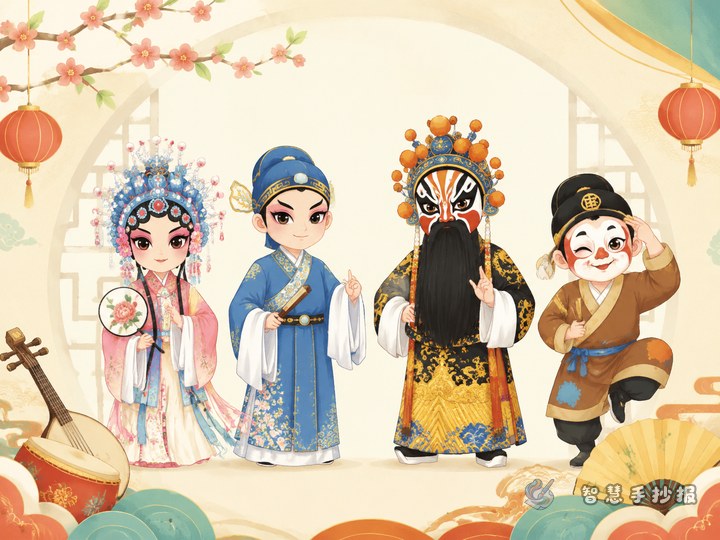
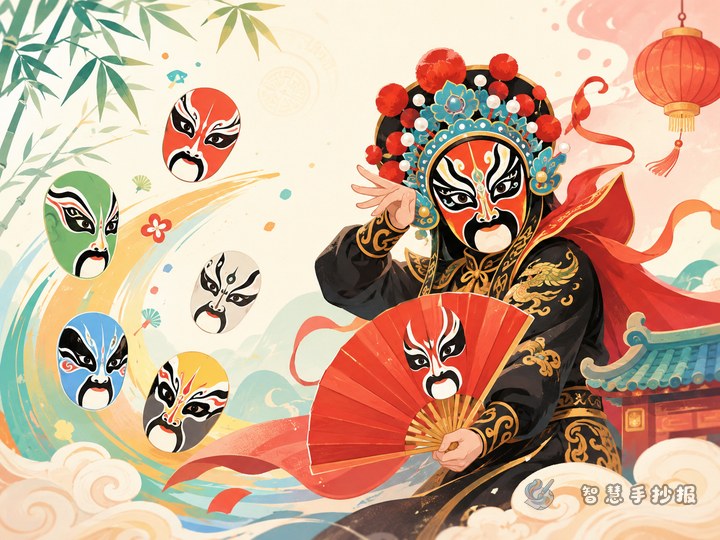
Decorative elements can include folding fans, stage curtains, flowing sleeves, floral patterns, or plum blossoms. Make the title more artistic, but keep the body text neat and easy to read.
Colors and Decorative Ideas
Huangmei Opera usually gives a soft and graceful impression, so strong heavy colors are not necessary. These combinations work well:
- Main colors: Light yellow, pale pink, cream
- Accent colors: Soft green, light blue, small touches of red
- Border style: Thin lines, cloud patterns, floral trims, or stage-inspired frames
You do not need detailed drawings. Simple character outlines, fans, ribbons, flowers, and a small stage shape are enough to strengthen the theme.
How to Add More Content If the Page Feels Empty
- Opera vocabulary box: melody, movement, role, stage
- Traditional culture link: connect Huangmei Opera with folk tales or festivals
- One-sentence recommendation: explain why you want to learn about it
- Mini reflection: write two or three lines about your thoughts
If you already have a topic but want to keep improving the layout, color plan, or section ideas, you can continue designing through the Zhihui Shouchaobao WeChat mini program for a smoother creation process.