Start with one clear idea: turn safety advice into actions
This handwritten safety poster does not need to be packed with disaster facts. Build it around one simple message: When severe weather arrives, protect yourself first and follow reliable instructions. Short action phrases are easier for children to understand and remember than long explanations.
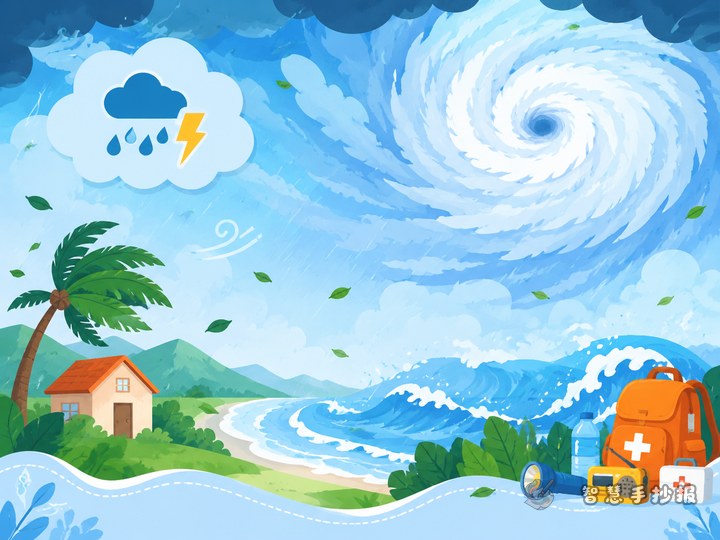
Place a central line below the title: Check the warning, follow the order, and move only toward a safe place. Clouds, raindrops, wind lines, and a small house can decorate the page without covering the writing.
Use three action groups for the main content
Before the storm: Put away, close, listen
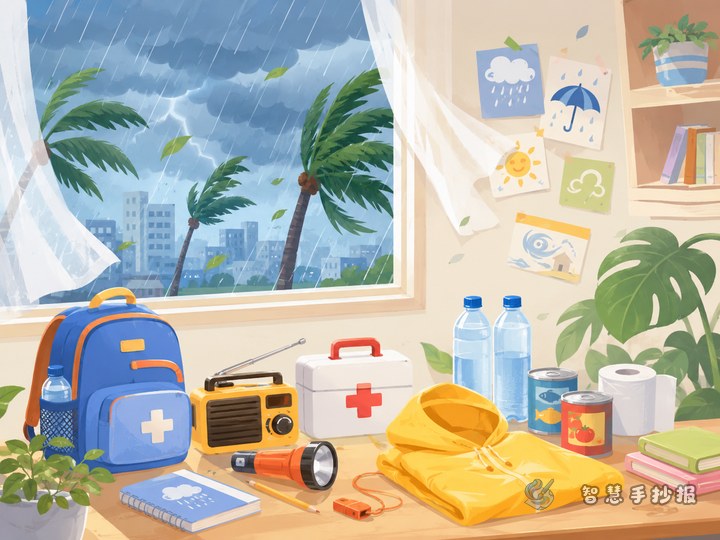
- Put away: Bring in flowerpots, clothes, and other loose items from balconies.
- Close: Shut doors and windows, check for leaks or loose objects, and stay away from glass.
- Listen: Pay attention to updates from weather authorities, schools, and parents instead of going outside on your own.
During strong wind and rain: Avoid, go around, stop
- Avoid: Stay in a solid, safe indoor place when possible. Keep away from billboards, temporary structures, and large trees.
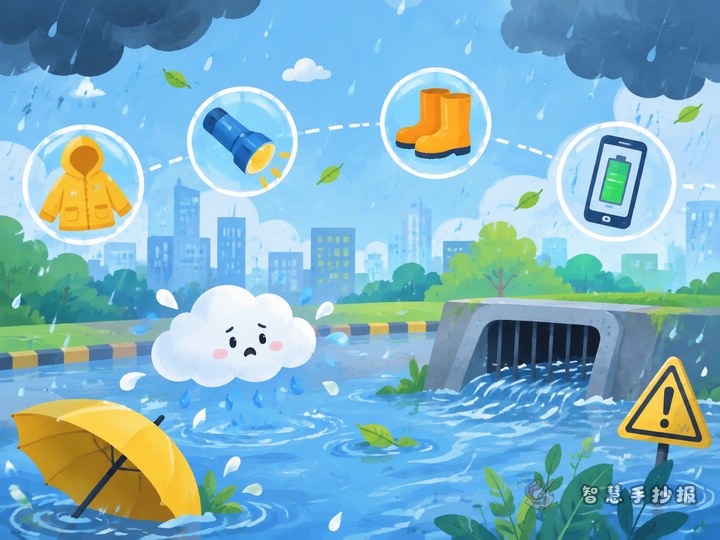
- Go around: Avoid flooded roads and stay away from rivers, low-lying areas, uncovered drain covers, and fast-moving water.
- Stop: Do not play, run, or wade through floodwater during a storm. If you see a fallen power line, move away and tell an adult immediately.
When help is needed: Look, tell, wait
- Look: Check the surroundings and make sure you and your companions are not in a dangerous area.
- Tell: Tell a parent, teacher, or nearby staff member your location and what happened.
- Wait: Stay in a safe place for reliable help and further instructions. Do not return to a dangerous area by yourself.
Turn the phrases into easy-to-read safety cards
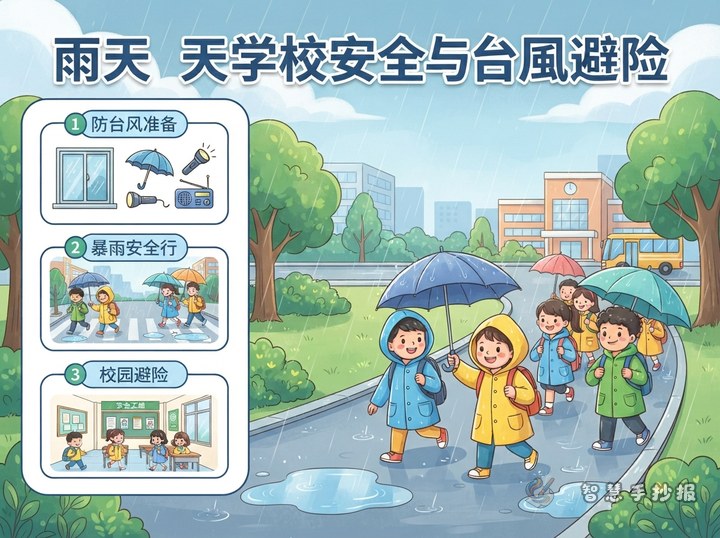
Try a layout with the title at the top, three safety cards in the middle, and a short slogan at the bottom. Use dark blue for the title. Arrange “Put away, close, listen,” “Avoid, go around, stop,” and “Look, tell, wait” in a row or a vertical path. Keep only two or three lines of explanation on each card.
Use blue, orange, and green borders to show the order from preparation to protection and then asking for help. Simple icons such as an ear, window, footprints, telephone, or an adult holding a child’s hand can support the text. Highlight phrases such as stay away from floodwater, fallen wires, and unsafe structures in red or bold type.
Short phrases children can copy
- When wind and rain grow strong, stop and follow the warning.
- Close the windows, put things away, and prepare before the storm.
- If the water depth is unclear, take another route instead of wading through it.
- Stay far from fallen wires and ask for help quickly.
- Remember small safety actions; getting home safely matters most.
End with a warm promise: “I will check the warnings, choose safe roads, listen to adults, and share what I learn.” This gives the poster an active ending instead of leaving it as a list of facts.
Check these four details before finishing
- Can the title be understood at a glance, and do the three action groups have a clear order?
- Is each reminder short and accurate, especially the advice about water, wires, and dangerous structures?
- Do the illustrations, borders, and colors support reading rather than cover the words?
- Is there room for a name, class, or handwritten decoration so the page looks complete?
If you want to adjust the lettering, column positions, or colors, use these phrases as your draft and continue designing in the WeChat mini program “智慧手抄报”.