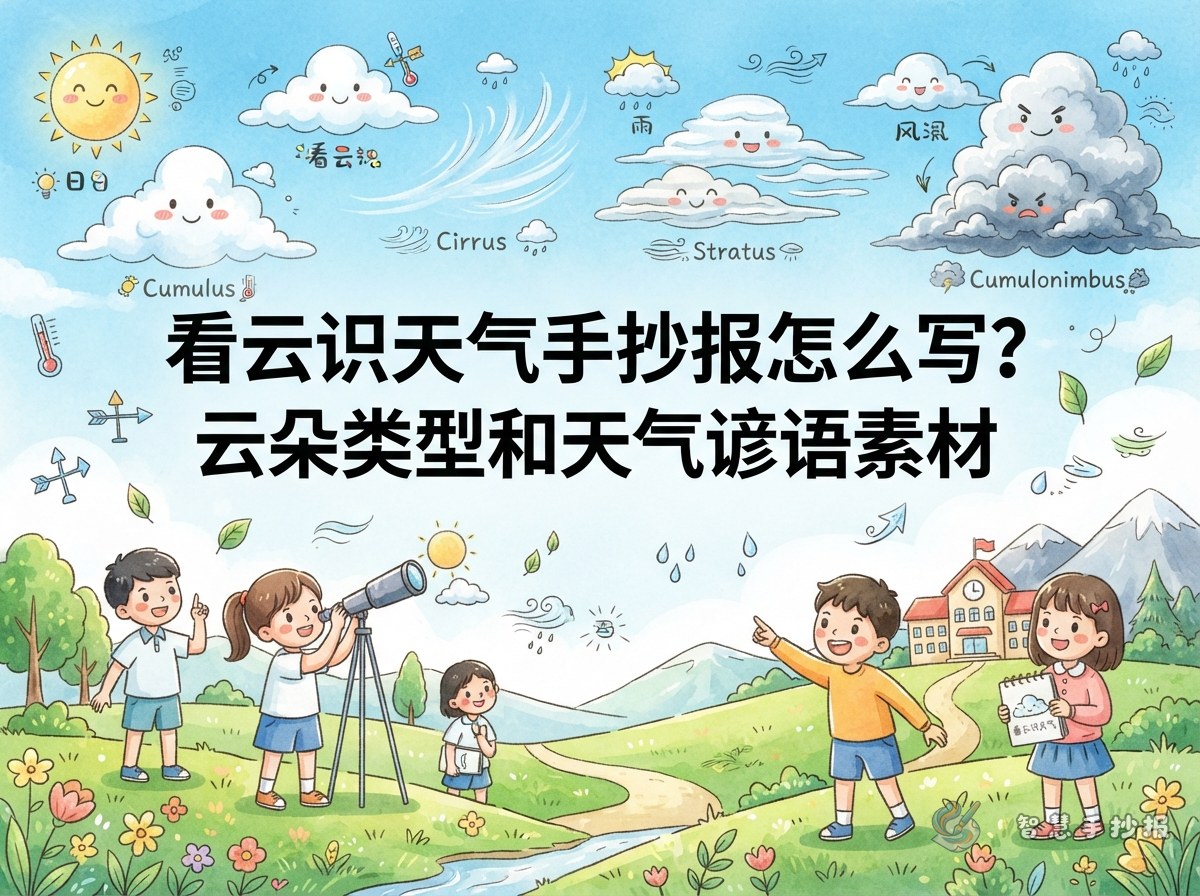
Pick One Main Character: The Cloud
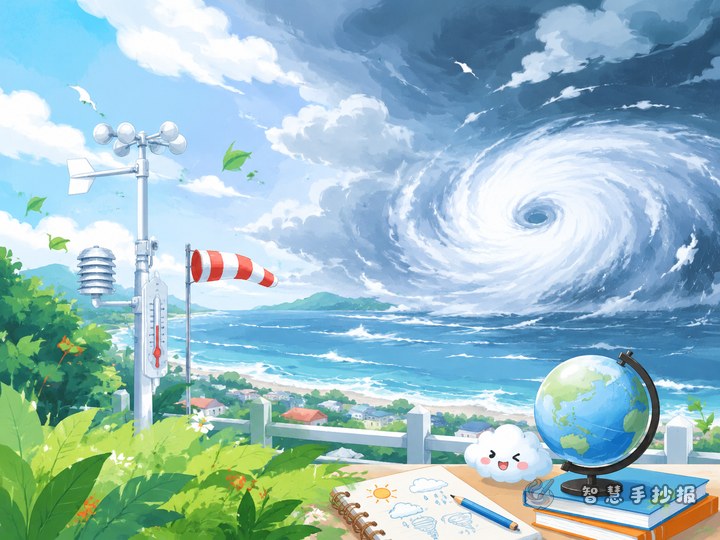
Weather posters often end up crowded with suns, raindrops, snowflakes and rainbows. A read-the-clouds page works the other way around: it only needs one main character, the cloud. Once you explain how clouds look and what they tell us about the weather, the page already feels like meteorology.
Before you start, choose one line as your backbone: clouds are the weather note that the sky writes for us. Every column you plan can hang on that idea.
Cloud Cards: Matching Cloud Shapes With Weather
This is the most useful knowledge block on the page. Make four small cards, each with a quick sketch and one or two sentences.
- Cumulus: fluffy and separate, like cotton wool. Common on bright, fair days.
- Cirrus: high and thin, like feathers or threads with small hooks. Often appears before the weather changes.
- Stratus: a low, flat grey sheet that covers the sky and brings drizzle.
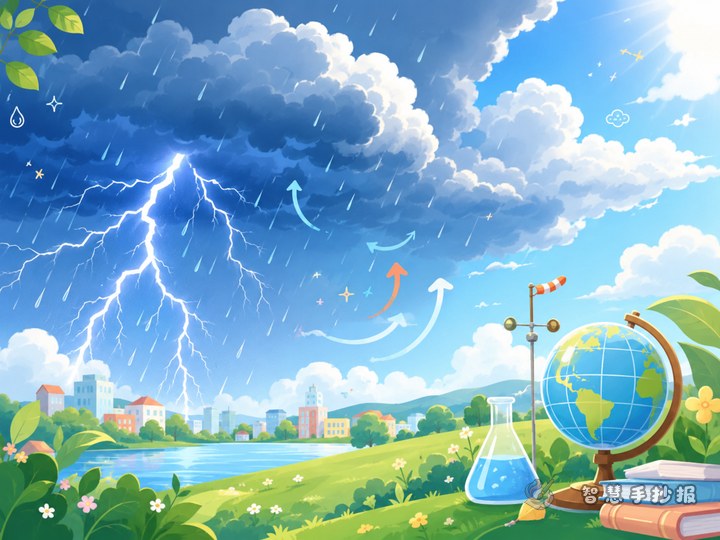
- Cumulonimbus: thick and dark, with a flat base and a mountain-like top. This one brings thunderstorms.
Add a Small Box About Colour and Height
Whiter, brighter clouds usually mean steadier weather. Grey, thick, low clouds mean rain is more likely. Put this in a narrow vertical box along one side of the page as a supporting note.
Text Blocks: Proverbs and Short Lines
Pictures alone cannot carry a handwritten newspaper. Short lines give it substance, and weather proverbs fit this theme perfectly. Try lines such as "a hook-shaped cloud in the sky means rain on the ground" or "clouds going east, nothing comes; clouds going west, bring your raincoat." Add a small note beside them: these are sayings people built up by watching the sky over a long time. That is honest and explains where the lines come from.
No Proverbs? Write Your Own Observation
Instead of forcing ten borrowed sentences, save a small space for a real note: "This afternoon the clouds looked like a grey cloth, and by evening it was drizzling." One line like that feels more like your own page than a list of unfamiliar sayings.
Layout: Build the Page Like a Sky
A vertical layout suits this theme because the sky itself runs from top to bottom. Try this order:
- Top: paint a sky band that fades from deep blue to pale blue, and place the big title on it.
- Middle, split in two: cloud cards on the left, proverb boxes on the right, with both blocks the same height.
- Bottom strip: a "my weather observation" or mini weather diary column, drawn as lined rows or small boxes.
- Corner details: a weather vane, thermometer, raindrop or umbrella in the corners, kept away from the main content.
Keep the palette to blue, white and light grey, then add a little yellow or orange for the sun and title so the page stays bright.
Quick Check Before You Write
- Does the title mention clouds or weather?
- Did you include at least two cloud types, each with its matching weather?
- Is at least one text block made of short lines rather than a long paragraph?
- Is there enough white space, with a border margin kept clear?
If you are short on time, open a sky-themed layout in the ZhiHui ShouChaoBao WeChat mini program, block out the title, cloud cards and proverb boxes first, then add your own observation note. It is much faster than staring at a blank sheet.