Start with a clear action message
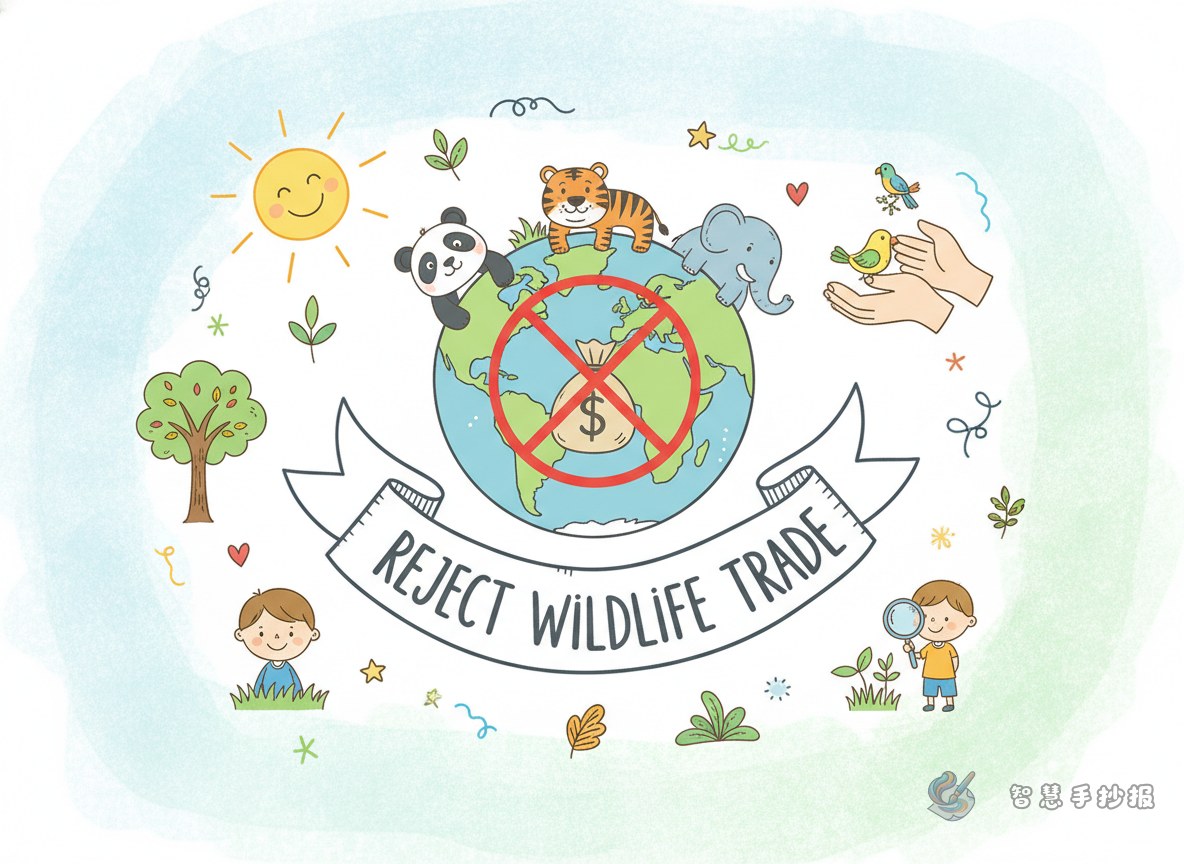
This kind of handwritten newspaper should focus on one central idea: refusing wildlife trade. Instead of only introducing animals, the page should clearly explain that wild animals should not be bought, sold, eaten, or treated as novelty products. A bold main title and a short subtitle can make the theme easy to understand.
For elementary students, it helps to organize the page around three simple questions: Why is wildlife trade harmful? What behaviors should we avoid? What can we do in daily life? This keeps the page focused and easy to read.
Useful sections for the layout
Section 1: Why wildlife trade is harmful
- It damages the balance of nature and food chains.
- It makes already rare animals even fewer in number.
- Capture and transport often cause fear, injury, and death.
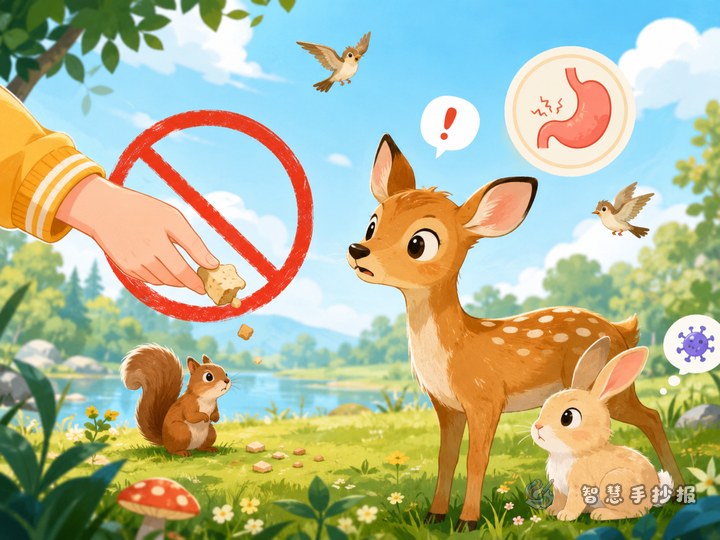
- Contact with wild animals can also bring safety and health risks.
Section 2: Behaviors we should say no to
- Do not buy products made from wild animals.
- Do not support or watch illegal wildlife trading.
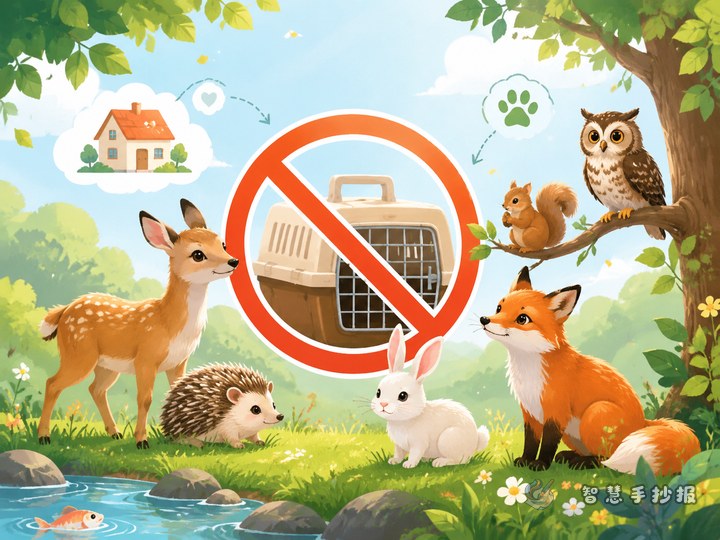
- Do not keep wild animals as casual pets.
- Do not spread wrong ideas that eating wild animals is special or fashionable.
Section 3: What we can do
- Refuse to buy or consume wildlife products.
- Learn basic wildlife protection knowledge.
- Share what we learn with family and classmates.
- Use posters, class talks, and handwritten newspapers to spread the message.
Short text materials students can use
Science-based sentences
Wild animals belong to nature, not to markets or dinner tables. Every species has its own place in the ecosystem. When people catch and sell wild animals, they damage nature and bring suffering to living creatures. Protecting wildlife also means protecting our shared home.
Appeal paragraph
We should begin with small actions in daily life. Do not buy, eat, or use wildlife and related products. If we see wrong behavior, we can give a polite reminder. If we see good protection messages, we can share them. Less buying means less harm, and more participation means better protection.
Slogan ideas
- Refuse wildlife trade, protect our natural home.
- No buying, no eating, no harming.
- Protect wildlife, protect the future of nature.
- Civilized living begins with saying no to wildlife trade.
- Let wild animals stay in the wild, not in the market.
How to make the page look better
Green, blue, and brown are good main colors because they connect with forests, skies, and nature. The title area can include leaves, the earth, birds, or footprints. Keep borders simple so the text stays easy to read. Short paragraphs and clear bullet points work better than long blocks of writing.
To create visual order, place the “harm” section in a box, use a checklist style for “what we should do,” and put slogans in a bottom banner. This helps teachers and classmates quickly find the key points.
A simple plan to finish the project
Students can work in three steps: choose the main title, decide on three content sections, and then add slogans and small drawings. The pictures do not need to be difficult. Trees, animals, a forest background, or a simple no-trade symbol are enough. The final page should feel clear, caring, and action-oriented.
If you want to improve the layout further, replace sections, or find more material, you can continue in the Smart Handwritten Newspaper WeChat mini program and polish the design into a more complete final page.