Make the spring orchid the visual focus
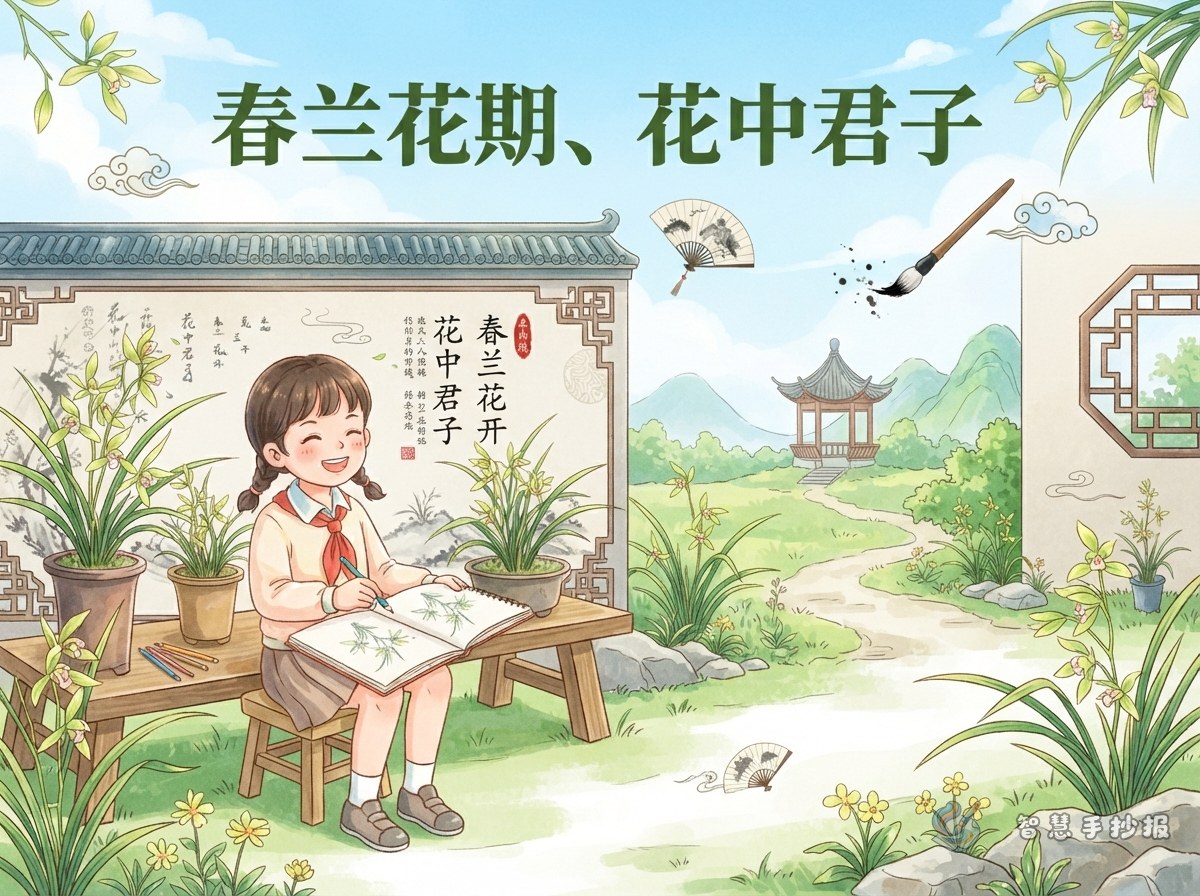
Orchids are a lovely way to bring the freshness of early spring into a handwritten newspaper. Blooming times vary by region, but spring orchids are often associated with gentle fragrance, quiet beauty, and a new season. Build the page around the idea of “one orchid branch telling the story of spring,” combining flower details with traditional culture.
In Chinese culture, the orchid is often called a “gentleman among flowers.” This idea can introduce qualities that children understand, such as grace, modesty, and perseverance. The result is more than a plant description: it also becomes a page about character and personal growth.
Four sections to organize the story
- Orchid profile: Describe the long leaves, delicate blossoms, and light fragrance. Mention that blooming periods can vary among varieties and regions.
- The flower gentleman: Explain briefly how the orchid is associated with elegance, integrity, and a quiet confidence in traditional culture.
- My spring observation: Record the colors, shapes, and scents noticed while looking at flowers, then add one sentence about the orchid in your own eyes.
- A caring action: Encourage readers not to pick flowers, to water plants appropriately, and to learn through patient observation and care.
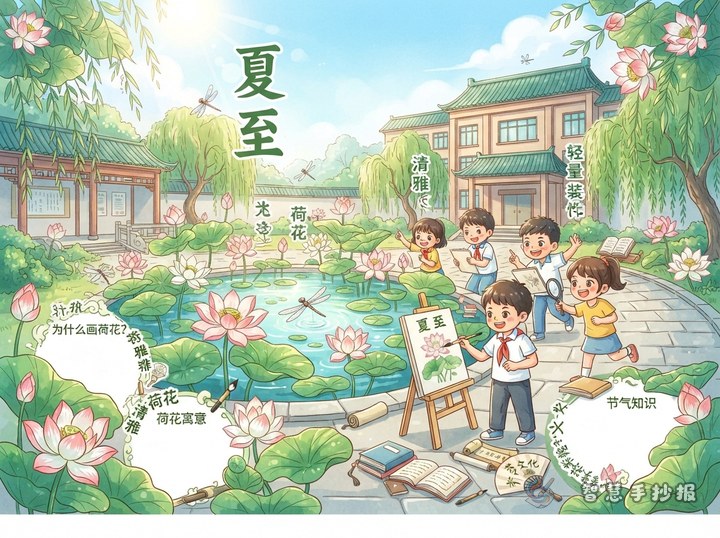
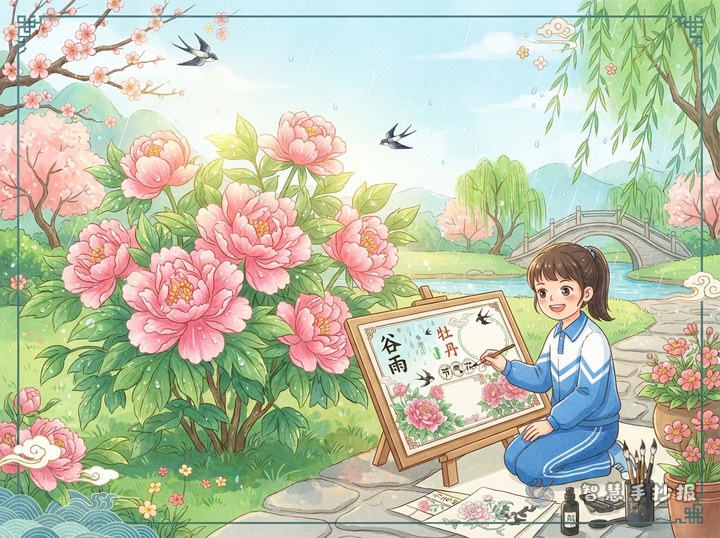
Place the four sections inside petal-shaped, scroll-shaped, or cloud-shaped text boxes so that facts, feelings, and actions flow naturally across the page.
Ready-to-use writing for the page
Theme sentence: “A quiet fragrance welcomes spring, while the orchid brightens the season with its graceful form.”
Cultural note: “The orchid has slender leaves, delicate flowers, and a fragrance that is gentle rather than overwhelming. Traditional culture often uses the orchid to praise a modest and self-disciplined character, which is why it is known as a ‘gentleman among flowers.’”
Personal reflection: “I like the orchid because it does not need to be noisy to be beautiful. It reminds me that doing my own work carefully can also make a special difference.”
A calm and balanced layout
For a horizontal page, draw the orchid in the lower-left corner and let several curved leaves extend toward the title. Put the orchid profile and cultural note on the right, and leave a larger central area for spring observations. On a vertical page, let the orchid grow upward from the bottom, place the title at the top, and arrange the four sections in an alternating pattern along the leaves.
Keep the palette simple with pale green, warm white, and light purple, using dark green for the leaves. Small stones, bamboo leaves, seals, or ink-style lines can add a traditional feeling, but decorations should never cover the writing. Make the title larger, keep each paragraph short, and leave enough open space for comfortable reading.
Finish the page step by step
- Use a pencil to mark the title, main flower, and four section areas.
- Draw the overall direction of the leaves before adding blossoms and small decorations.
- Copy the theme sentence, cultural note, and reflection first; coloring afterward helps keep the page clean.
- Use one color family for the title, borders, and key words, then check the handwriting, spacing, and section labels.
To try different titles, sections, and color combinations, continue creating in the WeChat mini program Zhihui Shouchaobao. You can then add your own observations and ideas to make the orchid page more personal.