Start with one clear purpose
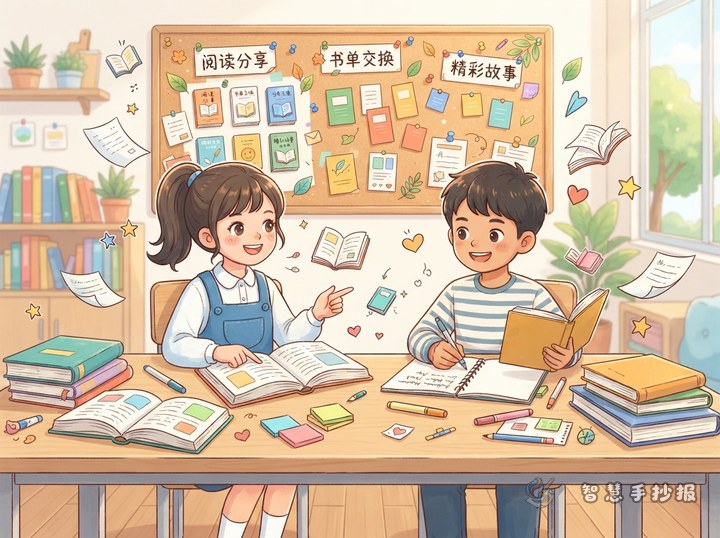
A reading log poster is different from a simple book report poster. Its main goal is to show your reading journey rather than retell the whole story. A good starting point is to answer these questions: What did I read? When did I read it? What stayed with me? What did I learn?
For younger students, one book or one week of reading is enough. Older students can turn it into a small reading summary covering a longer period.
Section ideas you can use right away
Option 1: Weekly reading log
- What I read this week: book title, author, and date.
- A line I want to remember: choose one to three short quotes.
- Most interesting part: summarize a scene in a few sentences.
- What I learned: write one or two personal takeaways.
Option 2: One-book reading record
- Book facts: title, author, and main characters.
- Character spotlight: who you like most and why.
- Favorite passage: copy a short and meaningful part.
- My final thought: explain your feeling in your own words.
You do not need to use every possible section. Four or five strong blocks are usually enough for a clean poster.
What kind of text should you prepare?
The best text for a reading log poster is short, clear, and personal. You can collect material from these directions:
- Reading time: for example, “Read for 30 minutes after dinner on Wednesday.”
- Book information: title and author.
- Favorite words and sentences: choose short and expressive lines.
- Brief summary: explain the main idea in three or four sentences.
- Personal reflection: say what you understood or admired.
- Next goal: such as “Finish chapter two next week.”
If you need a little more content, add a small section about reading habits, like reading every day, keeping books tidy, or making simple notes while reading.
Try a layout with one main area and lighter side sections
Reading-themed posters usually look better when they feel calm and tidy. Place the main title near the center or top, then arrange a few content blocks around it. Put reading list and reflection in the most visible area, and place quotes, plans, or decorations on the sides.
- Decorate the title with books, bookmarks, glasses, or a lamp.
- Keep each text box similar in length so the page feels balanced.
- Use simple borders such as lines, note-card shapes, or soft waves.
- Choose gentle colors like blue, green, or beige for a reading mood.
If the poster will be shown in class, make the reflection section slightly larger so the key message stands out quickly.
Make it feel personal, not copied
Some posters are neat but do not feel special because they only copy text. To make your work more original, add sentences with your own voice:
- “My favorite character is...”
- “This part made me think...”
- “This book reminds me of...”
- “Next I want to read...”
These short lines can make the whole poster feel more honest and memorable. Parents and teachers can first help children say their ideas aloud, then turn them into short written sentences.
Before you start drawing
Plan the page on scrap paper first. Decide where the title goes, how many sections you want, and how many lines each one will need. Reading log posters often become messy when too much text is added at the end. A good order is: title first, sections second, decoration last. If you want more template ideas, colors, and poster inspiration, you can continue creating in the Smart Handwritten Newspaper WeChat mini program.