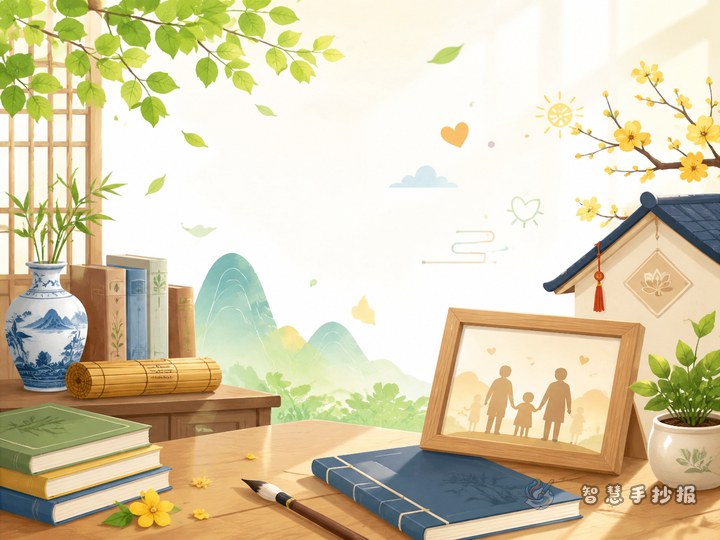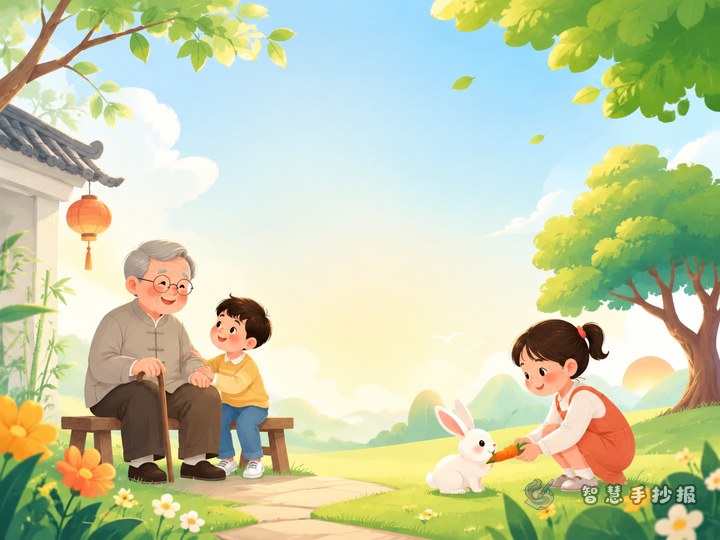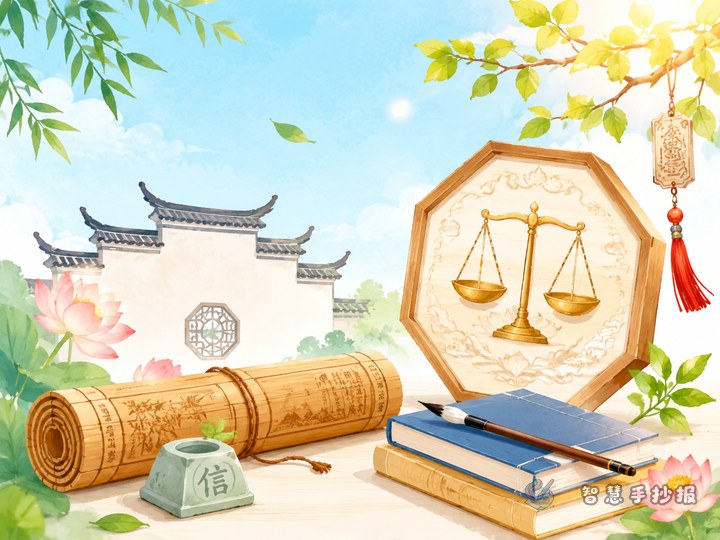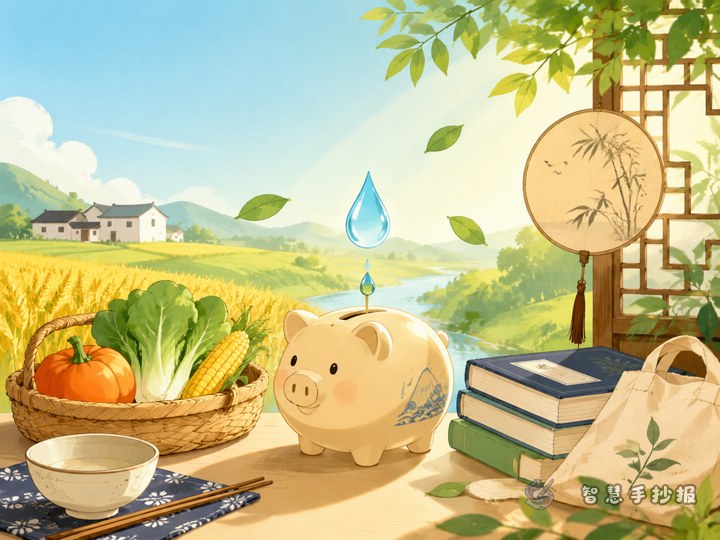
Start with a clear theme: good habits passed down in the family
For this kind of handwritten newspaper, it is better not to keep the topic too abstract. Turn “family values and family rules” into daily habits such as respecting elders, being honest, saving resources, being polite, and studying seriously. A title like “Good Family Values in My Home,” “Family Rules That Help Me Grow,” or “Family Values in Everyday Life” feels natural and easier for students to write.
You can begin with a short introduction: family values are not just slogans on the wall, but the habits and attitudes a family keeps over time. Family rules are not difficult sayings; they are simple reminders that guide children in everyday life.
Four practical sections for the page
- What family values mean: Explain the idea in simple words that primary school students can understand.
- My family rules: Write one to three short rules, such as “Keep your word,” “Be polite,” or “Do not waste food.”
- A small family story: Use one real example, like helping grandparents, cleaning the desk on time, or sharing with others, to show the value in action.
- What I will do: Turn traditional virtues into an action list, such as respecting teachers, saving paper, helping at home, and getting along with classmates.
If the page has more space, add a small section for virtue words or a favorite family saying.
Ready-to-use writing materials
Opening paragraph
Good family values are like a light that guides us as we grow. Good family rules are like gentle reminders that teach us how to behave. When we practice traditional virtues in small daily actions, we help these values live on.
Short family sayings
- Be honest and do things carefully.
- Save resources and avoid waste.
- Respect elders and care for family members.
- Be punctual and keep promises.
- Be polite and kind to others.
Short virtue paragraph
Traditional virtues are not far away. They appear in everyday life. Greeting elders politely is respect. Finishing what you promised is honesty. Using school supplies carefully is thrift. Offering help when someone needs it is kindness. Small actions can show strong family values.
Layout ideas that look neat and lively
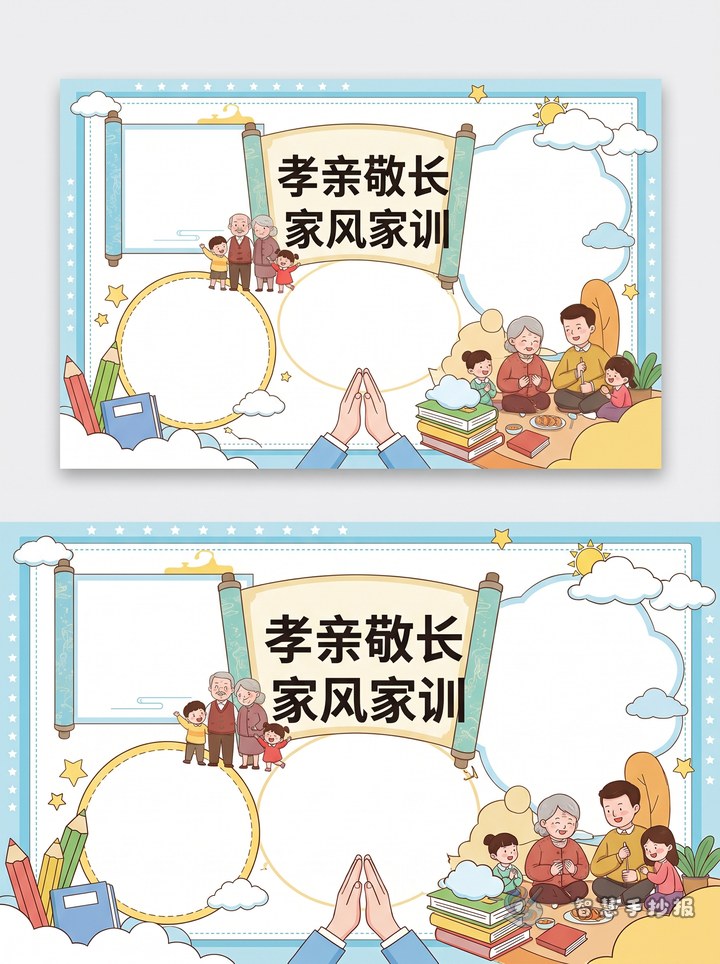
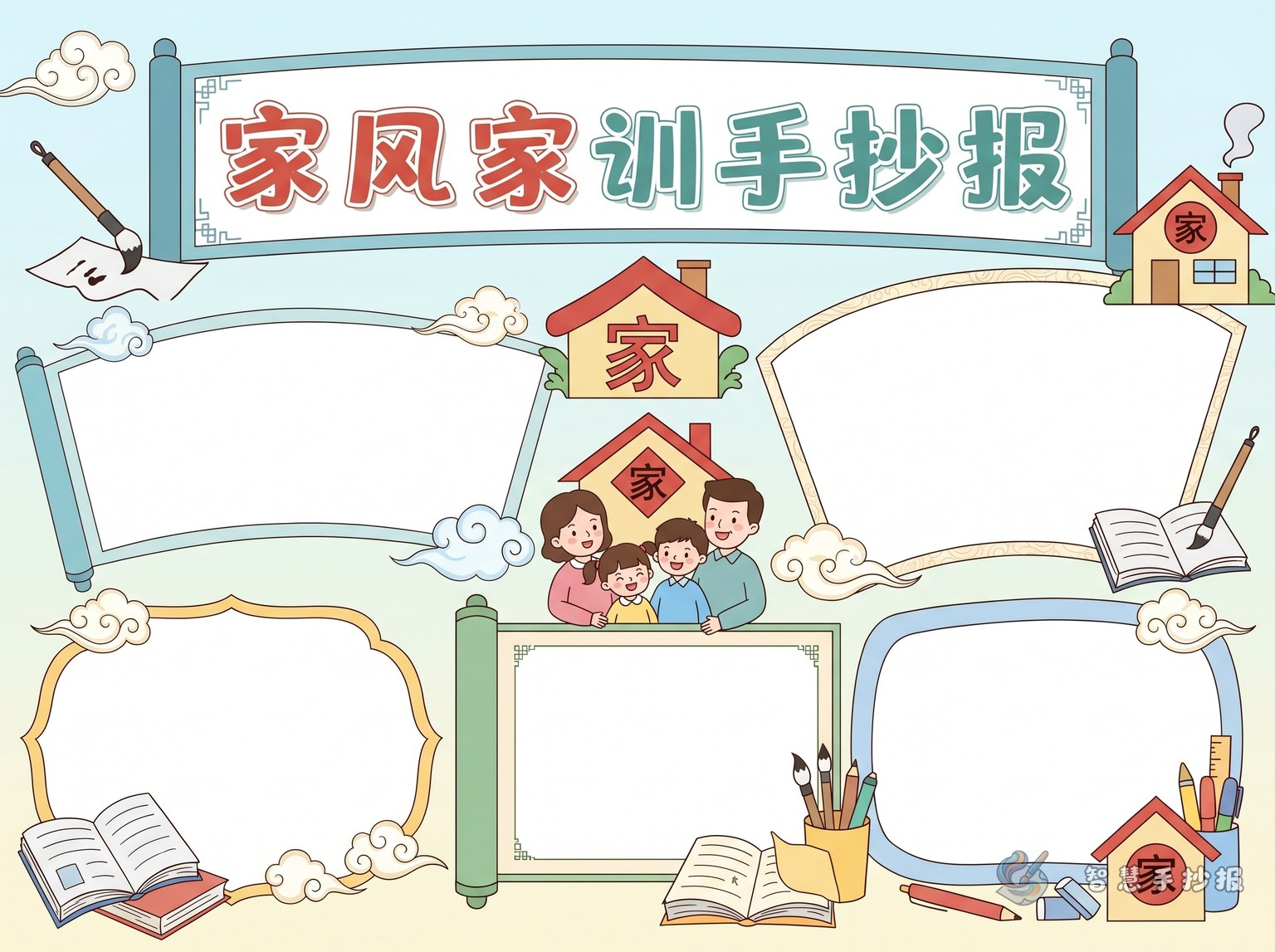
A practical layout is a large title in the center with sections around it. You can place family rules, a story, virtue words, and an action plan in four blocks. This makes the newspaper easy to read and easy to decorate. Traditional-style borders such as lanterns, bamboo, scrolls, or simple floral patterns can match the theme well.
Use bright but warm colors like red, orange, light yellow, and green. Do not make each section too crowded. Break long text into short paragraphs or bullet points so the page looks cleaner.
How to make the work feel personal
The best way is to write about real people and real moments from your own family. For example, a grandmother who reminds everyone not to waste food shows thrift. A father who says homework comes before play shows self-discipline. A mother who teaches children to greet others first shows politeness. These details make the handwritten newspaper sincere and easy to understand.
If you already have your topic and sections in mind, you can continue organizing the page and polishing the content in the Zhihui Shouchaobao WeChat mini program.