Make the Topic Smaller and Clearer
If a poster about ocean knowledge and marine protection feels too broad, narrow it down to What happens when a plastic bottle reaches the sea? This gives the poster a clear focus, combines science with action, and is easy for children to understand. It also makes the layout and writing much more manageable.
Useful Sections for the Poster
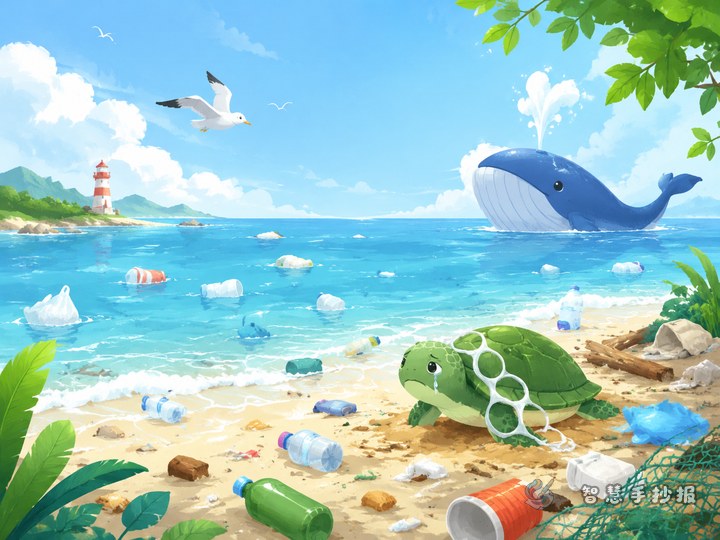
- Where plastic comes from: Write about plastic bags, straws, bottles, and food packaging from daily life. Explain that litter can travel through streets, drains, and rivers into the ocean.
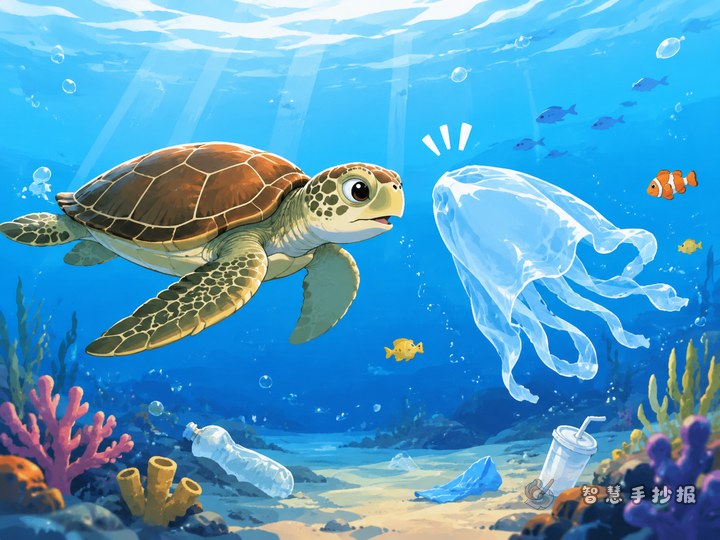
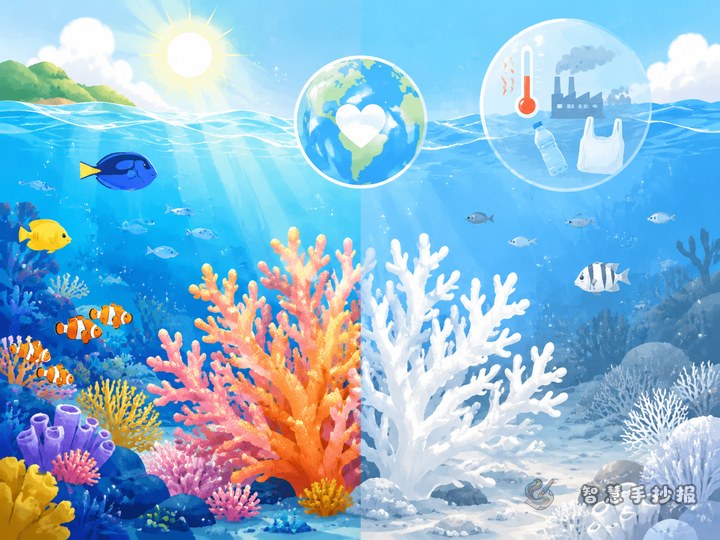
- What happens in the sea: Large plastic items can break into smaller pieces over time because of sunlight and waves, but they do not disappear easily.
- Who is harmed: Sea turtles, seabirds, fish, and shellfish may get tangled in plastic or mistake it for food.
- What we can do: Include ideas like using fewer disposable items, sorting trash, bringing a reusable bottle, and not littering.
Short Writing Materials Students Can Use
Poster writing should be clear and easy to copy. You can use lines such as A plastic bottle thrown away carelessly may drift for a long time before reaching the sea. Another option is The ocean is not a trash can, and protecting it starts with handling waste properly. You may also write Protecting the ocean means protecting animals and our shared home.
If you want short slogan-style text, try these: use fewer single-use plastics, sort waste carefully, and pick up litter when you see it. These short lines work well for elementary school posters.
Layout Ideas That Look Neat
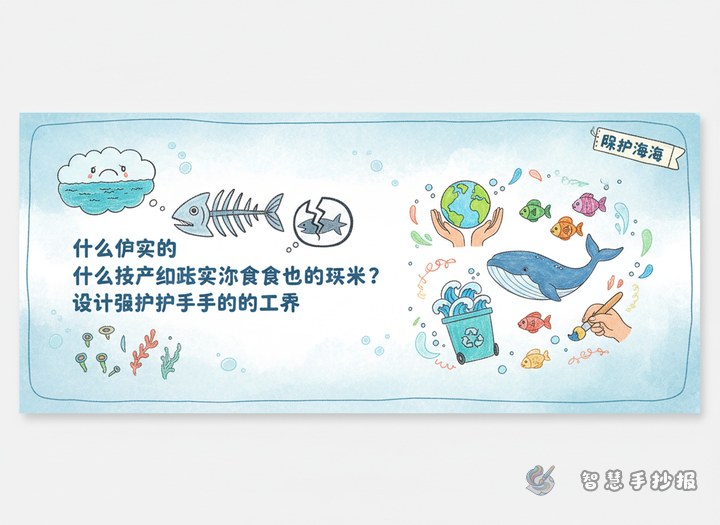
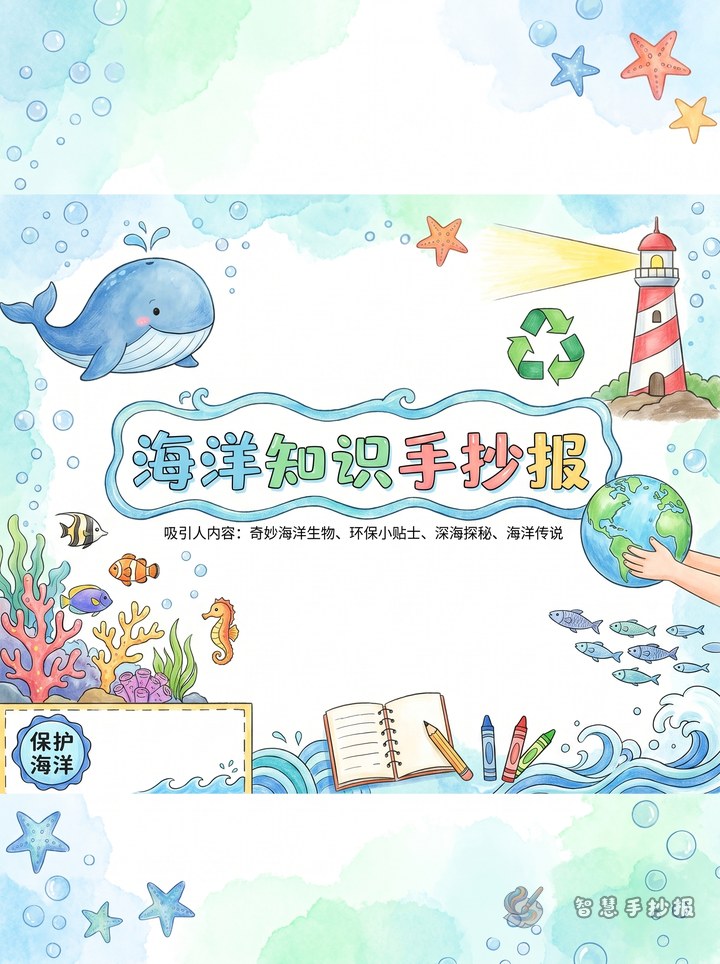
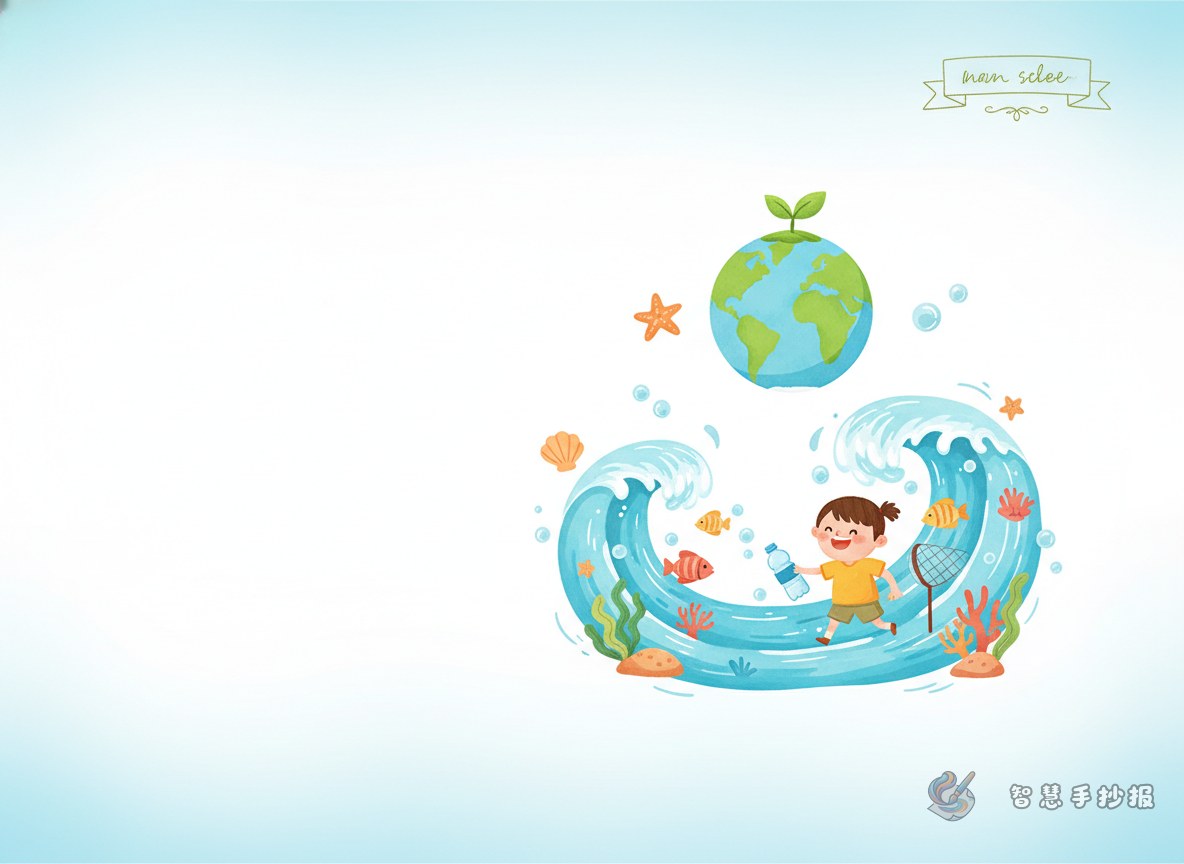
A good layout is a main title in the center with four content blocks around it. The center can show the topic title with a simple drawing of waves, Earth, or a bottle drifting at sea. One corner can explain the source of plastic, another can show changes in the ocean, another can describe affected animals, and the last can list actions students can take.
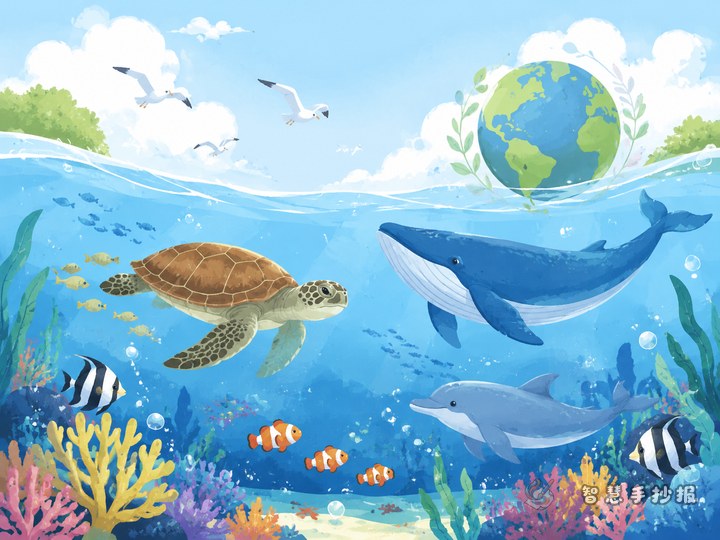
Blue and green are the best main colors, with a little orange for warning details. Decorative elements such as fish, shells, seaweed, and waves can make the page lively, but do not crowd the writing space. Important words can be highlighted with bold labels so the key points stand out.
How to End the Poster Well
The ending should feel practical and encouraging. For example: If we throw away one less plastic bag today, the ocean carries one less burden tomorrow. Then add a simple call to action, such as protecting the blue ocean from school, home, and community life. This kind of ending fits a student poster naturally.
If you want to keep improving the layout, adjust section order, or add more title ideas, you can continue your design in the Zhihui Shouchaobao WeChat mini program.