Start with one clear message
The most common problem with an ocean knowledge poster is having too much information without a strong focus. A simple idea like learn about the ocean, love the ocean, protect the ocean can help guide the whole page.
For elementary students, it is best to keep the content easy to understand. A strong poster usually answers four basic questions: what the ocean is, what lives in it, what problems it faces, and what we can do to help.
Best sections to include on the poster
Ocean fact corner
This section can include simple facts about the sea, such as its importance to Earth, climate, and living things. The language should be brief and clear.
- The ocean is home to many kinds of life.
- Sea water is different from fresh water.
- The ocean affects weather and human life.
Sea animal friends
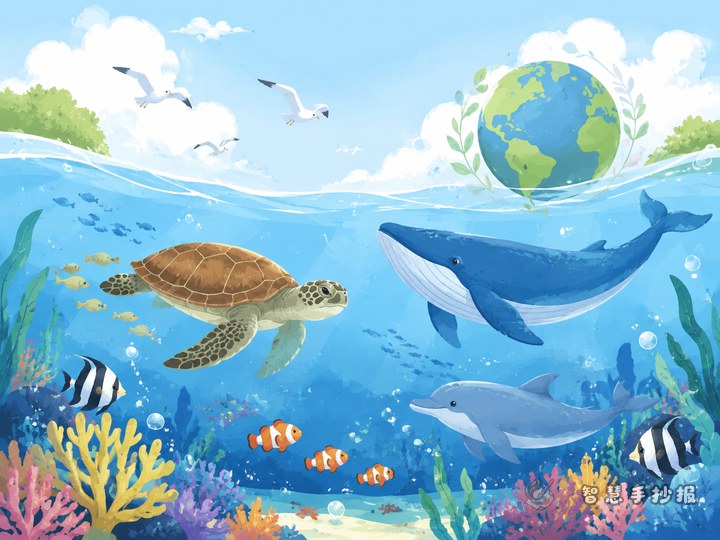
Choose two to four popular ocean animals such as dolphins, sea turtles, whales, coral, or clownfish. Give each one a short description to add both knowledge and visual interest.
- Dolphins are clever and active marine animals.
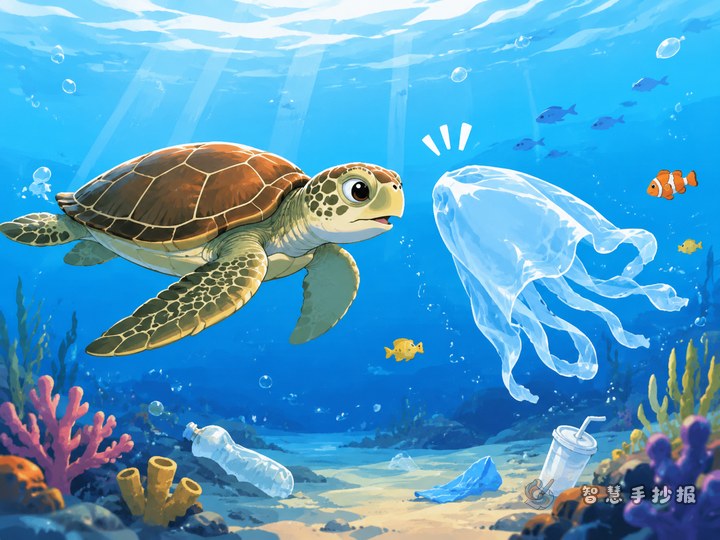
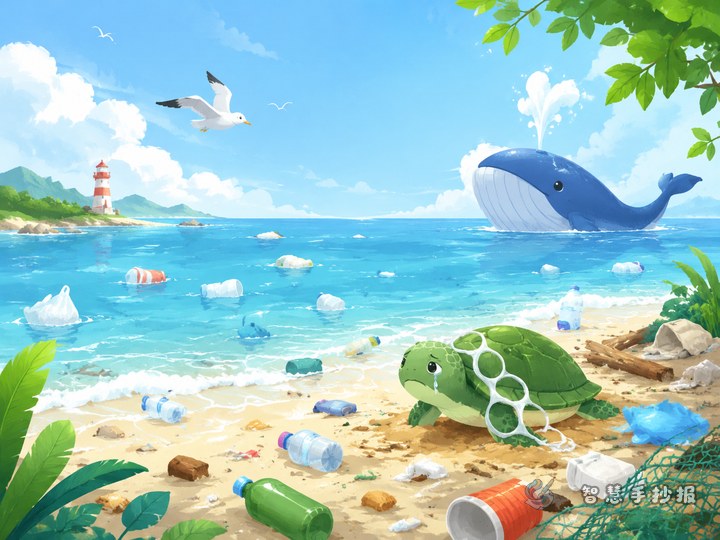
- Sea turtles can be harmed by plastic waste.
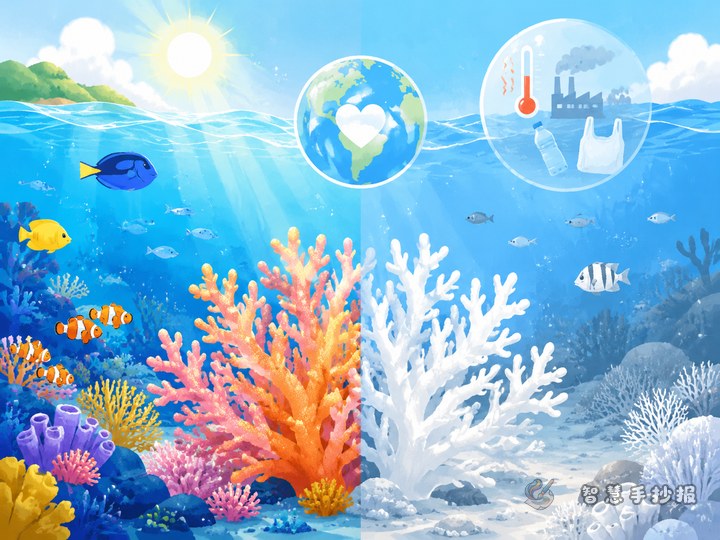
- Coral is important to ocean ecosystems.
Why the ocean needs protection
This is the key part of the theme. Write about plastic waste, dirty water, and overfishing in simple words that children can understand easily.
- Plastic bags and bottles can hurt sea animals.
- Litter pollutes beaches and sea water.
- Too much fishing can damage ocean balance.
Short text ideas students can copy
Poster text should be brief and strong. These lines work well in the main body, side notes, or closing section.
- The ocean is not a trash can. It is the cradle of life.
- Using less plastic means giving more care to the sea.
- Protect the ocean by starting with small daily actions.
- Saving sea animals means protecting our shared Earth.
- Keep the water blue and the ocean beautiful.
If there is extra space, add a small My Promise box with lines like “I will not litter,” “I will use less plastic,” or “I will join clean-up activities.”
A clean layout works better than a crowded one
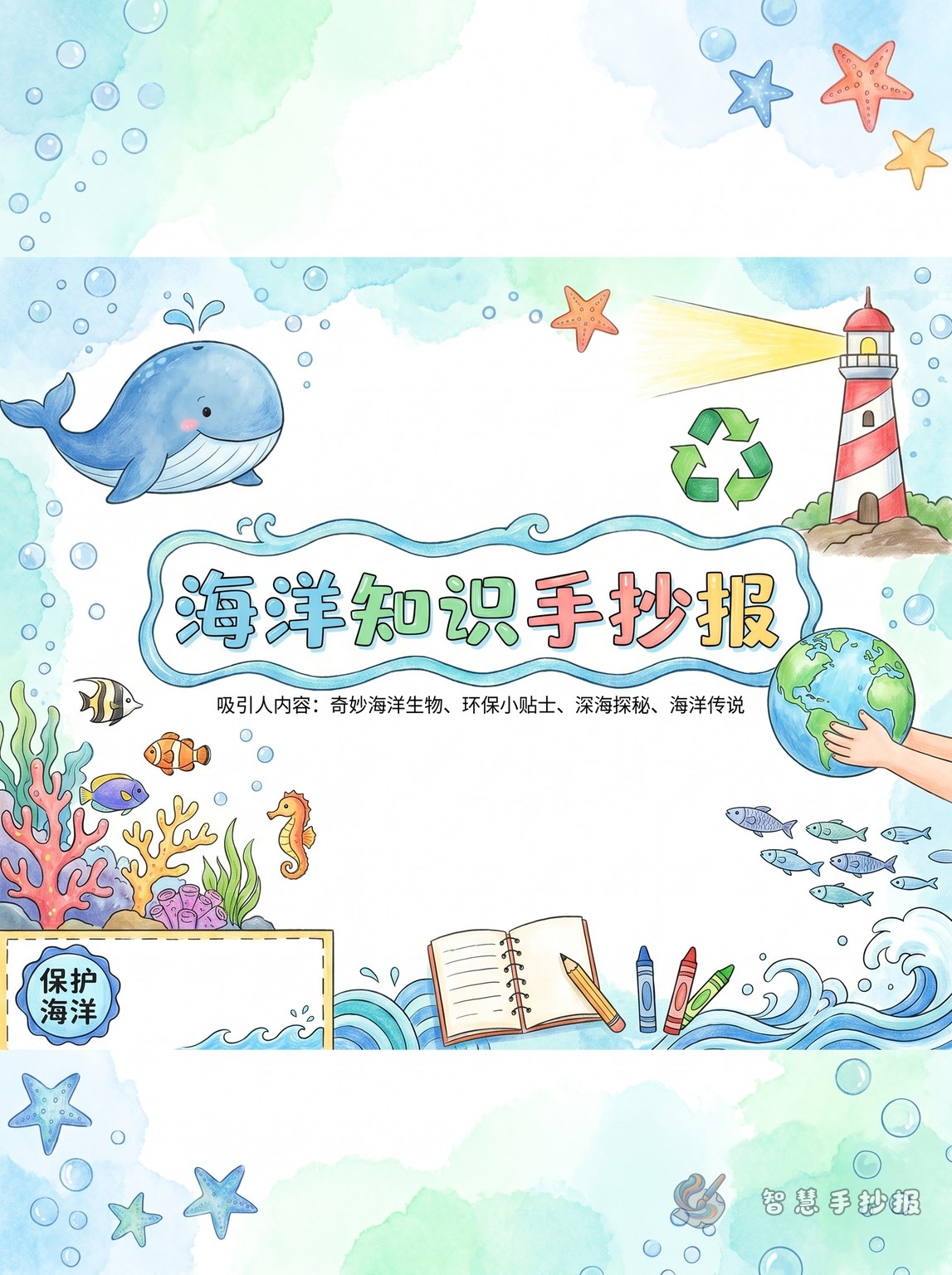
Ocean posters look best with blue, white, and greenish-blue tones. Place the title at the top and shape it with waves, shells, or bubble-style borders. The page can be divided into three columns or four small blocks for a neat and lively look.
- Title area: bold and easy to notice.
- Knowledge area: ocean facts and animal notes.
- Protection area: pollution problems and solutions.
- Action area: slogans, promises, or a short ending.
Do not fill every blank space. A little white space keeps the poster tidy. Simple drawings like fish, coral, boats, shells, and waves are enough.
Simple ways to make the poster stand out
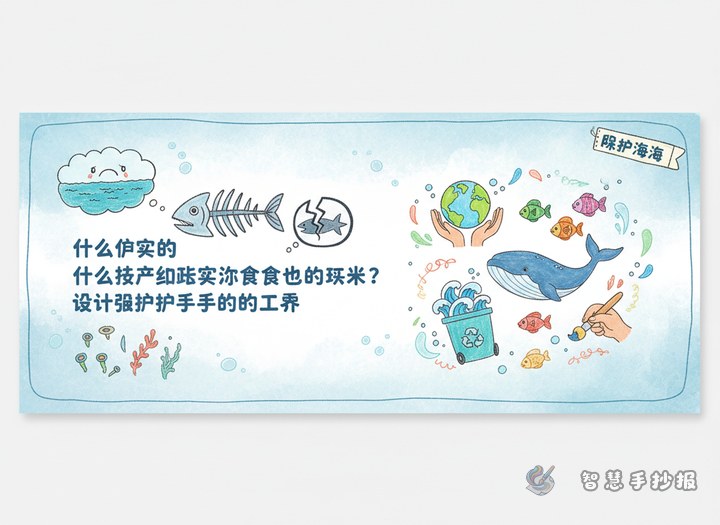
First, use a more interesting title, such as “Why Does the Ocean Need Our Help?” or “Protect the Blue Home of Life.” Second, keep each section to just a few lines. Third, highlight important words with bold headings or colored outlines. Fourth, add one personal sentence at the end to make the work feel complete.
If students or parents want to turn these ideas into a better organized poster, they can continue designing in the Smart Handwritten Newspaper WeChat mini program for more layout and title inspiration.