Build the Theme Around Nature's Reservoirs
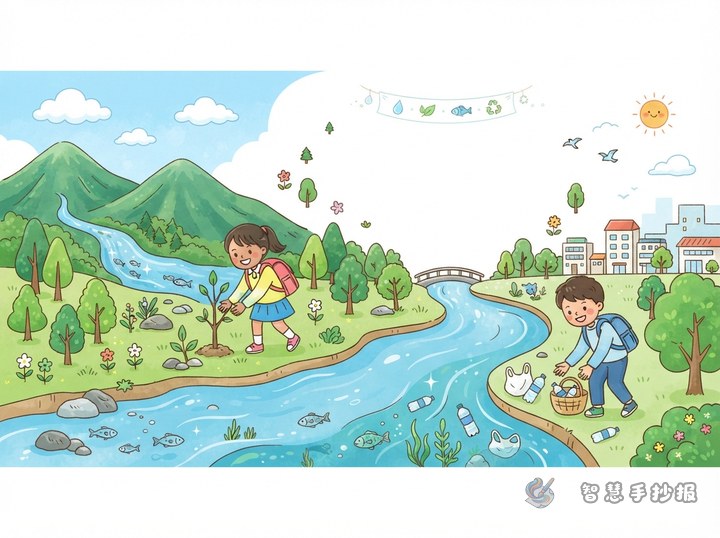
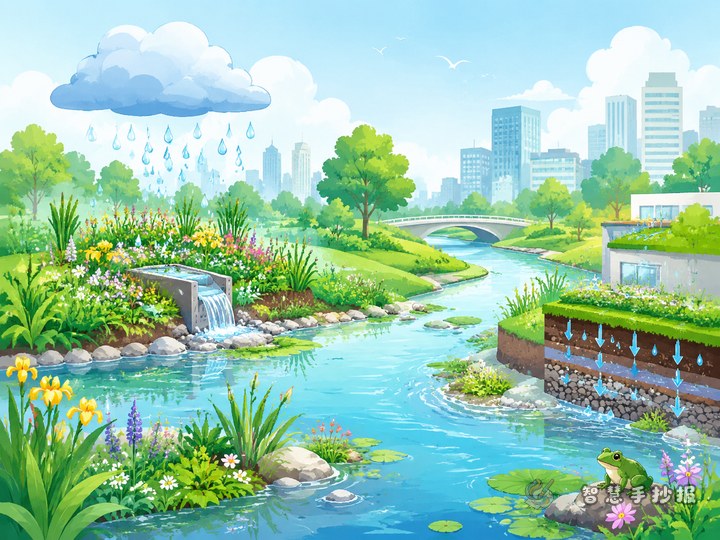
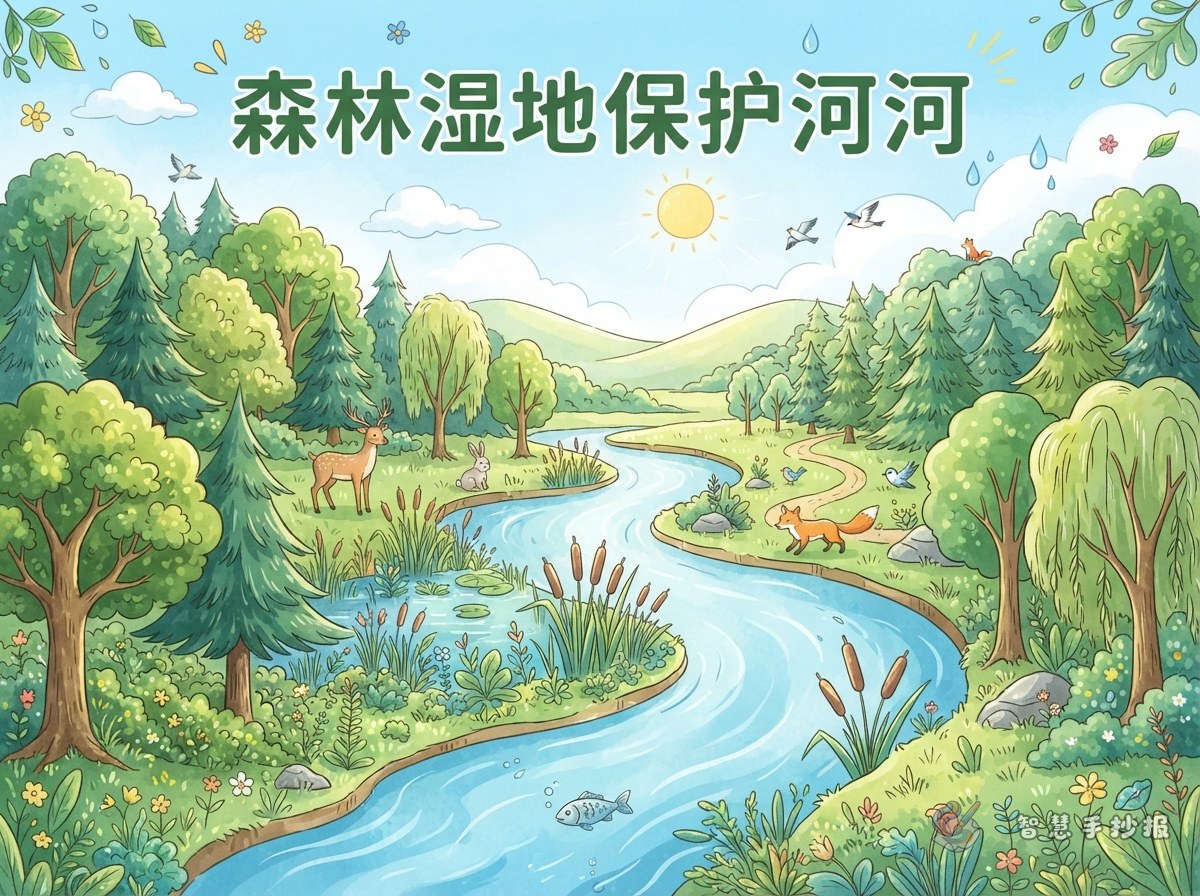
This poster can present forests and wetlands as two natural reservoirs beside a river. Tree canopies, leaf litter, and soil catch rainfall and help it soak into the ground. Wetlands temporarily hold water and provide habitats for many living things. Following rain from the forest through the wetland to the river gives the poster a clear story.
Show the Water Path with Simple Arrows
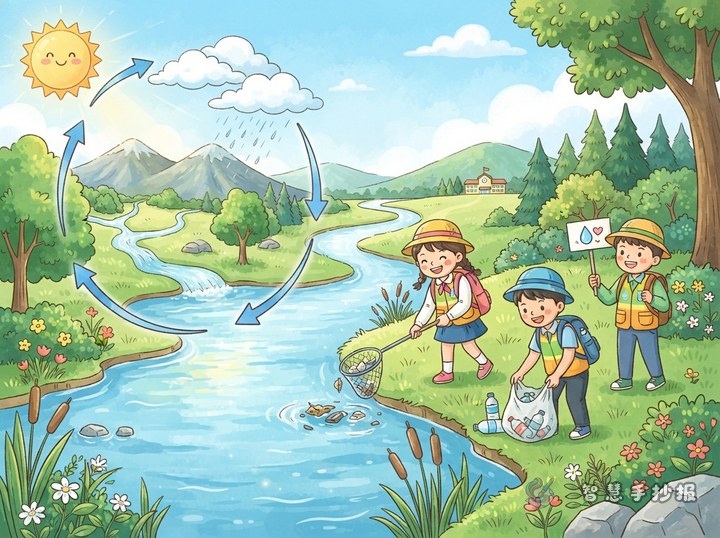
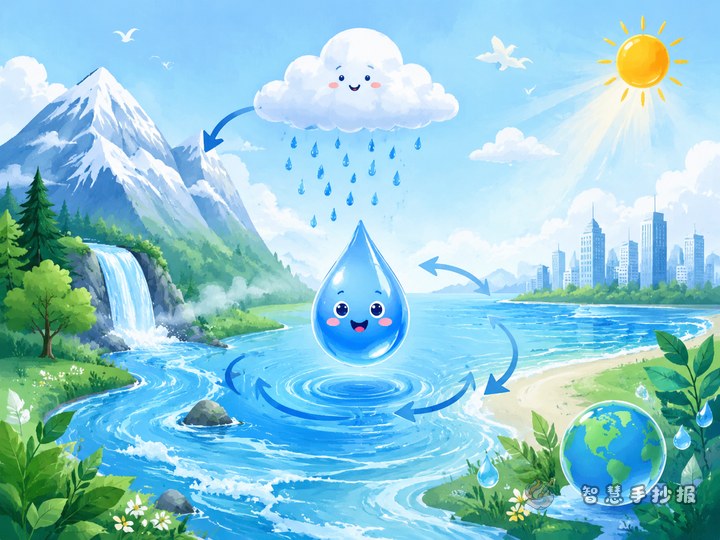
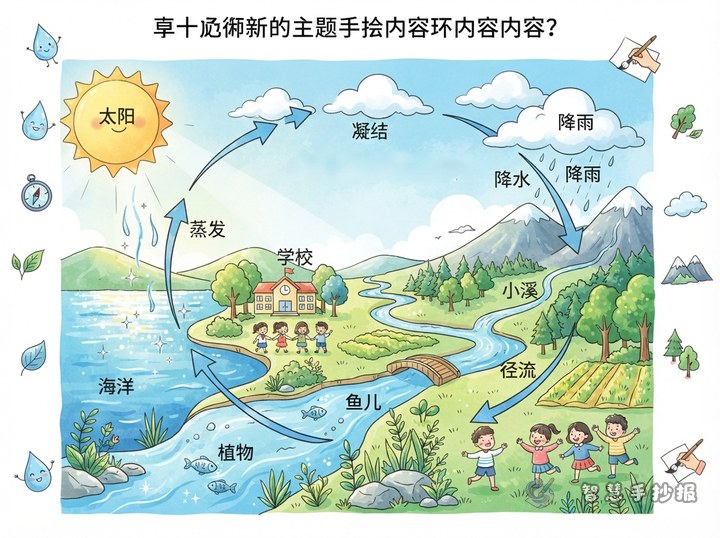
Draw a blue route from clouds to a river across the center of the page. Label the main stages:
- Precipitation: Rain and snow fall on forests, wetlands, and open ground.
- Interception and infiltration: Leaves and loose soil slow the rain, allowing some water to enter the ground.
- Runoff and recharge: Surface water and groundwater gradually feed streams and rivers.
- Evaporation and transpiration: Water returns to the air from water surfaces and plants.
Use dark blue for river water, light blue for rainfall, and green for the role of plants. A limited number of clear arrows will keep the cycle easy to follow.
Prepare Three Short Information Sections
How Forests Help Rivers
A forest works like an umbrella and a sponge. Its canopy reduces the impact of raindrops, roots hold soil in place, and the forest floor helps water soak in slowly. These effects can reduce the rapid movement of soil into rivers.
Why Wetlands Matter
Wetlands form a transition between land and water. They can receive and slow incoming water while providing habitats for fish, birds, insects, and aquatic plants. Protecting wetlands also protects important areas along rivers.
Actions Students Can Take
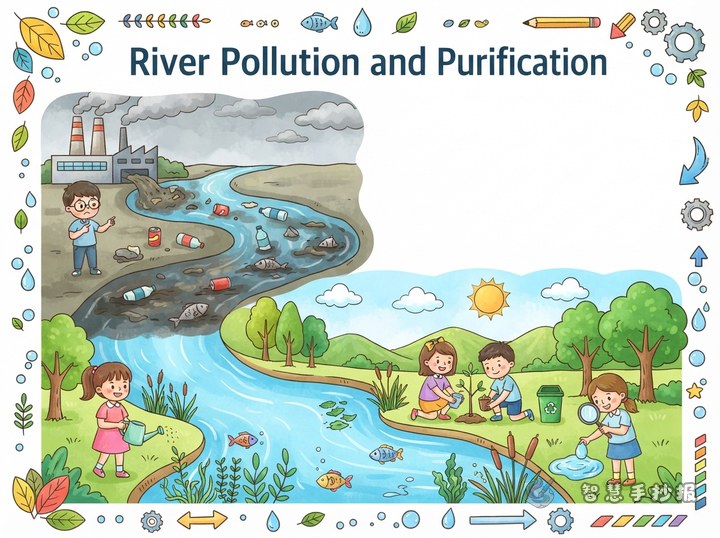
- Keep litter out of streams, lakes, and wetlands.
- Protect plants growing along riverbanks.
- Use water carefully and avoid unnecessary waste.
- Tell a teacher or parent when signs of water pollution are found.
Design the Page as an Ecological Cross-Section
A landscape layout works well. Place a forested slope on the left, a wetland in the middle, and a river on the right. Put the title across the top and carry the water-cycle arrows through the whole scene. Position each text section near the matching landscape area. Leaves, reeds, ripples, and small fish can decorate the border without crowding the writing.
Finish with a River Protection Message
A closing line such as “Protect forests and wetlands so clean rivers can keep flowing” connects the science to action. After planning the content, students and parents can continue in the Smart Handwritten Newspaper WeChat Mini Program to select a template, arrange sections, and refine the colors.