Treat the river like a friend who needs a check-up
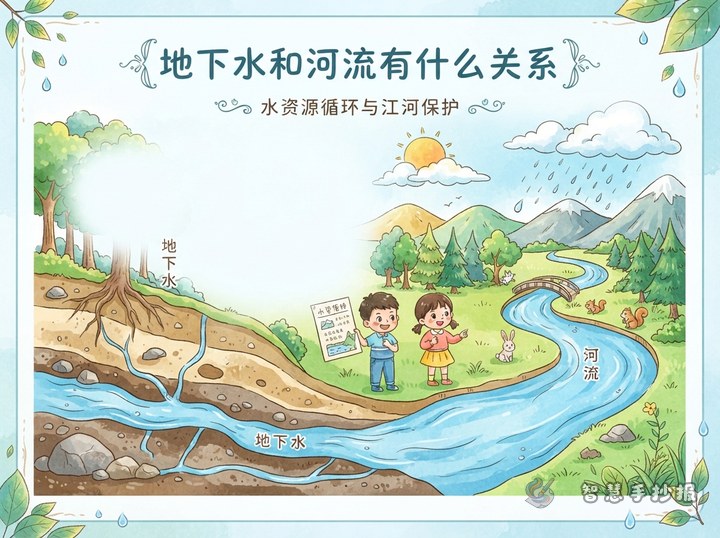
Many river posters repeat one message: do not litter. Try a different starting point. Imagine the river near your home is a friend who needs a health check, and the poster becomes that friend's health report. This naturally gives the page three parts: where the water comes from, how the river looks now, and what we can do to help.
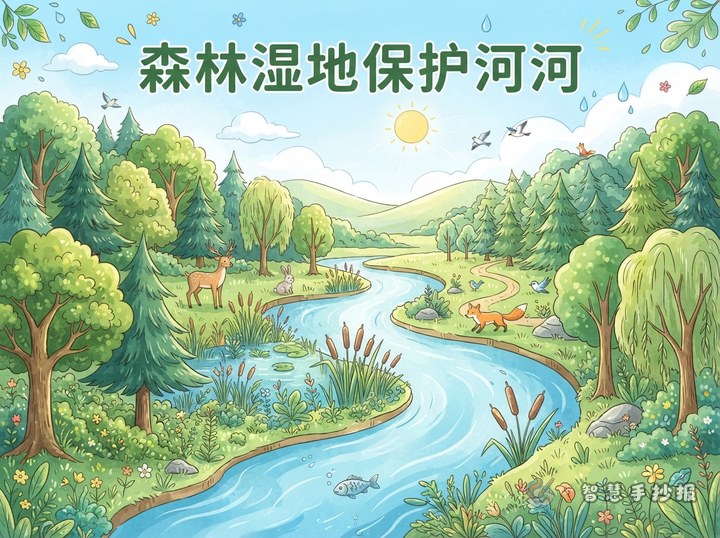
It is also a friendly angle for children who love drawing animals, because fish, water plants, snails and water birds can all become little inspectors on the page.
Let one river flow from left to right
Start with a wide band of water that curves from the upper left to the lower right. This single band becomes the spine of the whole page. Above it is sky and cloud, below it is bank and soil, and these three areas hold three kinds of content.
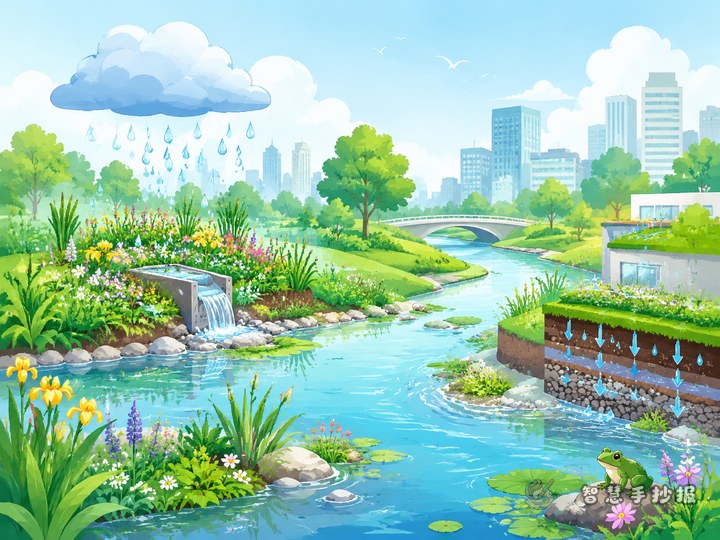
- Left side, where the water comes from: draw clouds, rain lines and a small stream joining the river, with a short note such as rain falls, gathers in streams and flows into the big river.
- Middle, the check-up area: give this the largest space and turn it into a lined river health table with a small box beside each row.
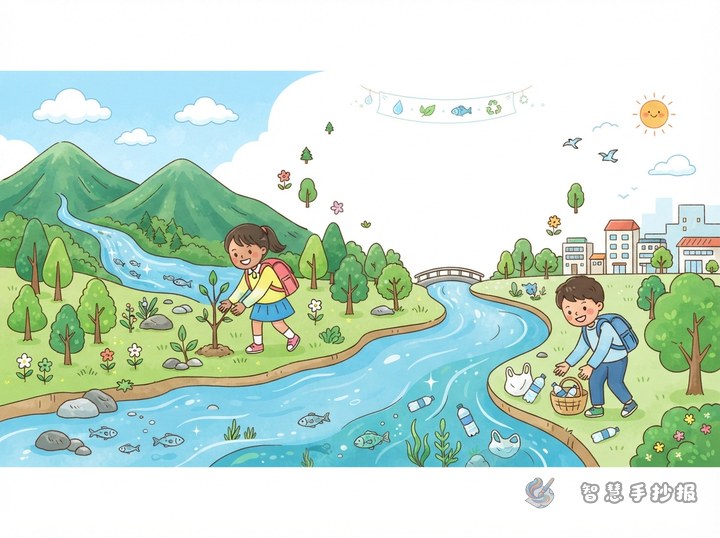
- Right side, the action area: draw a few hands or simple figures and list small river-care actions people can actually do.
A title like A Health Check for Our River, placed above the water band with a blue outline, looks cleaner than filling the top of the page with huge letters.
What to put in the observation boxes
How the water cycle changes the river
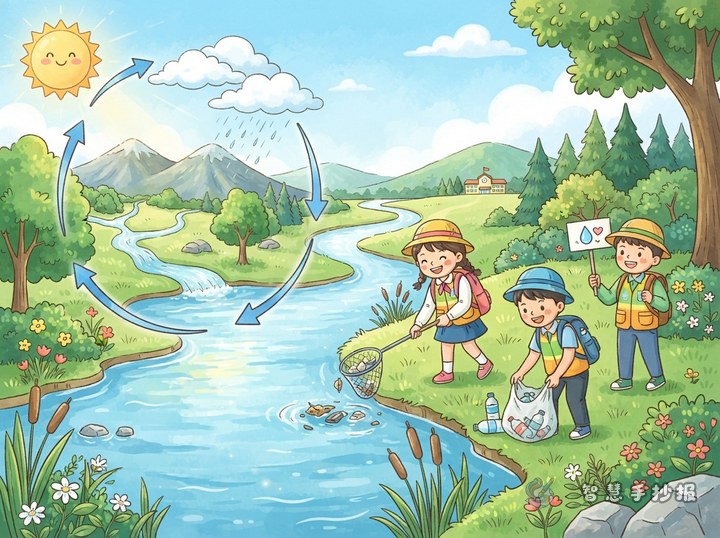
There is no need for a complicated cycle diagram. Simply explain that river water is always being renewed. The sun lifts water from the surface into the air, the vapor forms clouds, rain falls, and the water runs back through the ground and streams into the river. One dashed arrow and a sentence such as the water in a river never stays still will be enough.
What fish, water plants and floating litter tell us
This is the heart of the poster. Let children record what they really see instead of copying general statements.
- Water surface: any foam, oil, smell, or floating litter such as leaves and plastic bags.
- Water color: clear, green, grey or dark.
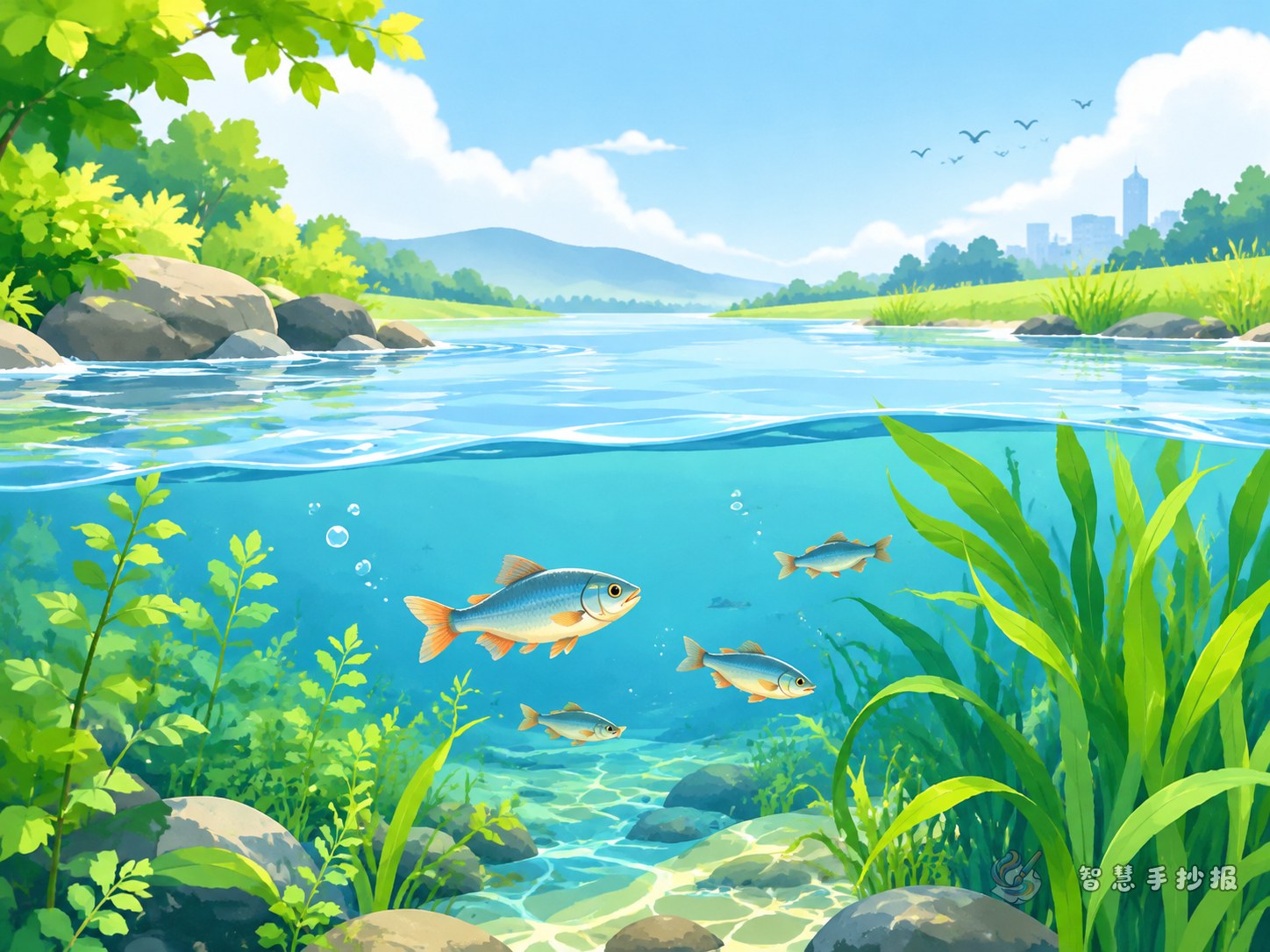
- Fish: small fish swimming in groups, only a few, or none visible.
- Water plants: scattered along the river or covering a large part of the surface.
- Riverbank: rubbish piles, pipes, or bare patches where grass has been trampled.
Put a small box after each row and mark it normal or needs attention. The poster then becomes an observation sheet a child can carry to the river.
Short lines that read as smoothly as a river
Long paragraphs are hard to fit on a poster. Pick a few of these lines and rewrite them in your own words.
- The fish are usually the first to know whether the water is clean.
- Too many water plants can be a warning, not a sign of health.
- Rain does not only bring water; it also washes the road into the river.
- The water here today will reach someone else's home tomorrow.
- Caring for a river starts small, even with one piece of litter.
If there is still space, add a small box called A Wish for Our River and write one sentence to the river. It often feels warmer than another block of explanation.
Drawing order and a few reminders
- Sketch the water band, the sky area and the bank in pencil, and check the proportions first.
- Place the title so it does not cover the center of the water band.
- Draw the lines of the health table, then add small decorations such as fish, plants and clouds.
- Write the text last, starting with the main title and section names.
A few common problems are worth avoiding: too many decorations, a page painted solid blue, and fish drawn in many different styles. Repeating one simple shape in one color looks much neater. If time is short, the WeChat mini program Smart Handwritten Poster offers river-themed layouts where the health table can be placed and printed for handwritten text.