Why narcissus fits a Winter Solstice page
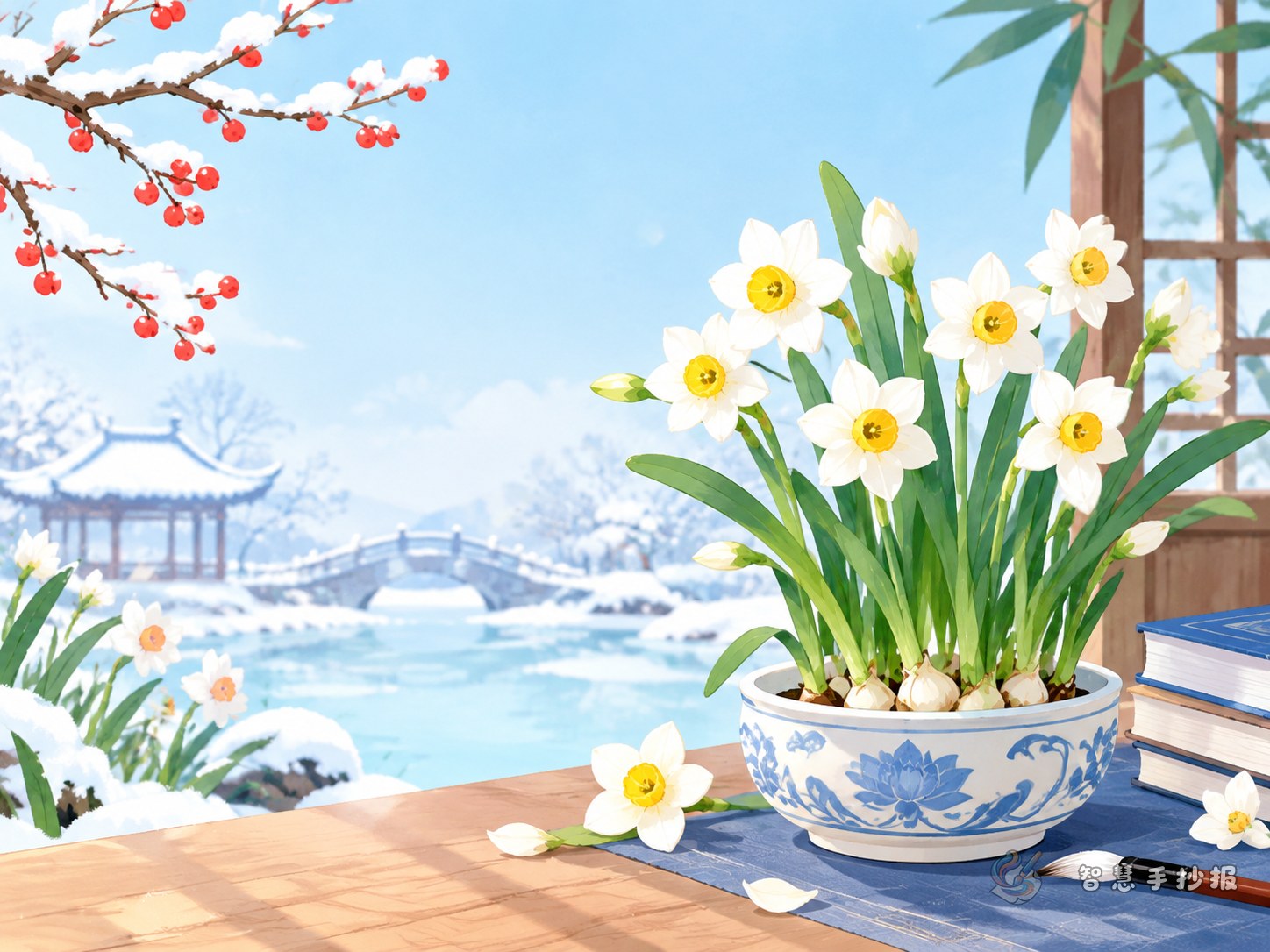
The Winter Solstice marks the shortest day and the longest night of the year. Right after it, narcissus is grown indoors in a shallow dish of clean water and opens near the Spring Festival. Because it needs no soil and still pushes out leaves and flowers, it is nicknamed the fairy who walks on waves, and it often appears alongside plum, camellia and winter jasmine in traditional New Year displays. Using it as the main flower keeps the page seasonal and avoids the usual plum blossom or lotus choices.
Text you can copy onto the page
Names and shapes
- Narcissus has several old Chinese names, including golden cup and silver dish and jade玲珑, which can be written as a row of small labels beside the pot.
- The name fairy who walks on waves comes from old poems describing a light figure moving across water.
- Single varieties look like a small golden cup on a white plate, while double varieties look like layered little pom-poms.
Winter Solstice connections
Write the two ideas together: the colder it gets, the more people want to bring spring indoors, and one pot of narcissus is the earliest sign of spring on the windowsill. Short sentences like this fit neatly into a text box.
Poetry lines
Choose only one or two lines about narcissus, not a whole block. A short line written beside the pot or on a small scroll shape gives the page an old-fashioned feel without crowding it.
Layout tips so it looks like a newspaper, not a plant chart
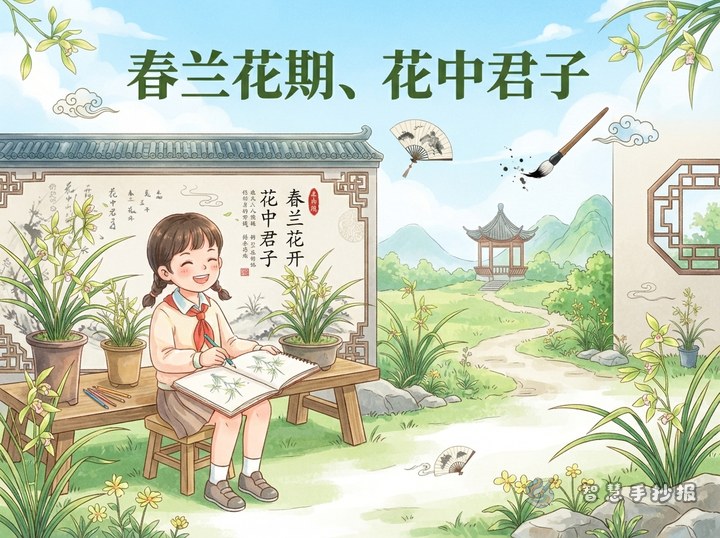
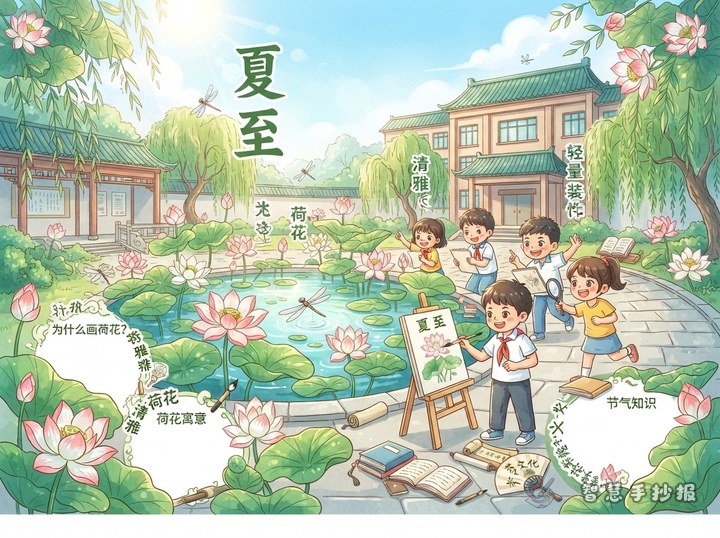
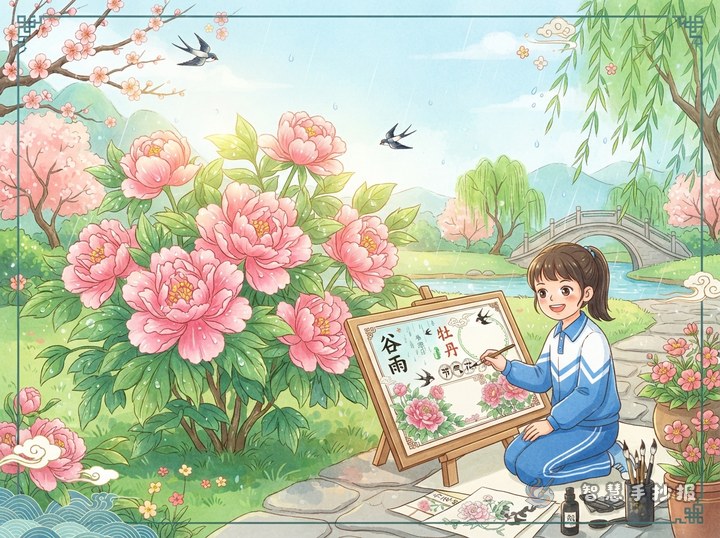
Many students draw a single flower in the centre and end up with something that looks like a botanical chart. Lightly mark a horizontal line first and divide the page into an upper and lower half or a left and right side. Let the narcissus grow from a corner or the bottom edge, with the stems following the edge of the page and the long leaves forming a narrow border.
- Main image area: two or three plants at different heights, with flower heads facing the title.
- Title area: shape the title into an arch or a fan between the stems instead of filling the whole top edge.
- Text area: use two boxes of different sizes, one for seasonal facts and one for customs and a greeting.
- Details: add pebbles, water ripples and leaf tips, and leave quiet white space rather than filling every gap.
How to divide the sections
A simple structure is one short paragraph, one set of bullet points and one greeting. The paragraph explains what the Winter Solstice is and why narcissus blooms then. The bullet points give names, care facts and blooming time. The greeting closes the page at the bottom.
- Season facts: shortest day, longest night, the start of the cold count.
- Flower facts: clean water, shallow dish, winter bloom that can stretch past the Spring Festival.
- Observation notes: how often the water is changed, where the pot sits, when the first bud opens.
Drawing order and finishing touches
Sketch the title, main image and text boxes lightly in pencil, then draw the leaves and flowers, and write the text last. Narcissus leaves are long and thin; a ruler makes them stiff, so pull each one in a single stroke with a slight curve. Use a deeper green for leaves, leave the petals white, dot the centre with pale yellow, and paint the pot and water in a very light blue-grey. When the writing is finished, check that the title and date are there, then fill only the emptiest spot with a grass blade or a few small stones.
If you would rather start from a ready-made layout, open the WeChat mini program Smart Handwritten Newspaper, choose a design under traditional seasonal flowers, and replace the text with your own Winter Solstice and narcissus notes.