Make the theme feel like a living record
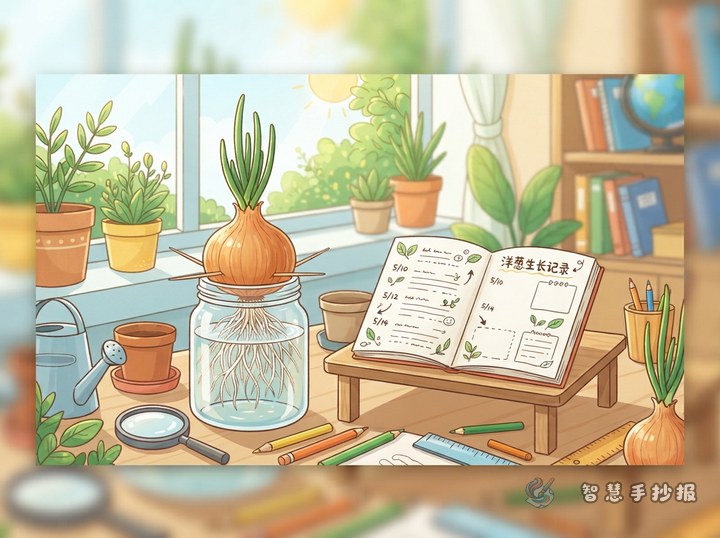
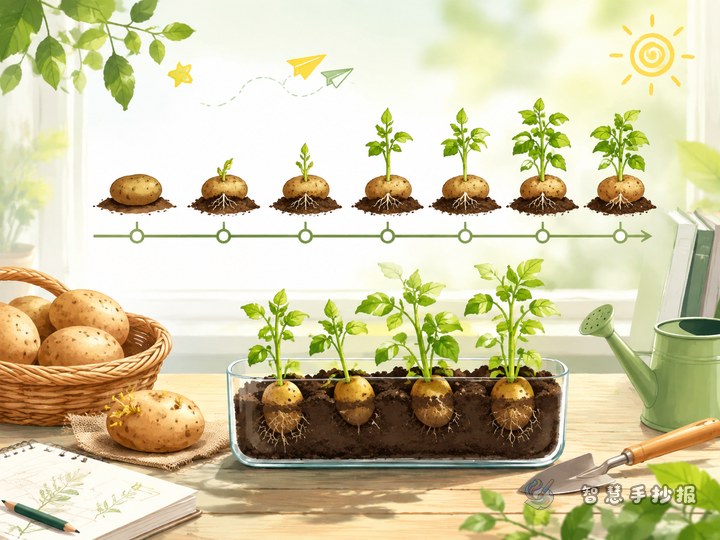
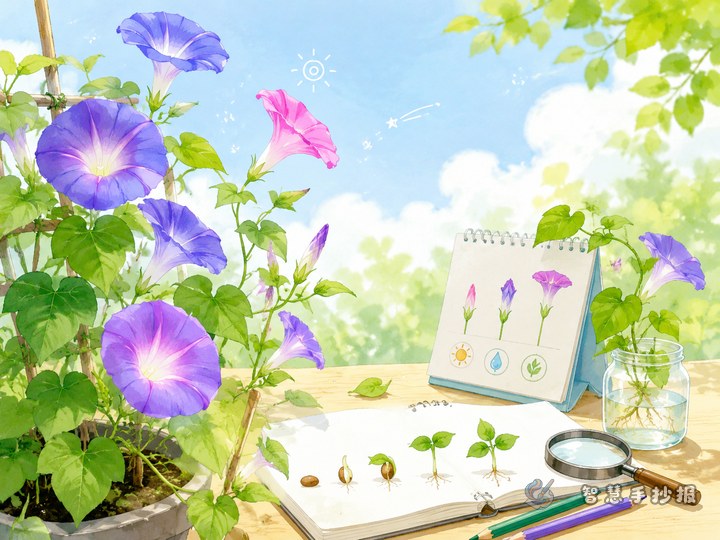
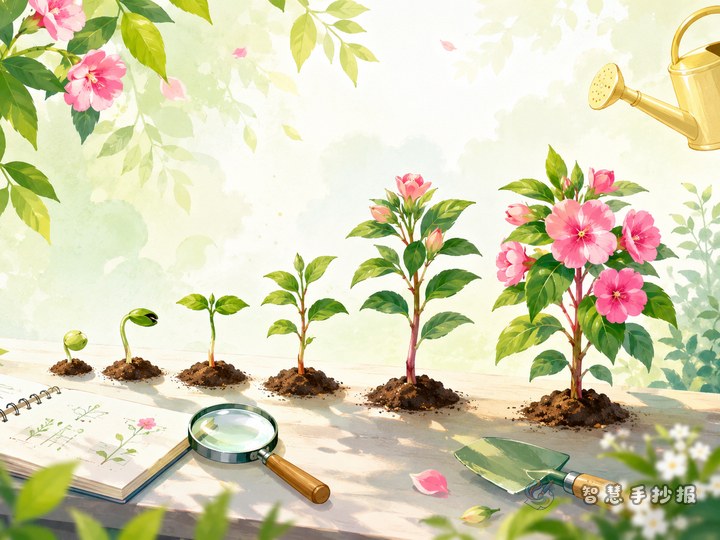
A tomato seedling poster should focus on growth, not just general plant facts. The key is to show how the plant changes step by step. Titles such as “Tomato Seedling Growth Diary” or “My Tomato Seedling Observation Record” make the purpose clear and help shape the whole page.
What to record on the poster
- Planting day: when you sowed the seeds and what container or soil you used.
- Sprouting stage: how many days it took to sprout and what the first shoot looked like.
- Seedling growth: whether the stem became taller and whether more leaves appeared.
- Care routine: watering, sunlight, airflow, and transplanting.
- Special discoveries: for example, the leaves look stronger in sunlight or droop a little when the soil is dry.
Even short notes can make the poster feel real and meaningful.
Simple sections that still look organized
You do not need too many sections, but each one should have a clear purpose. A useful structure could be:
- Getting started
- Growth timeline
- My observation notes
- Care reminders
- What I learned
You can also use child-friendly section names like “Did it grow taller today?” or “More leaves again!” to make the poster lively and suitable for primary students.
Useful writing lines for the page
Observation lines
- I checked the soil every day after planting to see if anything had changed.
- After sprouting, the thin stem slowly stood up straighter.
- As time passed, the seedling grew more leaves and looked greener.
- With enough sunlight, the tomato seedling looked more energetic.
- This observation taught me that plants need patience and careful care.
Closing lines
- I found that plants change a little every day.
- Careful recording helps us notice real growth.
- This small seedling taught me how to observe patiently.
Layout ideas that highlight the observation process
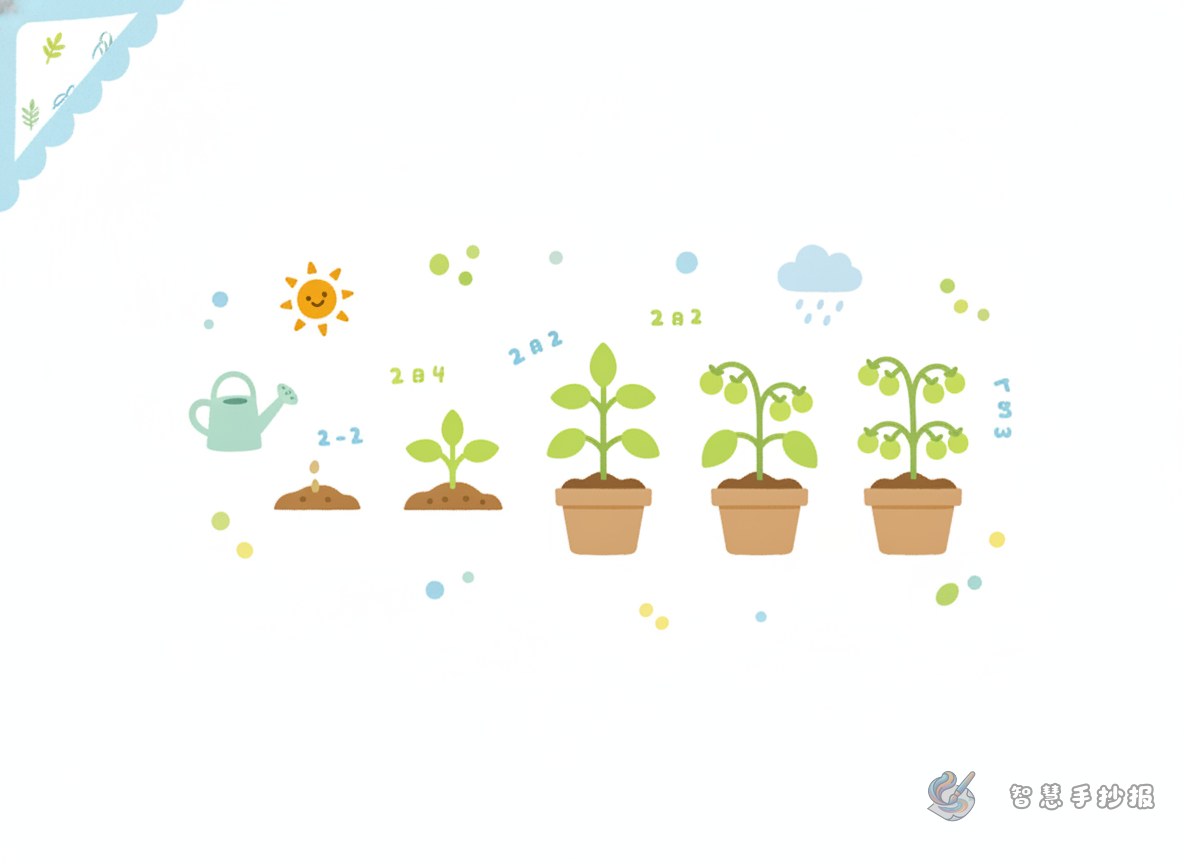
Place the title at the top, then use a timeline across the middle of the page to connect different growth stages. You can also divide the page into four boxes: planting, sprouting, leaf growth, and care. Decorations like tomatoes, leaves, watering cans, sunshine, and flowerpots make the theme feel unified.
Green, red, and light yellow work well together. Keep each section short and readable so the page feels clean instead of crowded.
A better ending for the poster
Instead of ending with only “I was happy,” write about your biggest discovery, the most memorable day, or what you want to keep observing next. That makes the whole poster feel more complete and personal. If you already have your tomato seedling ideas ready, you can continue organizing the title, sections, and layout in the Smart Handwritten Newspaper WeChat mini program.