Start with a clear focus for the poster
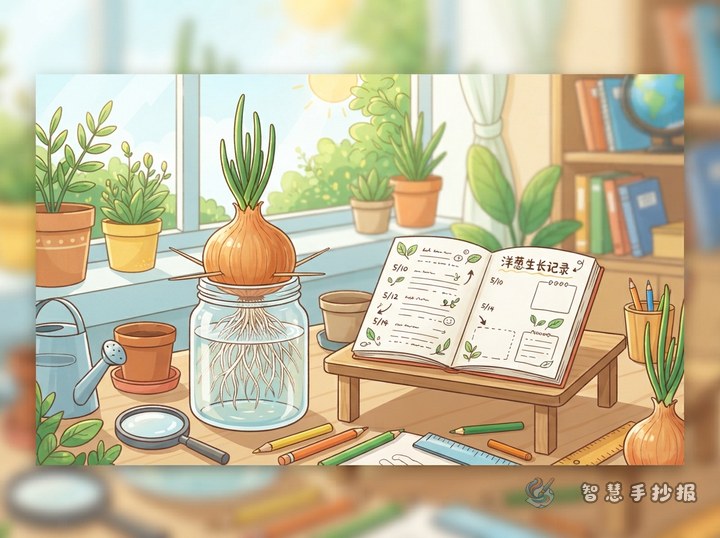
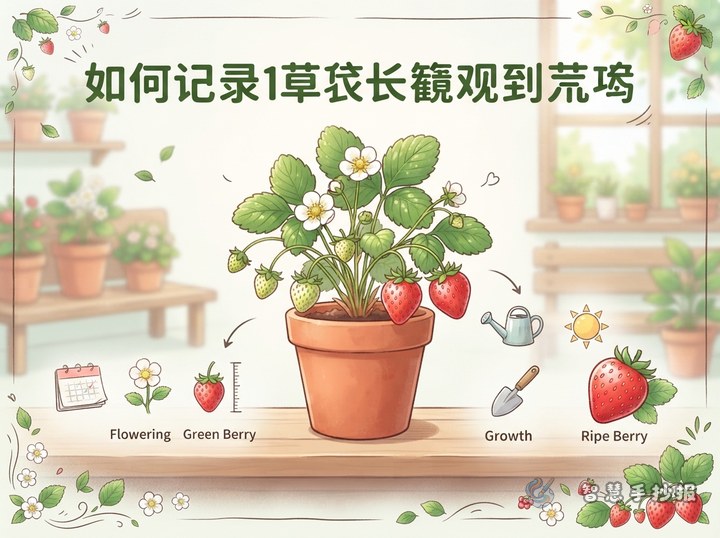
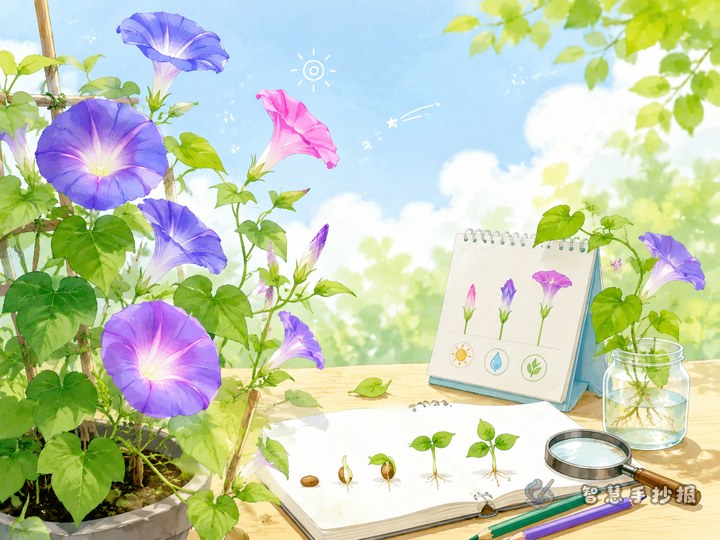
A garlic hydroponic observation poster should focus on how the plant grows over time, not just on general facts about garlic. A simple and effective idea is to show how you planted it, what changed each day, and what you learned from watching it grow.
For students, the best poster is not the one with the most words, but the one with clear sections and easy-to-follow observations. Keeping the process in time order makes the whole page more understandable.
What content works best on this topic
1. Planting setup
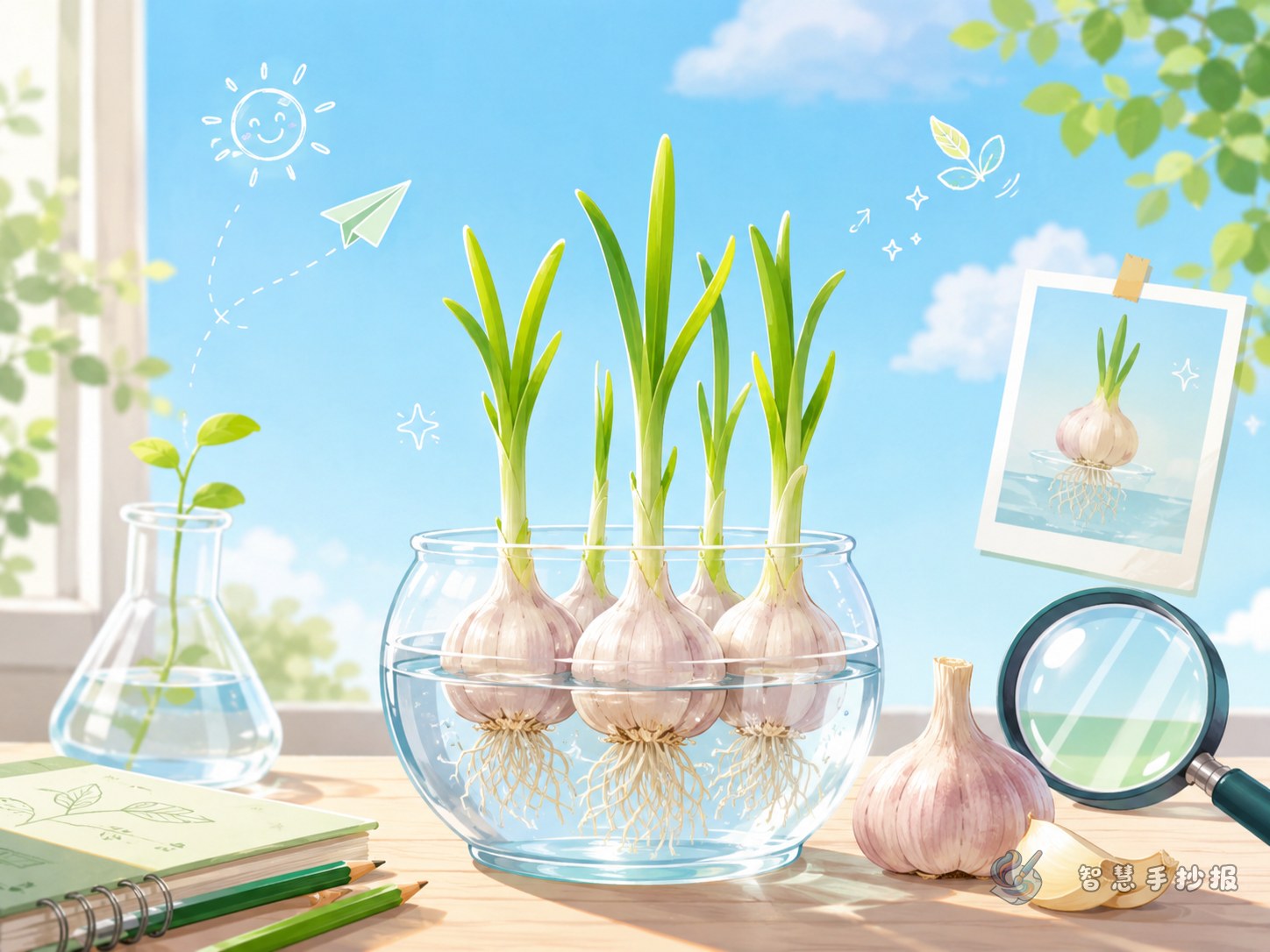
- Materials: garlic cloves, a clear cup or bowl, clean water
- Method: let the bottom of the clove lightly touch the water
- Location: place it by a sunny and airy window
2. Observation record
- Day 1: the garlic looks full and pale, with no obvious change
- Day 3: small white roots begin to grow at the bottom
- Day 5: green shoots appear and slowly grow taller
- Day 7: more roots develop and the leaves become longer
3. What I discovered
- Garlic can grow in water
- Sunlight helps the leaves grow faster
- Changing the water keeps the roots cleaner
Useful sentences you can place on the poster
Opening sentence: I placed several garlic cloves in a clear cup with a little water and began my hydroponic observation.
Observation sentence: After a few days, tiny white roots appeared at the bottom. Soon after that, green shoots grew from the middle and became taller each day.
Reflection sentence: Through this observation, I learned that plants need time to grow and careful recording helps me notice small changes.
These lines can be used directly or adjusted to match a real classroom observation.
A layout idea that makes the process easy to read
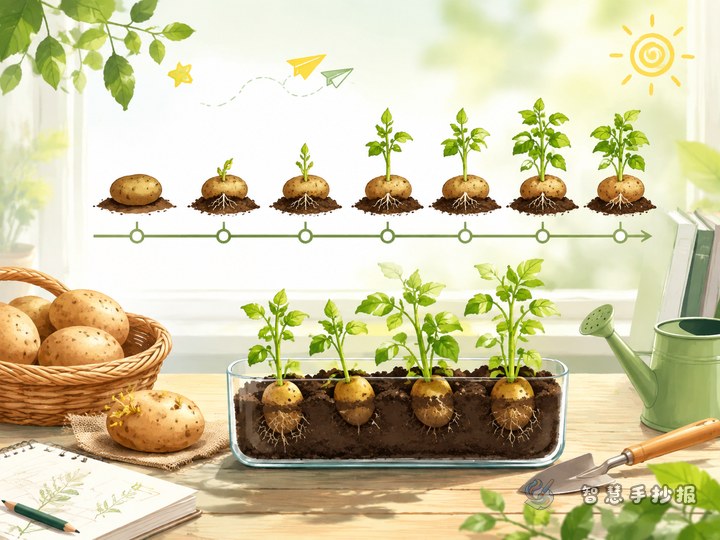
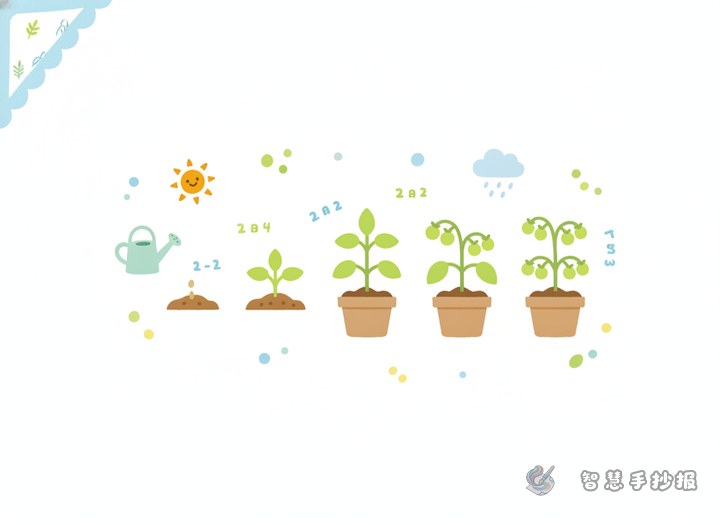
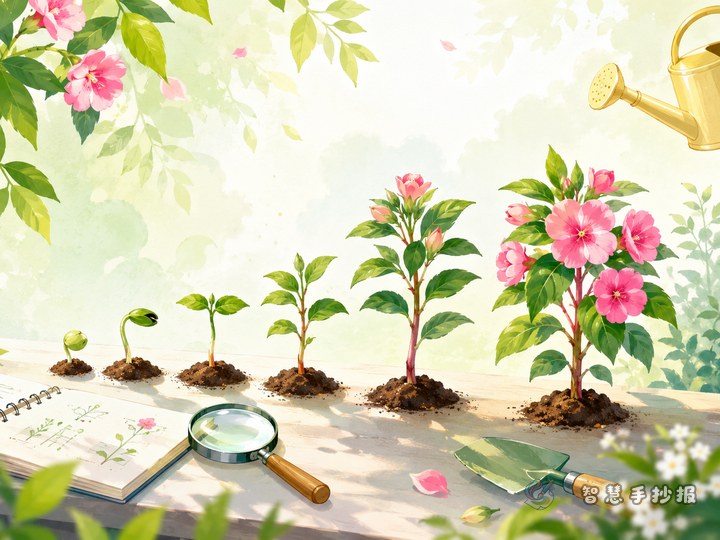
This topic works especially well with a timeline layout. Put the title at the top, then arrange Day 1, Day 3, Day 5, and Day 7 from left to right or top to bottom. Add one short note next to each stage so readers can quickly understand the growth process.
You can also divide the page into four blocks: planting steps, daily changes, garlic facts, and my reflection. Small decorations such as garlic cloves, roots, green leaves, water drops, and sunshine can make the poster look lively and neat.
Simple tips to make the poster better
- Use clear time words such as “Day 2,” “after three days,” or “one week later.”
- Describe visible changes like root length, leaf color, and shape.
- Keep the language short and easy for a handwritten poster.
- Leave enough space for drawings, borders, and labels.
If you already have your notes and want to turn them into a cleaner page, you can continue designing in the Zhihui Shouchaobao WeChat mini program.