Choose the treasure before designing the page
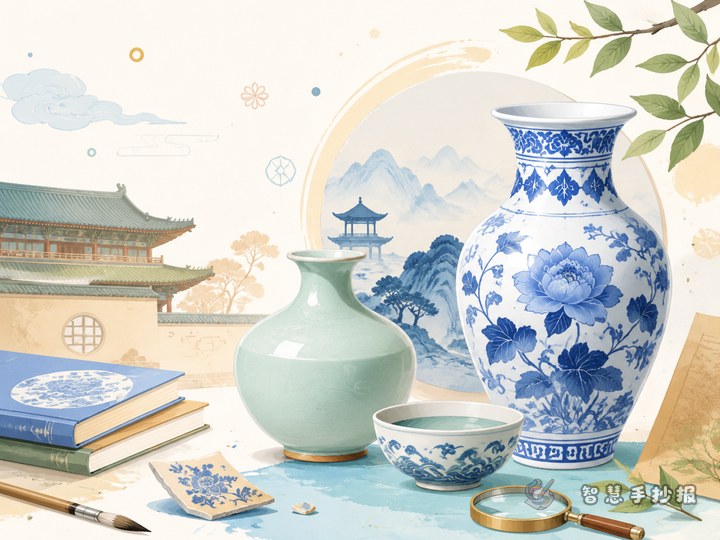
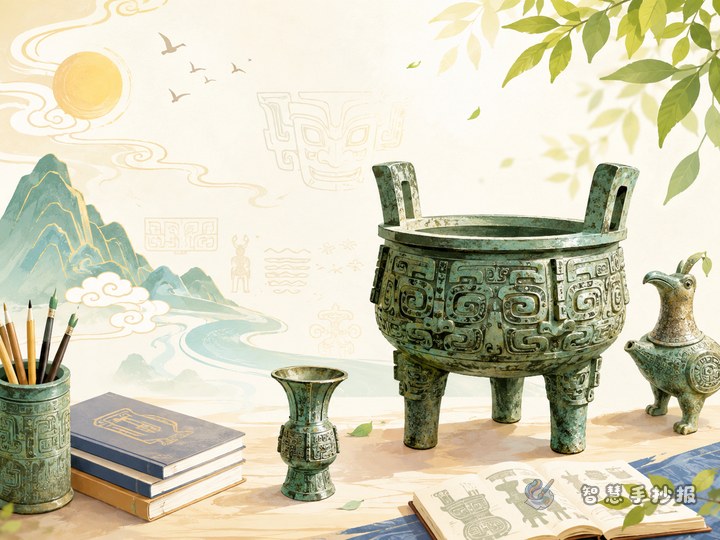
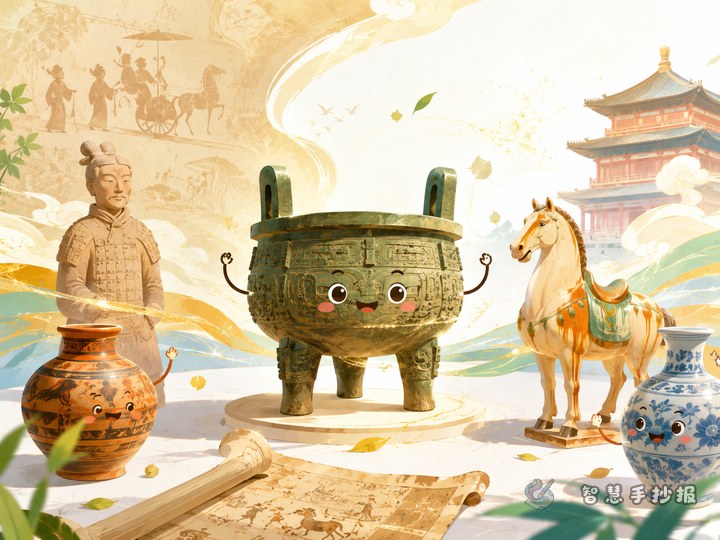
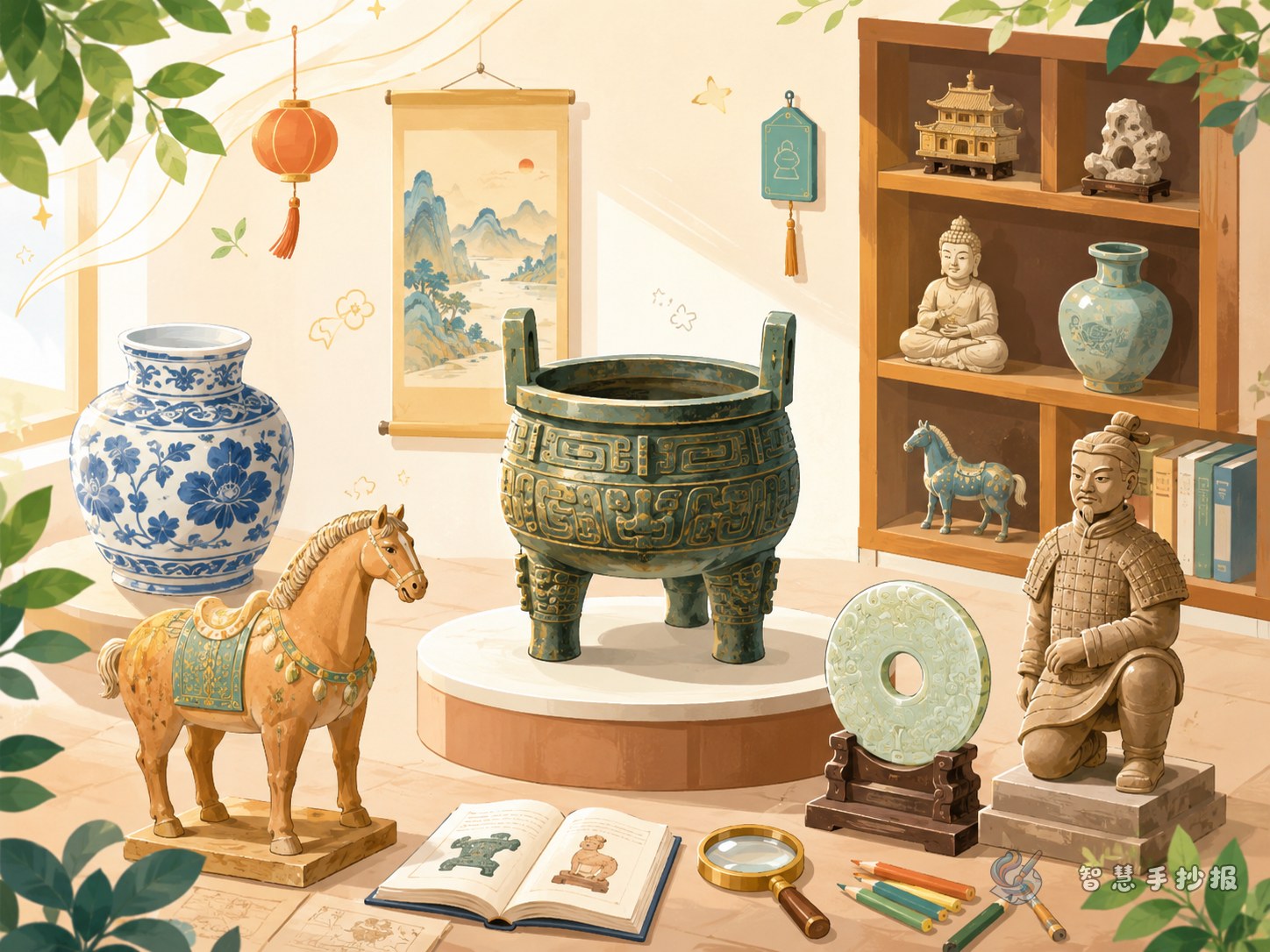
The easiest way to make this topic clear is to pick one central artifact first. It could be a jade object, a painted pottery piece, a bronze vessel, or a famous scroll. Once the main object is chosen, the whole handwritten newspaper becomes easier to organize.
If one artifact feels too limited, you can use one main treasure and two smaller supporting artifacts. This gives the page more variety without losing focus.
Useful sections to include
Artifact profile card
- Name of the artifact
- Time period or dynasty
- Material and craft
- Place of discovery or museum collection
- Main visual features
This section helps readers quickly understand the basic facts.
Why it is a museum treasure
This is where students explain the real value of the object. It may show advanced craftsmanship, represent an important historical era, or reveal details about daily life in the past.
The story behind the object
Keep this part short and lively. You can mention how it was found, what period it belonged to, or what kind of history it helps us remember. A short story is better than a long textbook-style paragraph.
How to make the writing simple but meaningful
A good method is to combine visible features with cultural meaning. First describe what the artifact looks like, then explain why it matters.
- Appearance: ancient in color, fine in pattern, and balanced in shape.
- Craftsmanship: the details show the skill and patience of ancient makers.
- Historical value: it is not only an old object but also a key to understanding the past.
- Personal response: when I looked at it, I imagined life hundreds or even thousands of years ago.
Try a gallery-style page layout
This theme works especially well when the page looks a little like a museum hall. Put the title and main artifact in the center, and arrange the sections around them like exhibit labels.
- Top: title and subtitle
- Center: drawing space for the main artifact
- Left: artifact profile
- Right: historical background or story
- Bottom: what I learned, reflections, and museum facts
Colors such as cream, bronze green, clay brown, and deep red can create a calm historical feeling. Small border details inspired by seals, patterns, or scrolls also fit the topic well.
Small details that make the work stand out
- Add a short question like “What was this used for?” to create interest.
- Include a simple then-and-now comparison.
- Write a few lines as if you were a museum guide.
- Use a mini timeline to connect the artifact with its historical era.
These small touches can make the handwritten newspaper feel richer and more thoughtful without adding too much text.
Final checklist before finishing
Before you complete the page, check whether the main artifact is clear, the writing is short and accurate, the sections are balanced, and the colors are consistent. A well-focused page usually looks better and reads more smoothly.
If you already have the idea and want to improve the arrangement further, you can continue creating in the Zhihui Shouchaobao WeChat mini program.