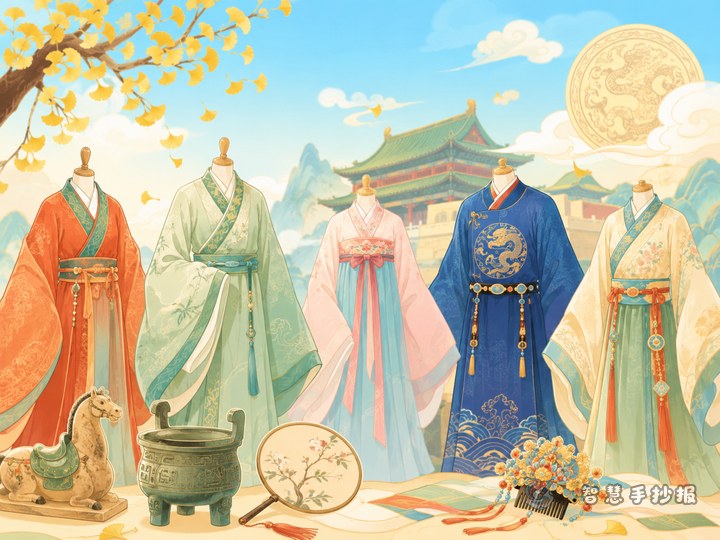
Build the page around the idea “If Artifacts Could Speak”
For a museum-themed handwritten newspaper, you do not need to include everything from a museum visit. A focused idea works much better, such as “If bronze ware could speak,” “A relic’s diary across a thousand years,” or “The national treasure I most want to protect.” This makes the page more vivid and easier to organize.
You can use a lively main title and add a smaller subtitle related to museums, cultural relics, and history. That helps the theme feel clear and student-friendly.
Four sections are enough for a rich layout
- Treasure Profile: Write the artifact’s name, period, material, and purpose in short, simple lines.
- The Story Behind the Relic: Add a brief historical story connected to the dynasty, people, or daily life of that time.
- What I Learned from History: Share what the artifact teaches about ancient wisdom, customs, craftsmanship, or beauty.
- How We Can Protect Cultural Relics: Mention respectful museum behavior and the importance of learning history seriously.
If you have more space, add a small “Museum Fun Facts” section, such as why some artifacts have patterns or why relics are displayed behind glass.
Ready-to-use writing material
You may begin with: A museum is like a bridge between the past and the present. Although cultural relics cannot really speak, they record the growth of history, the changes of life, and the passing on of civilization. Behind every artifact is a story worth listening to carefully.
For the middle part, write: Some relics show the wisdom of ancient labor, some reflect old rituals and social rules, and some reveal the pursuit of beauty in earlier times. By observing shapes, patterns, and functions, we can understand history in a more vivid way than simply memorizing dynasties from textbooks.
You may end with: Visiting a museum is not only about looking at old objects. It is also about learning to respect history and cherish culture. Protecting relics means protecting the memory of civilization.
Create a page that feels like an exhibition hall
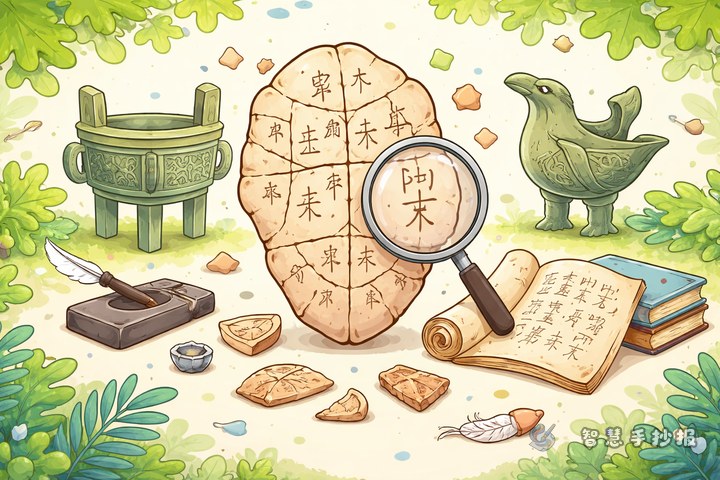
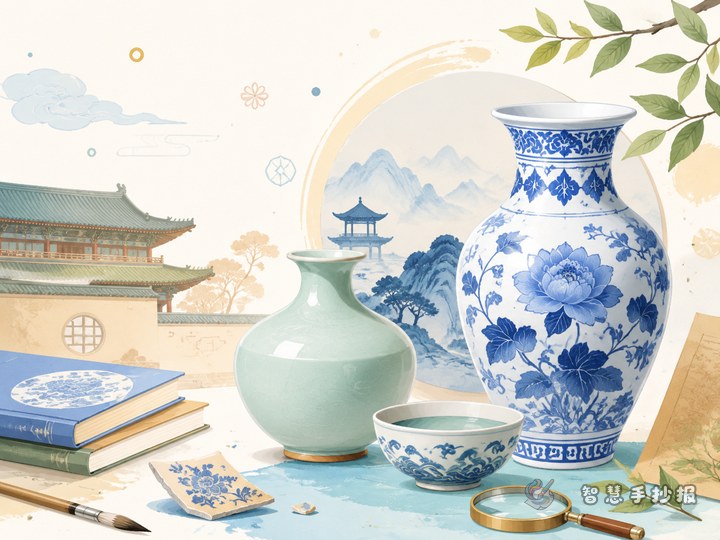
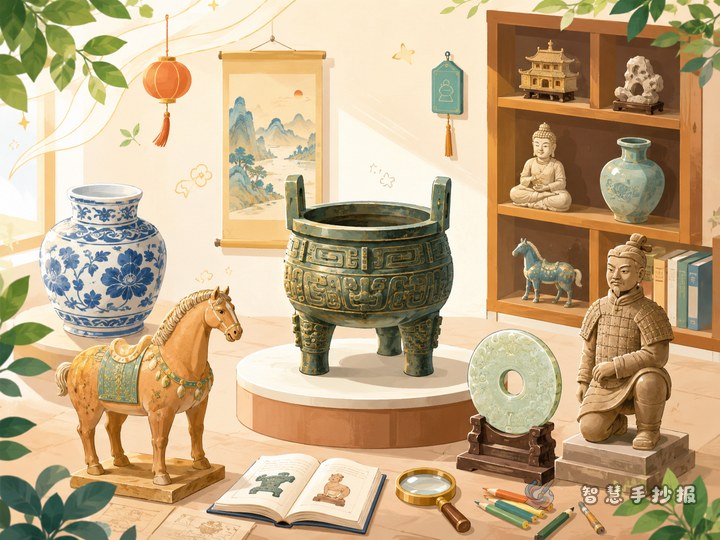
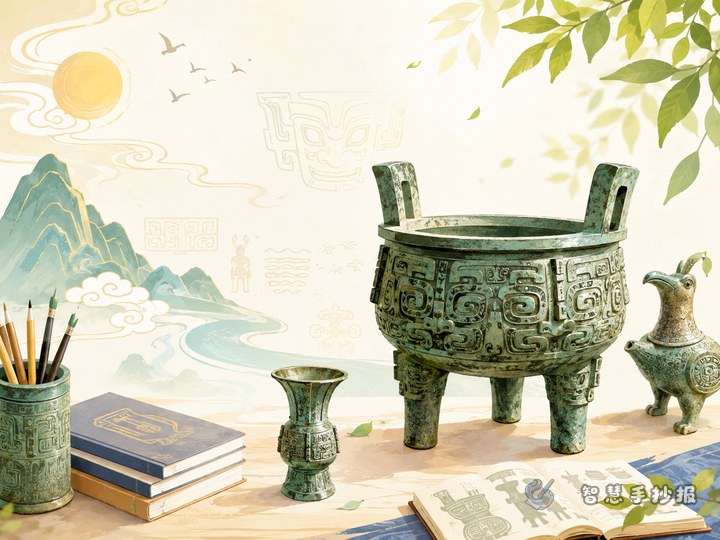
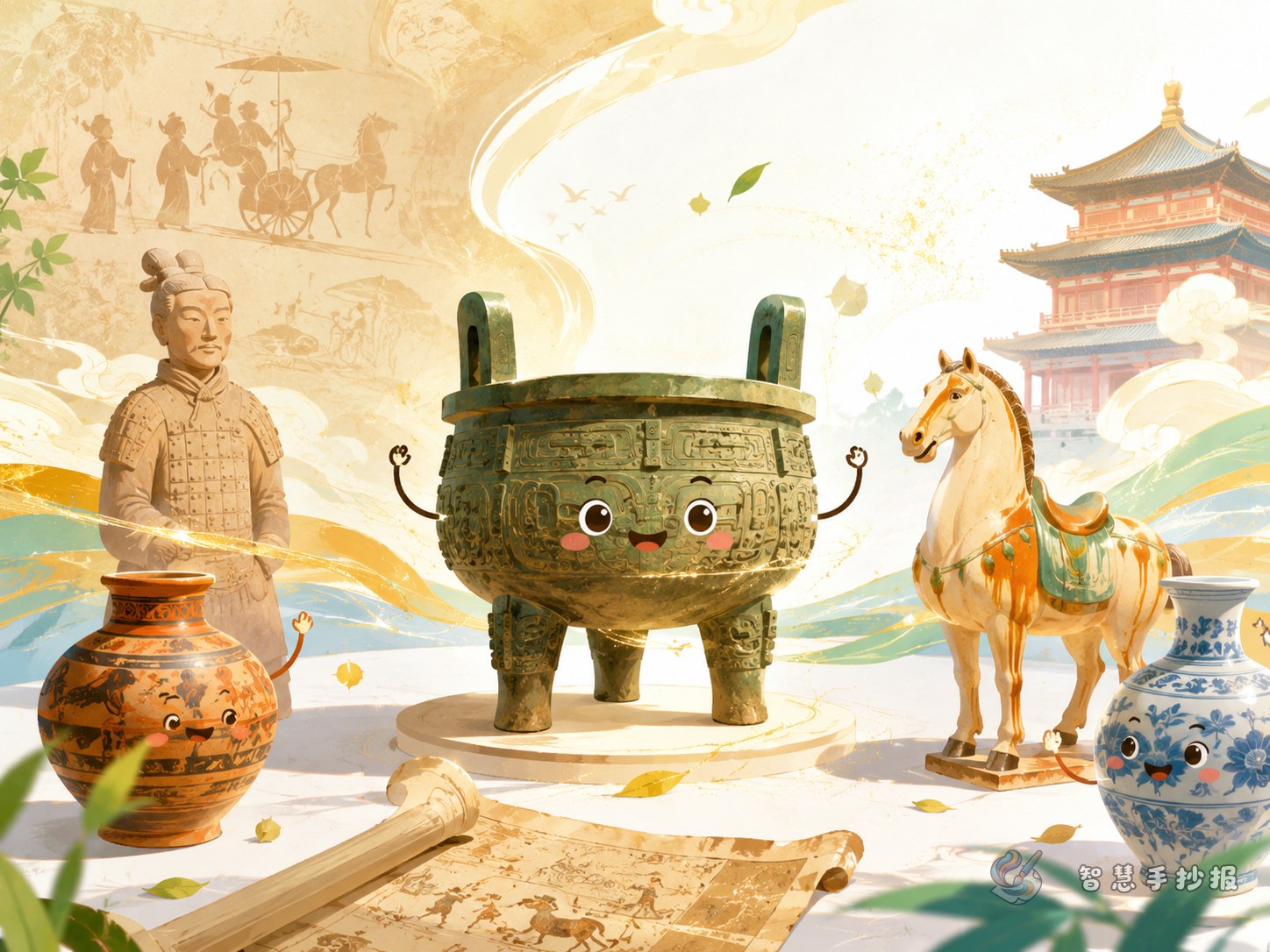
A good layout is to place one main artifact in the center and arrange smaller content boxes around it. You can draw a bronze vessel, porcelain vase, jade item, or ancient scroll as the visual focus. Then divide the rest of the page into neat sections with clear headings.
Decorations can include showcase-style frames, scroll borders, cloud patterns, window motifs, or traditional designs. Good color choices are brown, teal green, beige, and muted red. This gives the work a calm and historical look without making it feel dull.
An easy workflow for students
- Choose one artifact as the main focus.
- List three or four small sections before writing.
- Sketch the title and page blocks first, then add drawings and borders.
- Copy the final text neatly and highlight key words with color or bold writing.
If you are unsure about layout, draft the structure on scrap paper first. If you want to keep improving the title, sections, and page design, you can also continue making your work in the Zhihui Shouchaobao WeChat mini program.