Choose a clear angle for the poster
If you want an anti-fraud handwritten newspaper that feels practical and easy to understand, focus on the topic “Why should we never tap strange links or share verification codes?” This angle connects closely with daily life at school and at home. It also helps the poster stay specific instead of becoming too broad.
What to write in the main content area
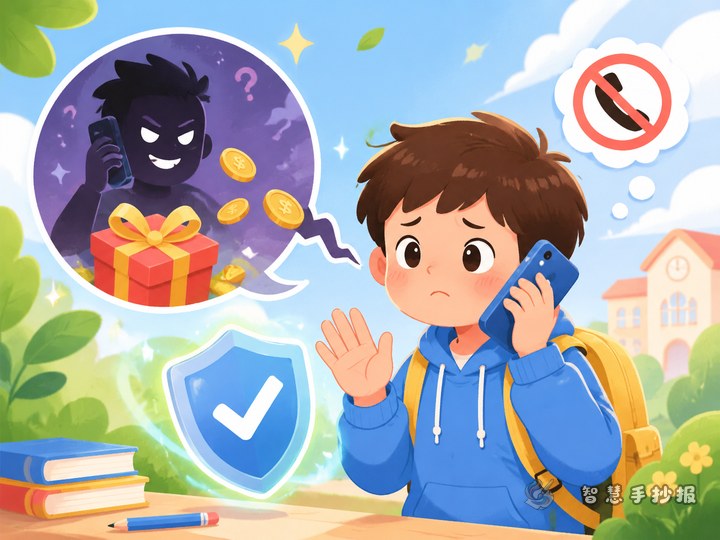
- Fake prize messages: They say you won something and ask for money or bank details first.
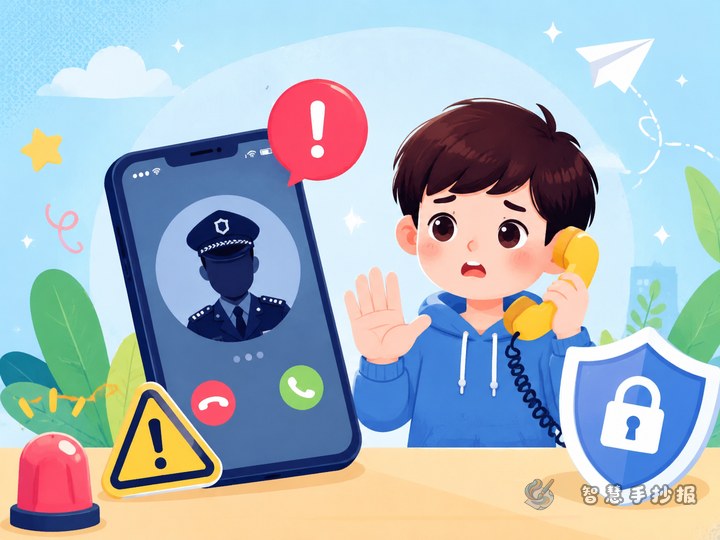
- Pretending to be someone you know: A scammer acts like a classmate, teacher, or relative and asks for help or money.
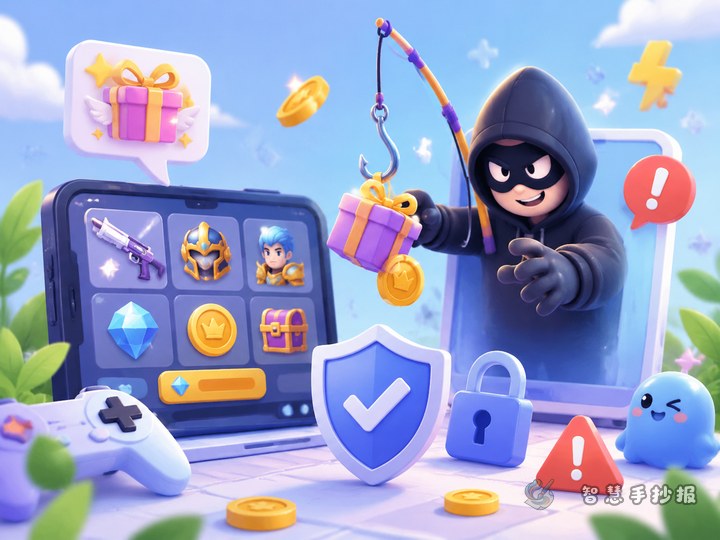
- Game account scams: They offer skins, gear, or cheap top-ups to steal accounts or codes.
- Phishing links: Strange links in messages try to make people enter personal information.
This section works well as four small blocks with short warning lines such as “Check first, act later” or “A verification code is private.”
Short text materials students can copy
A good handwritten newspaper does not need long paragraphs. It needs short, memorable lines. You can use these:
- Free prizes from strangers are often traps.
- Do not tap unknown links or scan suspicious codes.
- Never tell anyone your verification code.
- Before sending money, confirm the truth first.
- If something feels suspicious, tell parents or teachers right away.
You can also add a small closing statement encouraging everyone to improve safety awareness and protect family property.
A layout that looks neat and easy to read
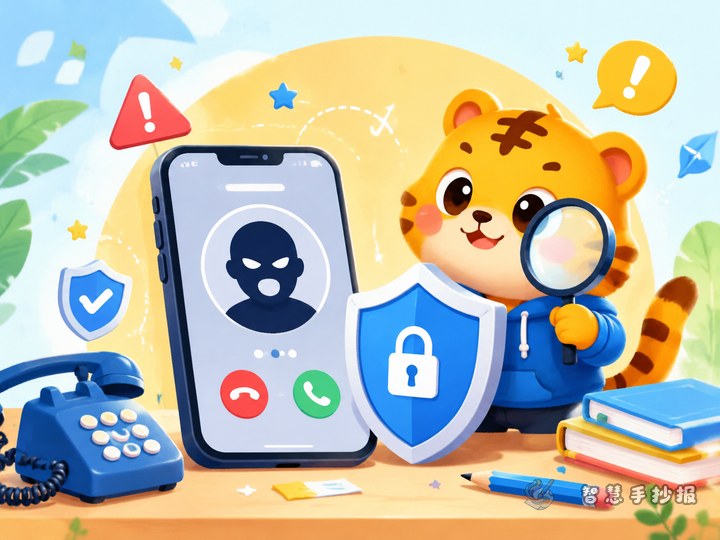
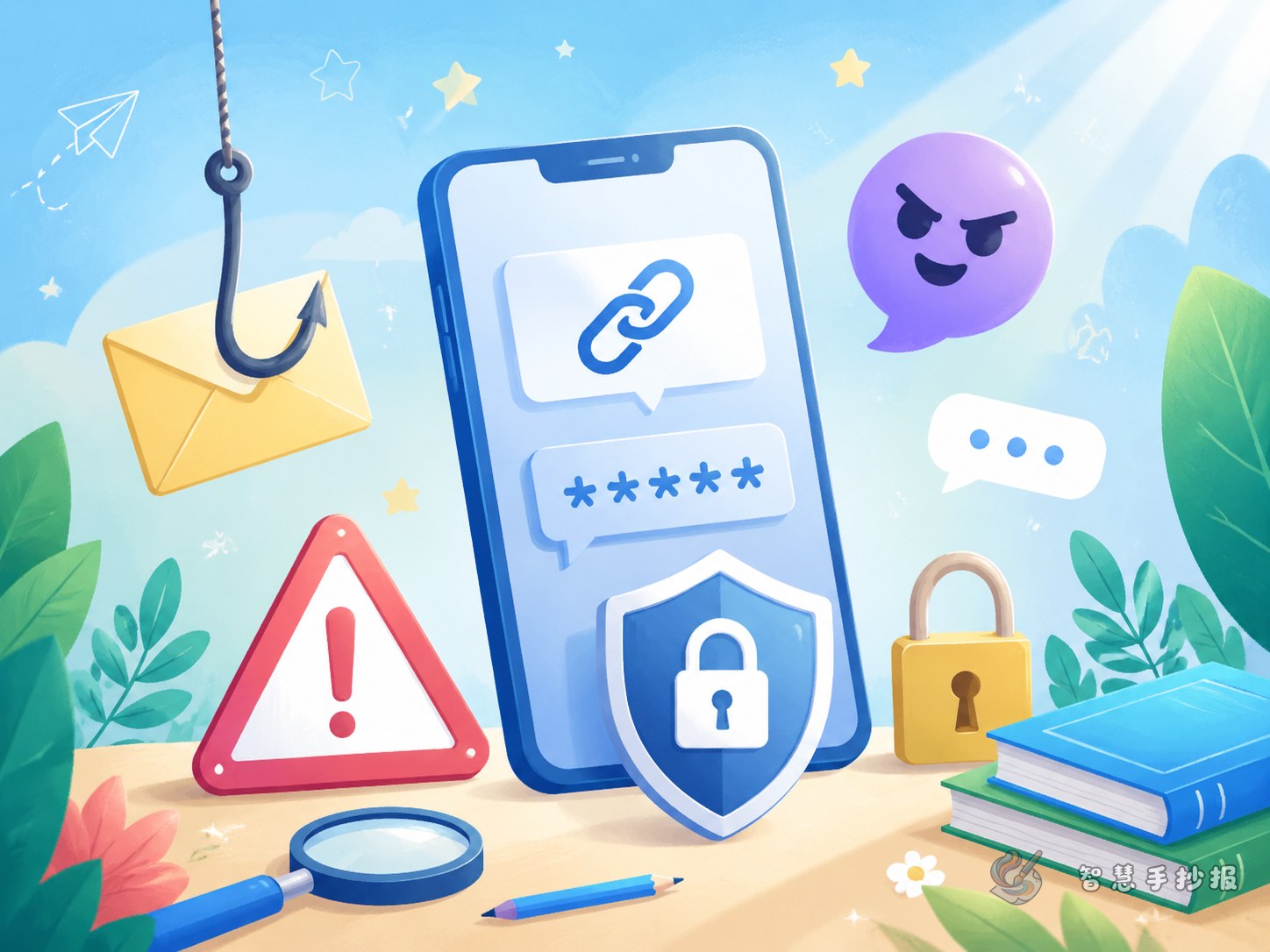
Try a layout with a big title on top, scam examples on the left, safety tips on the right, and a short action list at the bottom. This structure makes the page clear at a glance. For decoration, use shields, locks, phones, warning signs, or stop symbols. Blue, orange, and red work well for a safety theme.
Use chants and action steps to make it stronger
Instead of long explanations, a short anti-fraud chant is more eye-catching:
- Do not trust strange calls.
- Do not share personal information.
- Never reveal verification codes.
- Check before sending money.
- Ask adults for help when in doubt.
You can also add action steps:
- Pause before replying to unknown messages.
- Do not add strangers casually.
- Do not type personal information into suspicious pages.
- Verify any urgent money request by phone.
- Tell a parent or teacher immediately if something seems wrong.
How to finish the poster well
Your ending can briefly remind readers that anti-fraud awareness is a daily habit, not just a slogan. A strong poster should explain both common scam tricks and the correct way to respond. If you want to keep improving the title, layout, or text blocks, you can continue making your work in the Zhihui Shouchaobao WeChat mini program.