Start with the main idea of the topic
This handwritten newspaper can focus on a common scam: someone pretends to be customer service from a shopping platform, a store, or a delivery company. They may say your package was lost, your item has a problem, or your account needs a refund. It sounds helpful, but the real purpose is often to trick people into sending money, clicking unsafe links, or giving away private information.
At the top of the page, use a clear title and one or two short lines to explain the topic. Phrases like Check first before you trust or A real refund does not ask for secret codes work well.
Key points to place in the center of the page
Watch for urgency
Scammers often push people to act quickly. They may say the refund expires soon or that a fee will be charged if you do not act immediately. Your poster can remind readers that pressure is a warning sign.
Ask why a refund needs money first
A normal refund usually goes back through the original payment method. It should not require a deposit, handling fee, or security payment first. If someone asks for money before giving money back, that is suspicious.
Check through official channels
Do not trust the caller just because they sound professional. Tell readers to ask parents to check the shopping app, delivery app, or official customer service contact on their own.
- Do not trust unknown refund calls easily
- Do not open strange links or QR codes
- Do not share verification codes, bank details, or passwords
- Do not install unfamiliar apps because of a phone call
A layout idea that fits this theme
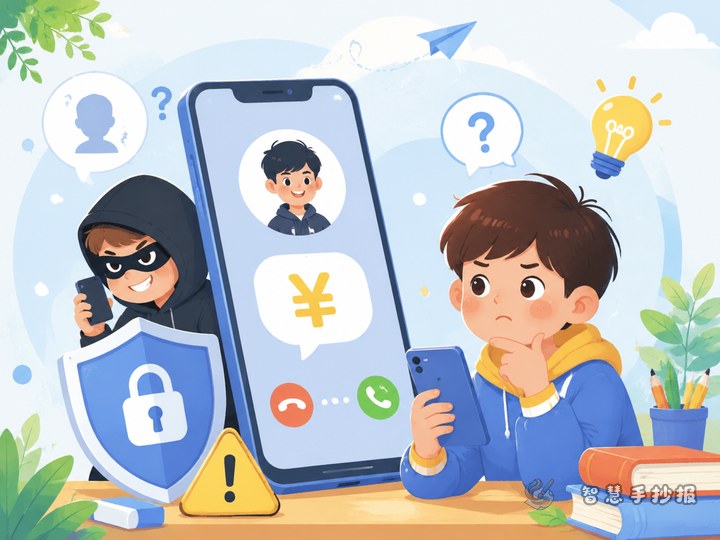
Instead of a plain text layout, try a phone conversation style page. Put fake scam lines on the left and safe responses on the right. This makes the handwritten newspaper look lively and easy to read.
- Top: the main title
- Left section: common scam phrases
- Right section: the correct way to respond
- Bottom: safety slogans and reminders
If there is extra space, add a small box that says: Stop, think, and verify before doing anything.
Ready-to-use writing materials
To make the poster easier to complete, include short and memorable lines such as:
- Safety rhyme: Strange refund calls are not always true, check official facts before you do.
- Reminder: Keep verification codes private.
- Advice: If someone offers sudden compensation, ask a parent first.
- Theme line: Do not rush, do not trust, verify first.
These lines work well in side boxes, speech bubbles, and highlighted corners of the page.
Colors and decorations
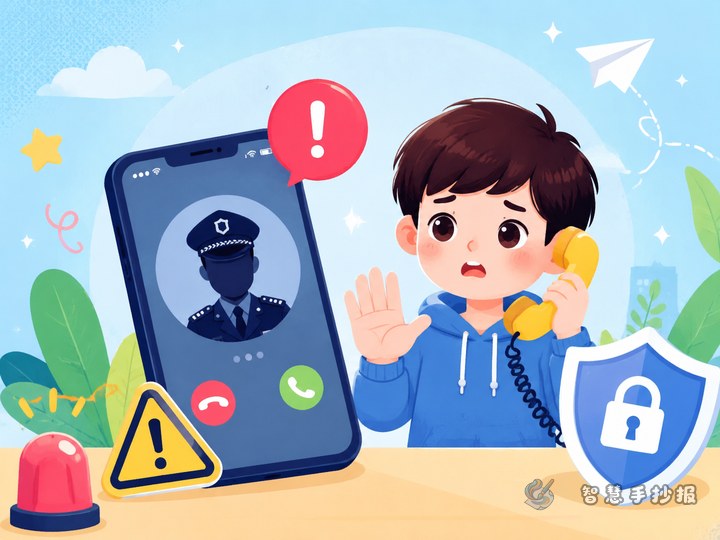
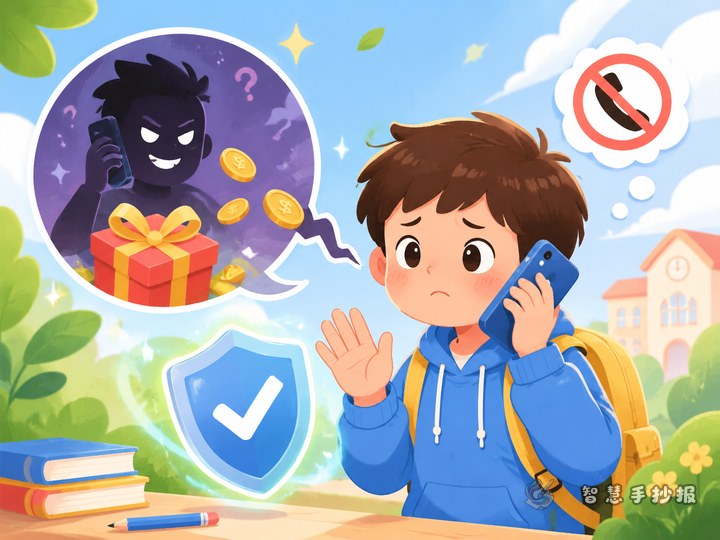
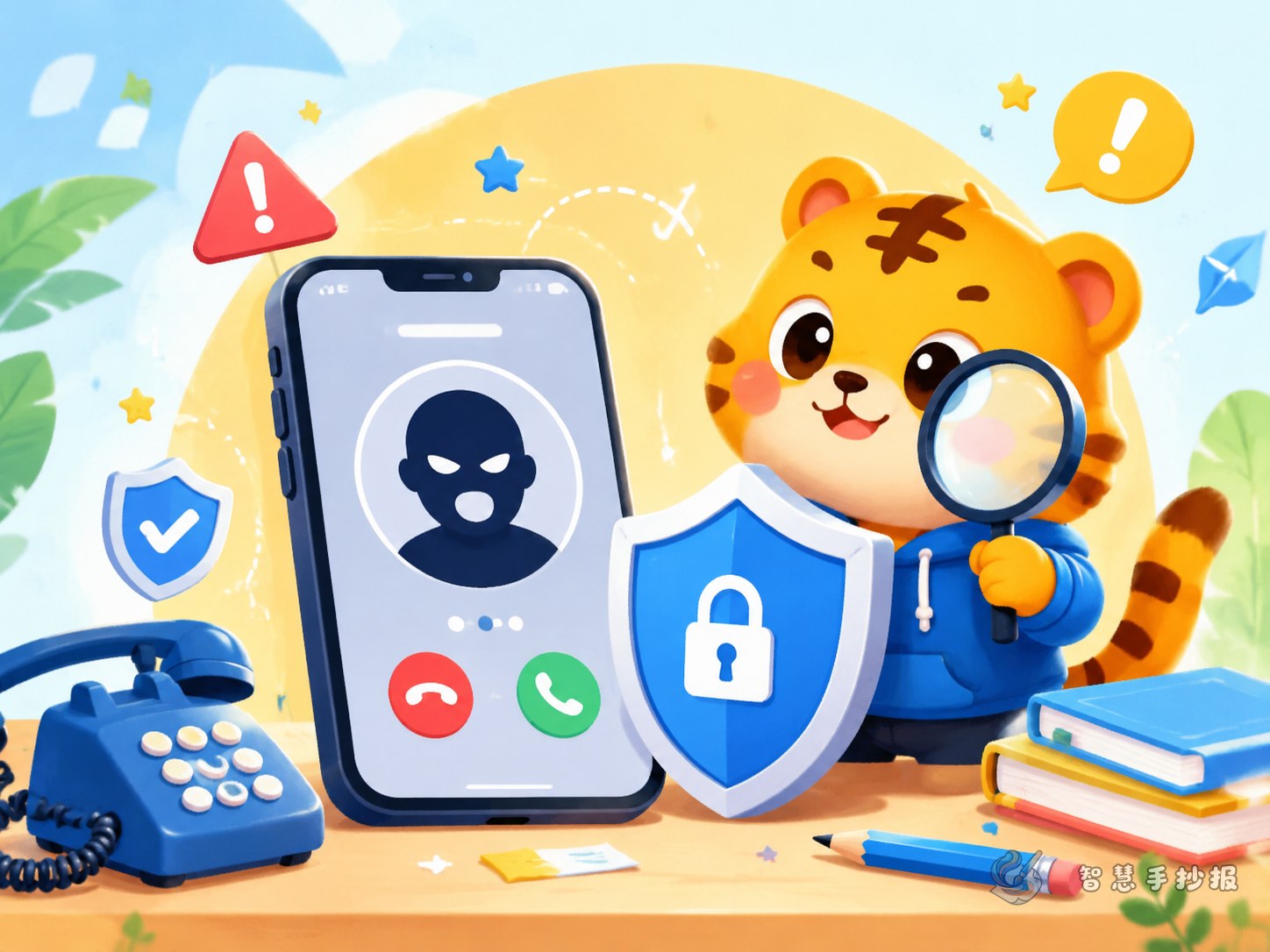
You do not need to make an anti-fraud page look too serious. Use red or yellow for warning points, and blue for balance and clarity. Decorations like phones, shields, locks, magnifiers, and exclamation marks are easy to draw and match the topic well.
If the page still feels empty, separate warning signs and correct actions into two framed lists. After you finish planning the content, you can also continue making your work in the Smart Handwritten Newspaper WeChat mini program for a smoother layout process.