Choose a clear and practical angle
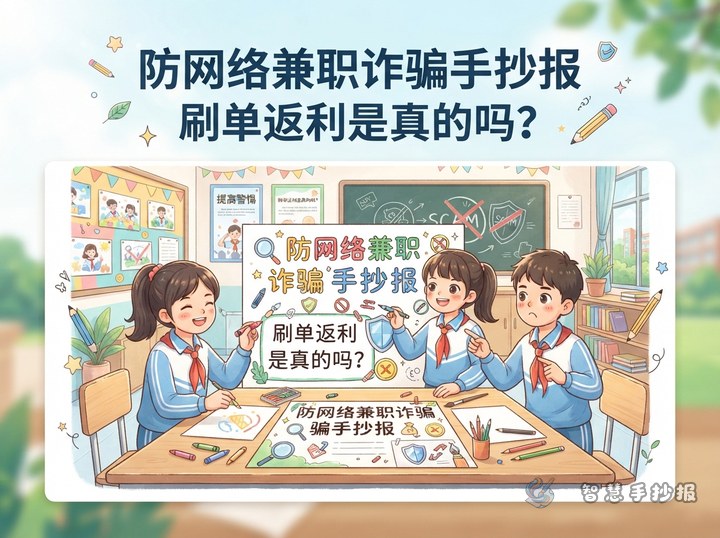
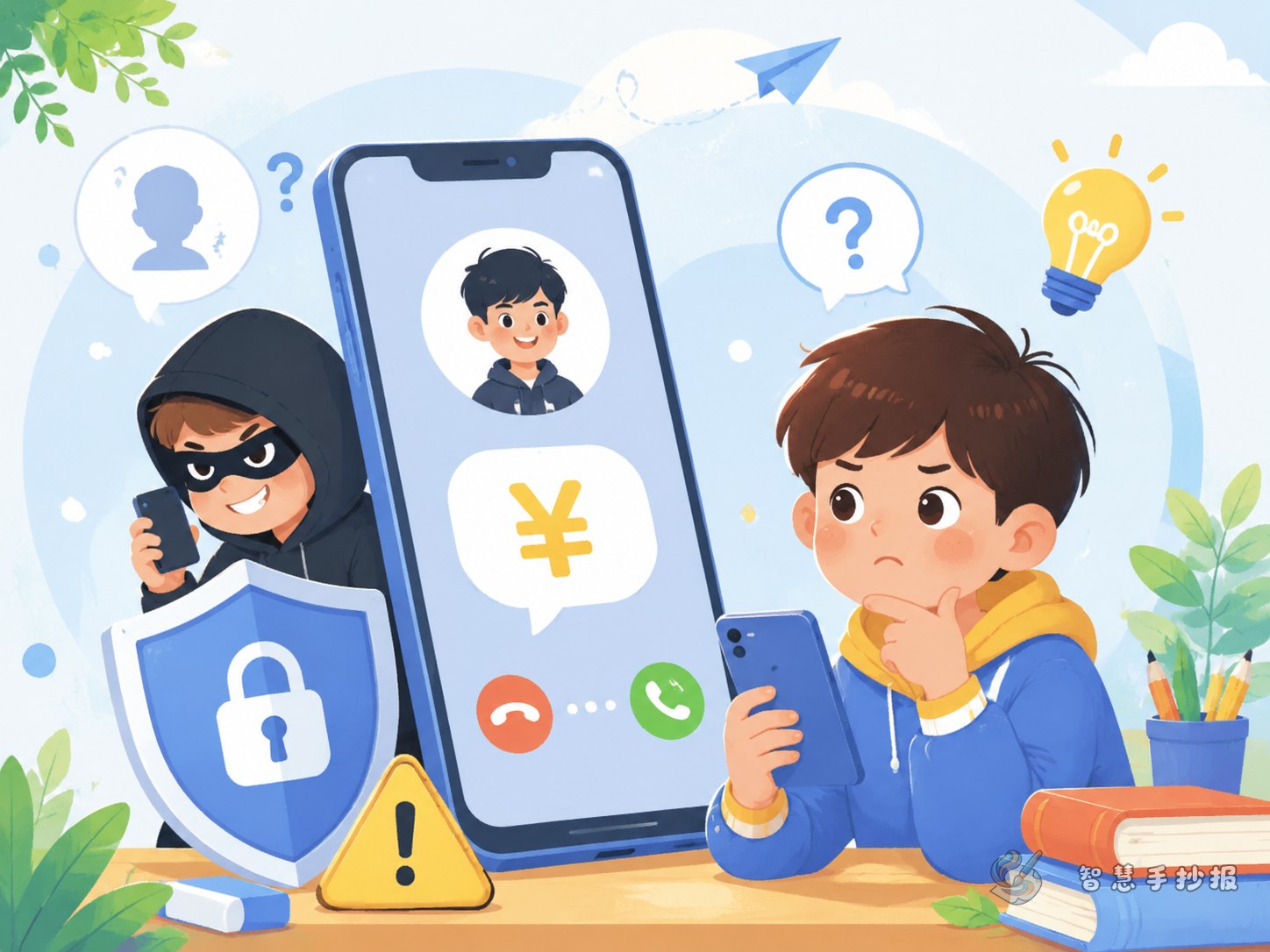
If you want this handwritten newspaper to be meaningful and easy to complete, focus on how to spot fake messages from someone pretending to be a friend or relative asking for money. This topic is easy for students to understand and gives the page a strong real-life safety message. A good headline can highlight three key ideas: verify first, never rush, and do not transfer money casually.
A simple page layout that works well
- Top left: Main title with small drawings such as a phone, chat bubbles, a wallet, or a warning sign.
- Top right: A section called “Common scam phrases” listing a few typical tricks.
- Bottom left: A “What to do” section written in clear steps.
- Bottom right: Add a short anti-fraud rhyme or a family safety reminder card.
Use bright but clear colors like red, yellow, or blue. Make the title larger, keep the body text neat, and mark important words in a thicker color so the page looks organized.
Useful text students can copy
Common scam messages
- I am in a hurry, please send me money right now.
- This is my new number. Do not use the old one.
- Do not tell anyone yet. I will explain later.
- I cannot answer calls now, so just reply by message.
The correct response
- Stay calm when you receive a money request.
- Verify the person by calling their usual number or asking parents for help.
- Do not transfer money before confirming the identity.
- Never share passwords or verification codes.
- Tell parents or teachers if the message seems suspicious.
A short safety rhyme
When a friend asks for money, do not send in a rush. Call first, check carefully, and never trust too much. If they ask for a code, be extra aware. Stay calm, verify first, and protect what you share.
Make it easier for children to read
Do not overcrowd the page. Each section can include three to five important points. You can also add a small “right answer” and “wrong answer” dialogue, showing what the scammer might say and how to respond safely. Another good idea is a simple arrow chart from “received a message” to “verify identity” to “decide safely.”
A strong ending for the handwritten newspaper
You can finish with a short reminder: messages can be false, money requests must be verified, and anything related to transfers should be handled carefully. Learning anti-fraud knowledge helps protect both students and families. If you want to keep improving the page design, title style, and section arrangement, you can also continue creating your work in the Zhihui Shouchao Bao WeChat mini program.