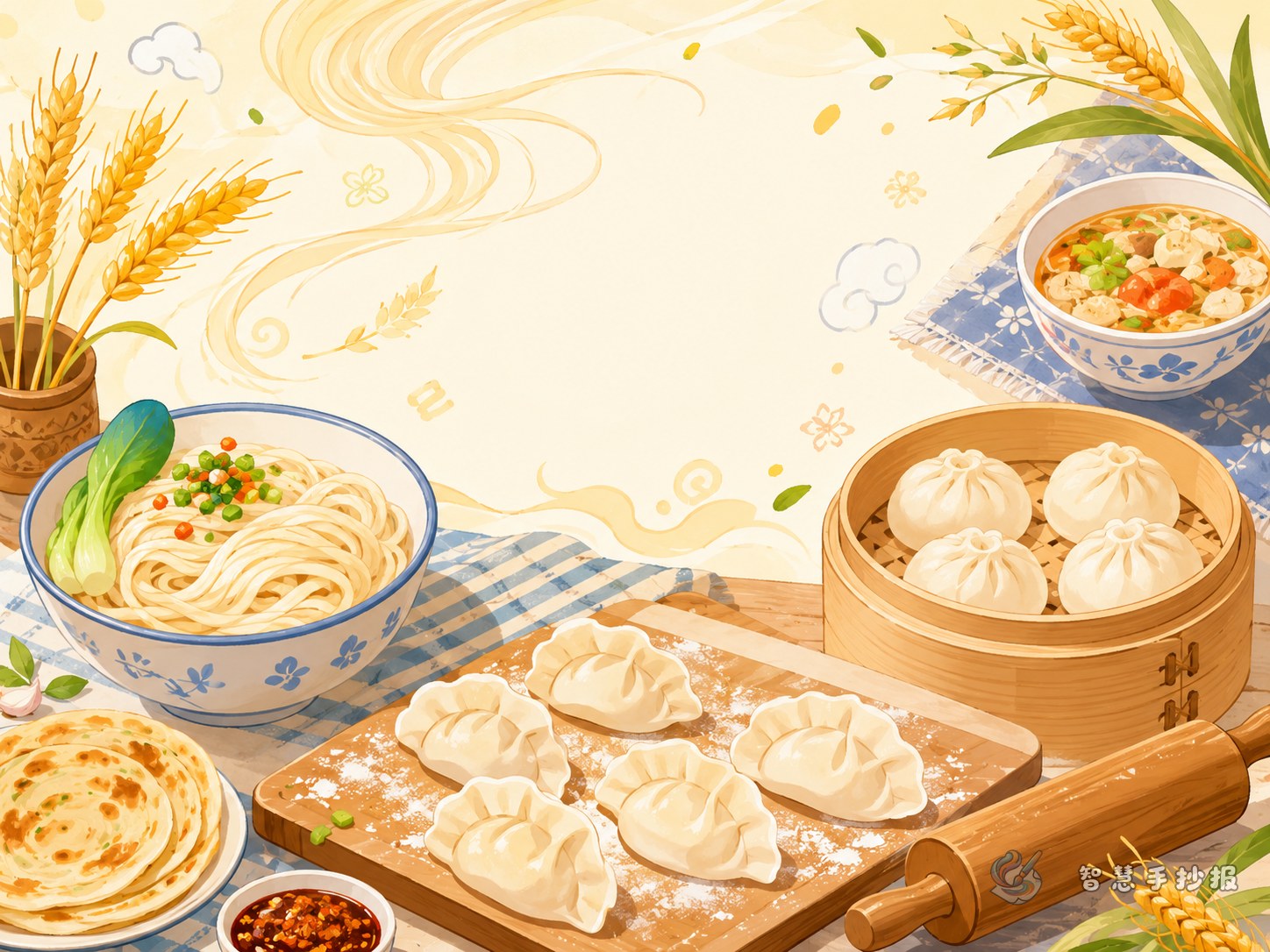
Choose one signature flour food first
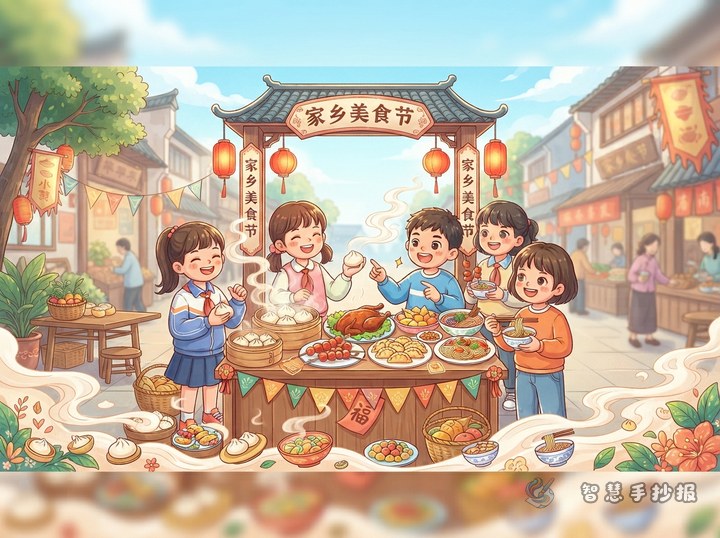
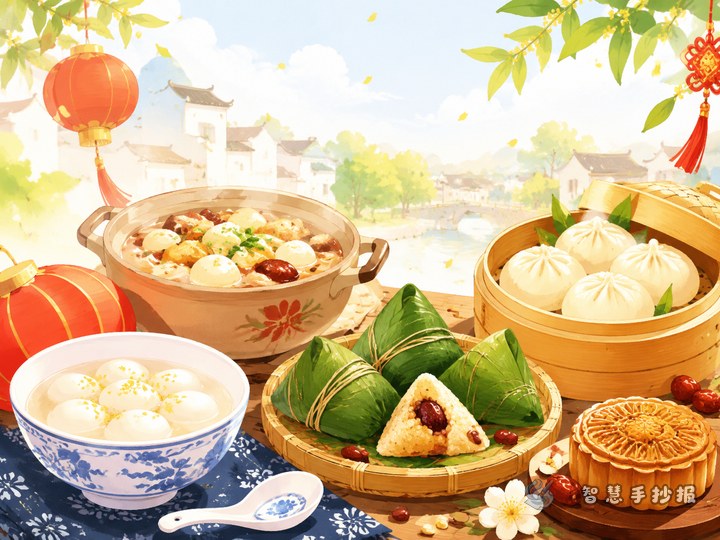
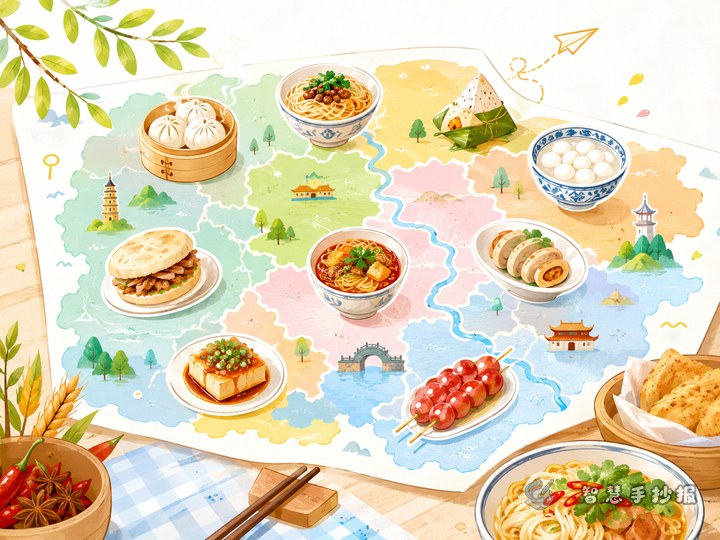
You do not need to include every kind of hometown food on one page. Pick one main item such as handmade noodles, dumplings, steamed buns, or flatbread, then add one or two related foods if needed. A focused theme makes the newspaper easier to read and more memorable.
Your title can be simple and clear, such as “Noodle Culture in My Hometown” or “The Warm Taste of Hometown Flour Foods.” A small subtitle can explain your angle in a friendly way.
Collect writing ideas from real family life
This topic becomes stronger when you use daily details instead of general praise. Think about things like:
- When people usually eat this food: breakfast, winter meals, family gatherings, festivals
- What tools are used: flour board, rolling pin, steamer, pot, chopsticks
- How family members make it: kneading, rolling, filling, boiling, steaming
- How people enjoy it: with soup, garlic, vinegar, or shared around the table
These details make the page sound authentic and personal.
Useful section ideas for the newspaper
Section 1: A famous hometown flour food
Introduce the food with a few clear lines about its shape, texture, smell, and taste. Keep the language easy for younger students to read.
Section 2: From flour to table
Describe the basic making process in short steps. This section is easy to present with numbered lines or small labels.
Section 3: Eating habits in my hometown
Explain when people eat this food and what it means in everyday life. This helps connect the food to local customs.
Section 4: My family memory
Add a short personal story about making or eating the dish with parents or grandparents. This gives the newspaper warmth and personality.
Simple layout ideas with a local feeling
A noodle culture theme looks great with a top title and 3 to 5 neat content blocks. Try a warm color palette:
- Main colors: beige, wheat yellow, light brown
- Accent colors: red or green for freshness
- Decorations: wheat ears, bowls, chopsticks, rolling pins, steamers
If your text is short, leave some breathing room and use small drawings to balance the page.
How to highlight the word “culture”
Do not stop at flavor or ingredients. To make the work more meaningful, include ideas such as:
- The connection between local grains and the hometown climate
- The role of flour foods in festivals, birthdays, and welcoming guests
- Cooking habits passed down by parents or grandparents
These points help your work feel richer and better suited for a classroom display.
A warm and easy ending
Your ending can be brief but heartfelt. For example: “The flour foods of my hometown are not only delicious, but also part of my happiest family memories.” Once your text is ready, you can continue organizing and beautifying the page in the Zhihui Shouchaobao WeChat mini program.