Turn your hometown into a food map
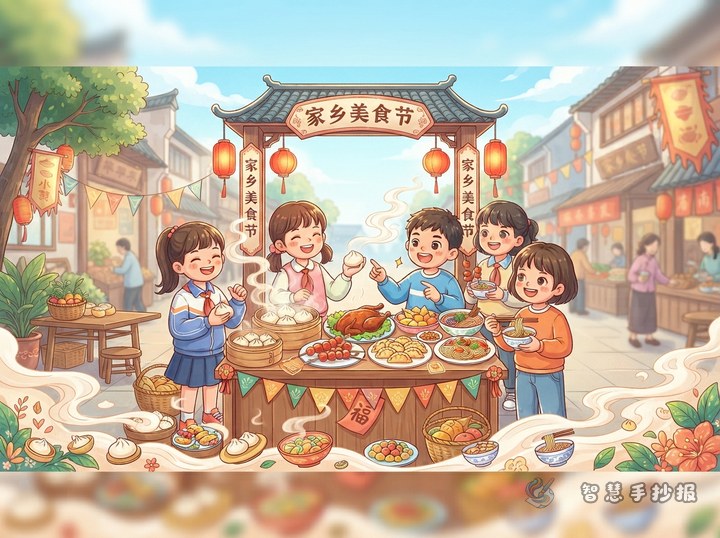
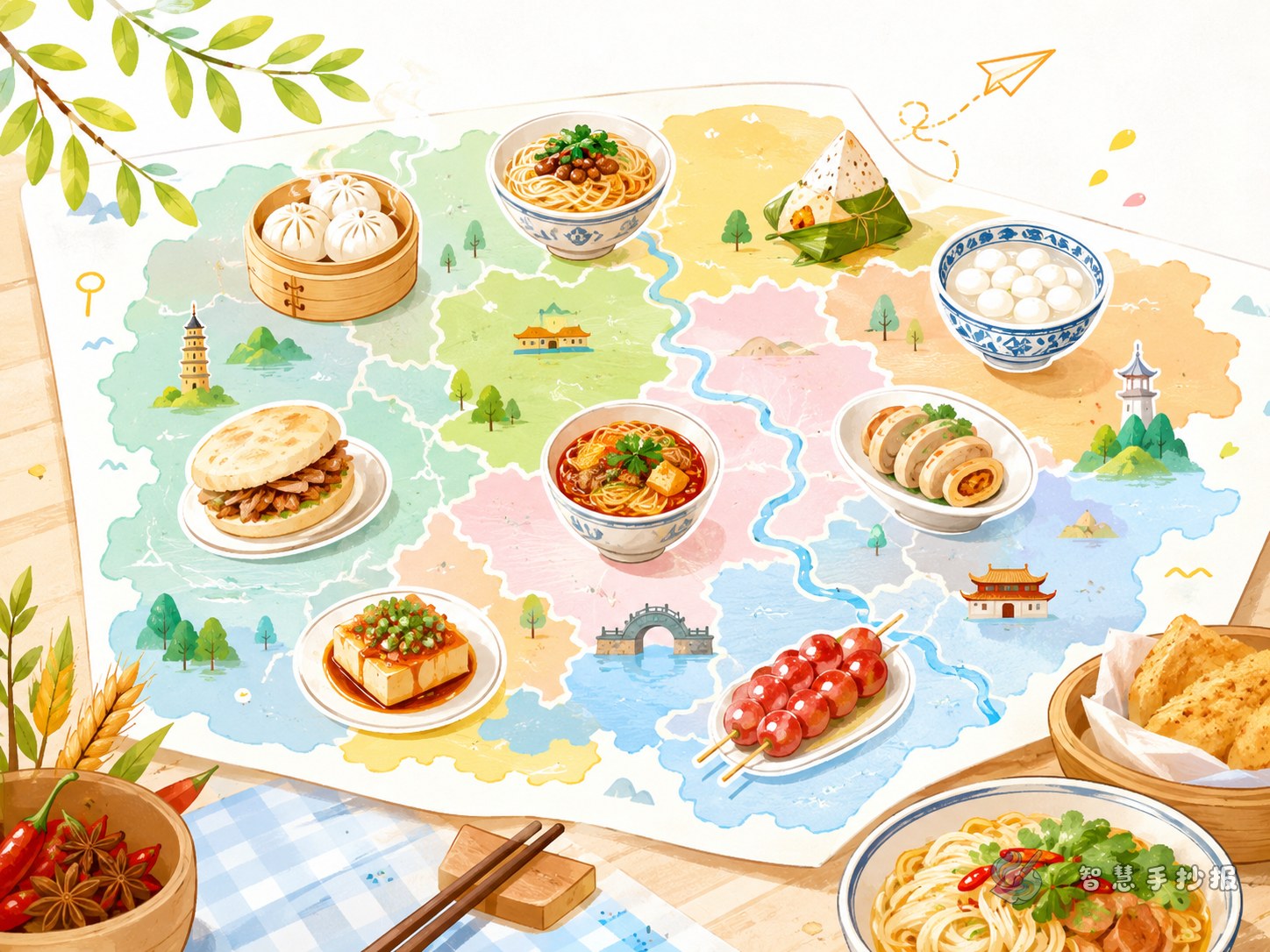
This theme becomes lively when food is linked with streets, markets, old shops, and snack stalls. In the center of the page, you can draw a simple hometown map or a tasting route. Readers can then see where each snack belongs, which makes the handwritten newspaper more vivid than a plain list.
You do not need a real geographic map. A simple version with familiar places such as the old street, the night market, the school area, or a festival square is enough to create a clear structure.
Useful sections you can place on the page
- Signature hometown snacks: introduce 3 to 5 well-known local foods.
- Where people find them: mention streets, markets, fairs, or holiday occasions.
- What they taste like: use short words such as crispy, soft, sweet, spicy, savory, or fragrant.
- My family food memory: share a small personal story about eating or buying the snack.
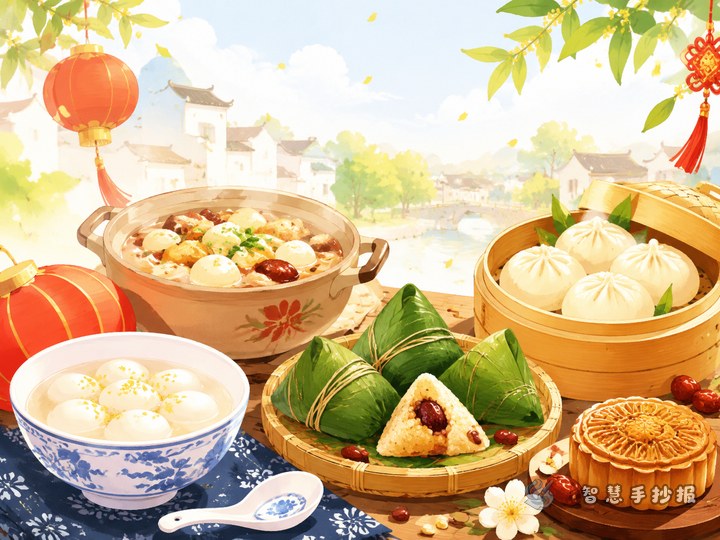
- Festival flavors: include foods tied to special local celebrations.
This combination gives the poster both cultural meaning and personal warmth, which is very suitable for students.
How to write each snack in a short but vivid way
You do not need long paragraphs. A simple three-sentence method works well. First, say what the snack is. Second, describe the taste or main ingredients. Third, explain how it connects to hometown life.
- Name and appearance: what it looks like.
- Ingredients and flavor: what it is made from and how it tastes.
- Memory and culture: when people eat it and why it feels local.
This style is short, clear, and easy to match with small drawings or labels.
Try a route-style layout instead of neat boxes
This topic looks great with a map route design. Put the title at the top, the map in the middle, and connect each snack block with curved lines like a walking route. Each section can look like a street sign, shop board, or speech bubble, giving the page a travel feeling.
Warm colors such as yellow, orange, brick red, and cream fit the smoky, welcoming atmosphere of hometown food. If your hometown has sea, mountain, or ethnic elements, you can add blue, green, or local decorative patterns.
Small details that make the poster feel lively
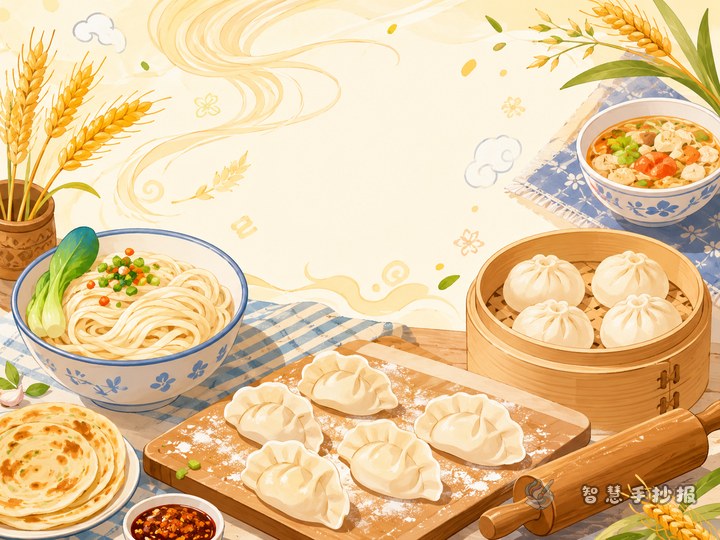
- Icons like steamers, bowls, chopsticks, baskets, or lanterns
- Simple sketches of old shops, food stalls, or market corners
- Ingredient decorations such as peppers, scallions, rice grains, or dough shapes
- Expressive words like hot, crispy, fragrant, soft, or freshly made
These details add atmosphere, but do not overcrowd the page. Keep the focus on the title, the map, and the main snacks.
A warm ending for the final touch
Instead of writing a formal conclusion, end with a gentle sentence about how hometown flavor lives in small streets and everyday family moments. That gives the handwritten newspaper a warmer tone.
If you want to refine the title art, section frames, borders, and overall layout, you can continue designing in the Zhihui Shouchaobao WeChat mini program for a cleaner and more polished result.