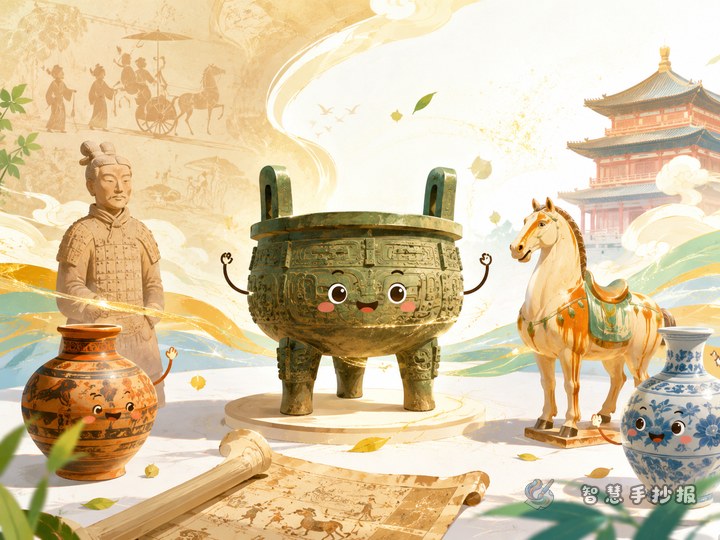
Start with one clear focus
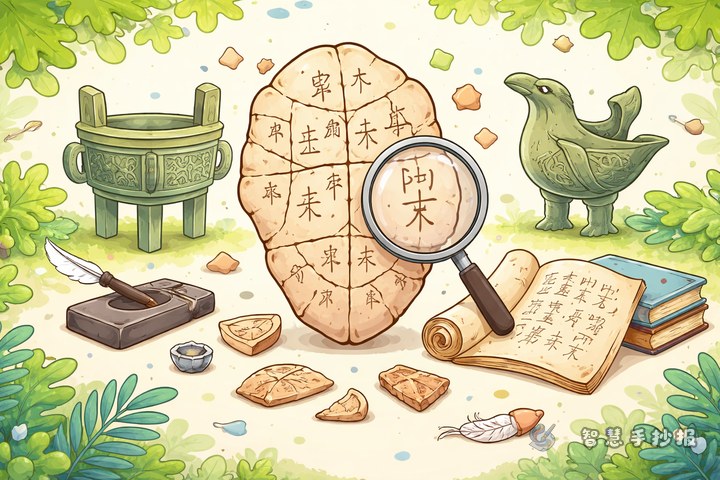
A bronze artifact themed handwritten newspaper does not need to sound academic. The easiest way is to answer a few simple questions: What is bronze ware, when did it appear, what was it used for, and why is it important in museums today? Once these questions are clear, the whole page becomes easier to organize.
You can frame the topic as “Discovering Bronze Civilization,” “Bronze Objects in Museums,” or “Understanding Ancient Life Through One Bronze Artifact.” This gives the newspaper a natural direction instead of turning it into scattered facts.
Useful sections to include on the page
Artifact profile
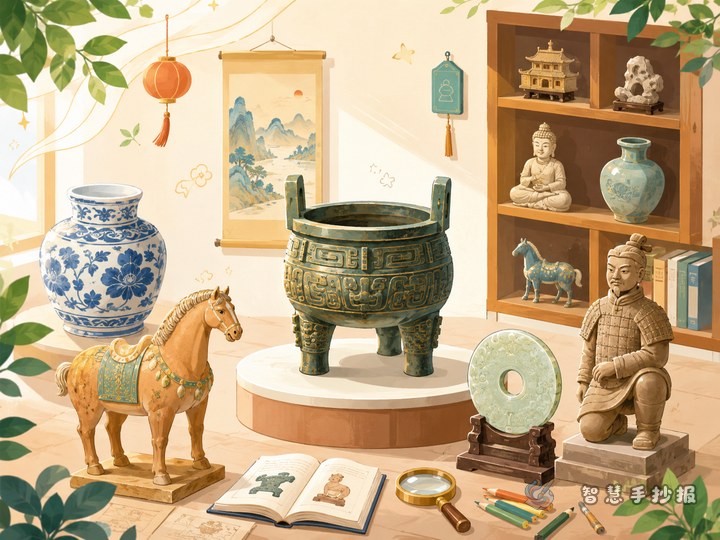
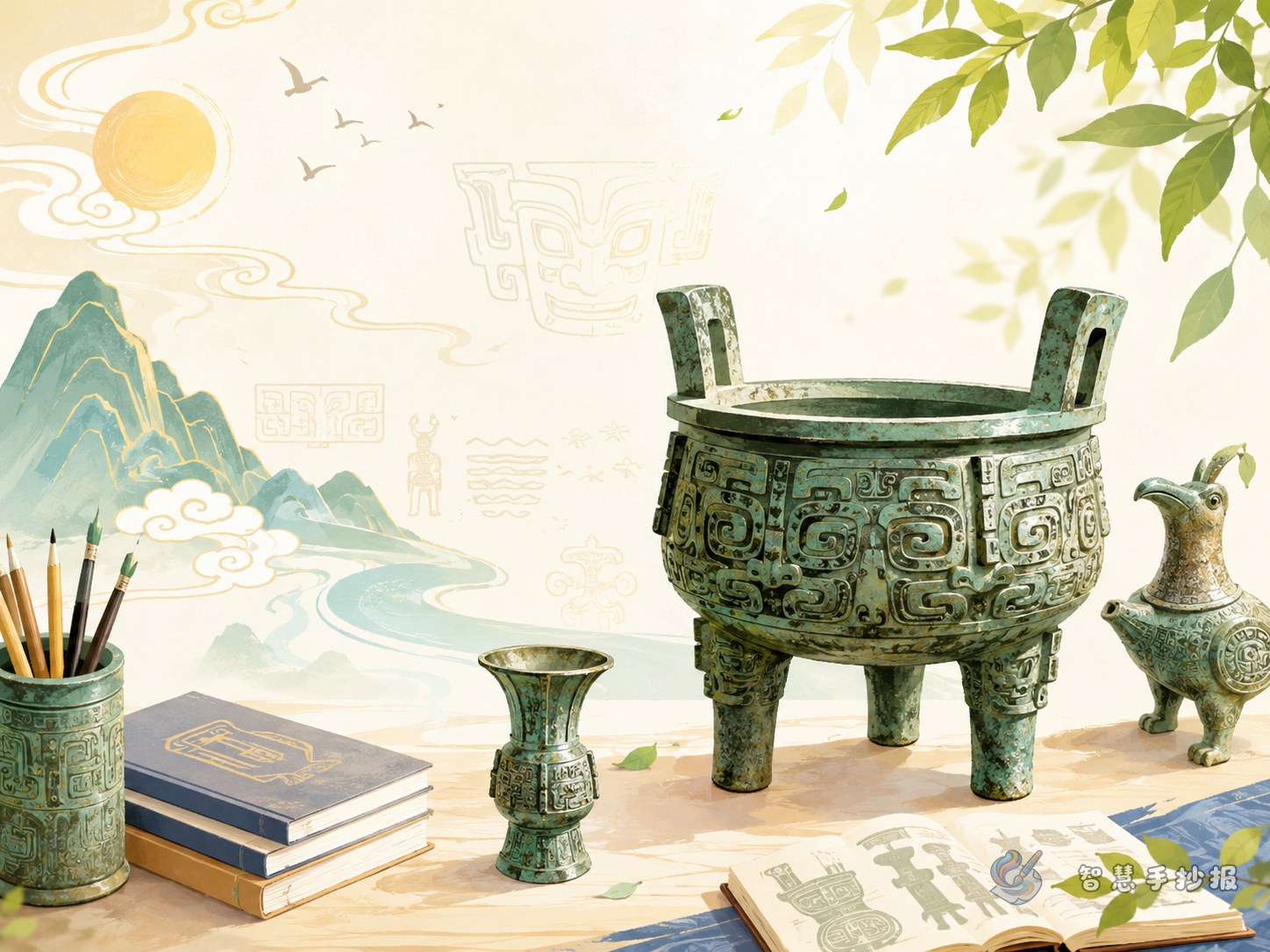
Choose one key object, such as a ding, zun, jue, or chime bell. Introduce its name, historical period, function, and visual features in short lines that are easy for students to write.
- Name: What the artifact is called
- Period: Which dynasty or era it belongs to
- Use: Cooking, holding wine, ritual use, or music
- Features: Handles, legs, carved patterns, or strong shape
Pattern corner
The historical atmosphere of bronze ware often comes from its decoration. Students can mention common motifs such as taotie-like masks, cloud patterns, or animal-inspired lines. A short explanation is enough: these designs often showed mystery, order, and ritual meaning.
History note
Bronze artifacts were not only practical tools. They were also connected with ceremonies, status, and ancient culture. That idea helps the handwritten newspaper feel richer and more museum-centered.
Simple text materials students can use
If you want short and usable content, these ideas work well:
- Bronze ware is an important part of ancient Chinese civilization, especially in early dynasties.
- Some bronze objects were used for cooking, some for holding wine, and some for ceremonies or music.
- Bronze artifacts often have strong shapes and beautiful patterns that show ancient craftsmanship.
- Today, many bronze objects are kept in museums and help us learn about ancient daily life and ritual culture.
- When visiting a bronze gallery, students can observe the shape, decoration, and inscriptions carefully.
These lines can be placed into different sections such as “Knowledge Notes,” “Museum Facts,” or “What I Learned.” This keeps the page readable and balanced.
How to make the layout feel cultural and steady
This theme works well with a calm visual style. Colors such as bronze green, brown, dark gold, and light beige can reflect the feeling of artifacts without making the page look dull. Decorative borders can use simple geometric lines, cloud patterns, or repeated ancient motifs.
- Top: Main title with a small drawing of a ding or bell
- Center: One featured artifact as the visual focus
- Sides: Notes on patterns and historical meaning
- Bottom: Personal reflection or a short conclusion
If there is extra space, students can add seal-style frames, small inscriptions, or object silhouettes to complete the page.
A natural ending for students
The conclusion does not need to sound grand. It can come from observation, such as “I found that bronze artifacts carry many stories of ancient life,” or “One museum object can help us understand a whole period of history.” This kind of ending feels honest and suitable for school display.
If you want to keep improving the title style, page sections, or final arrangement, you can continue creating in the Zhihui Shouchaobao WeChat mini program.