Choose a theme based on an everyday safety situation
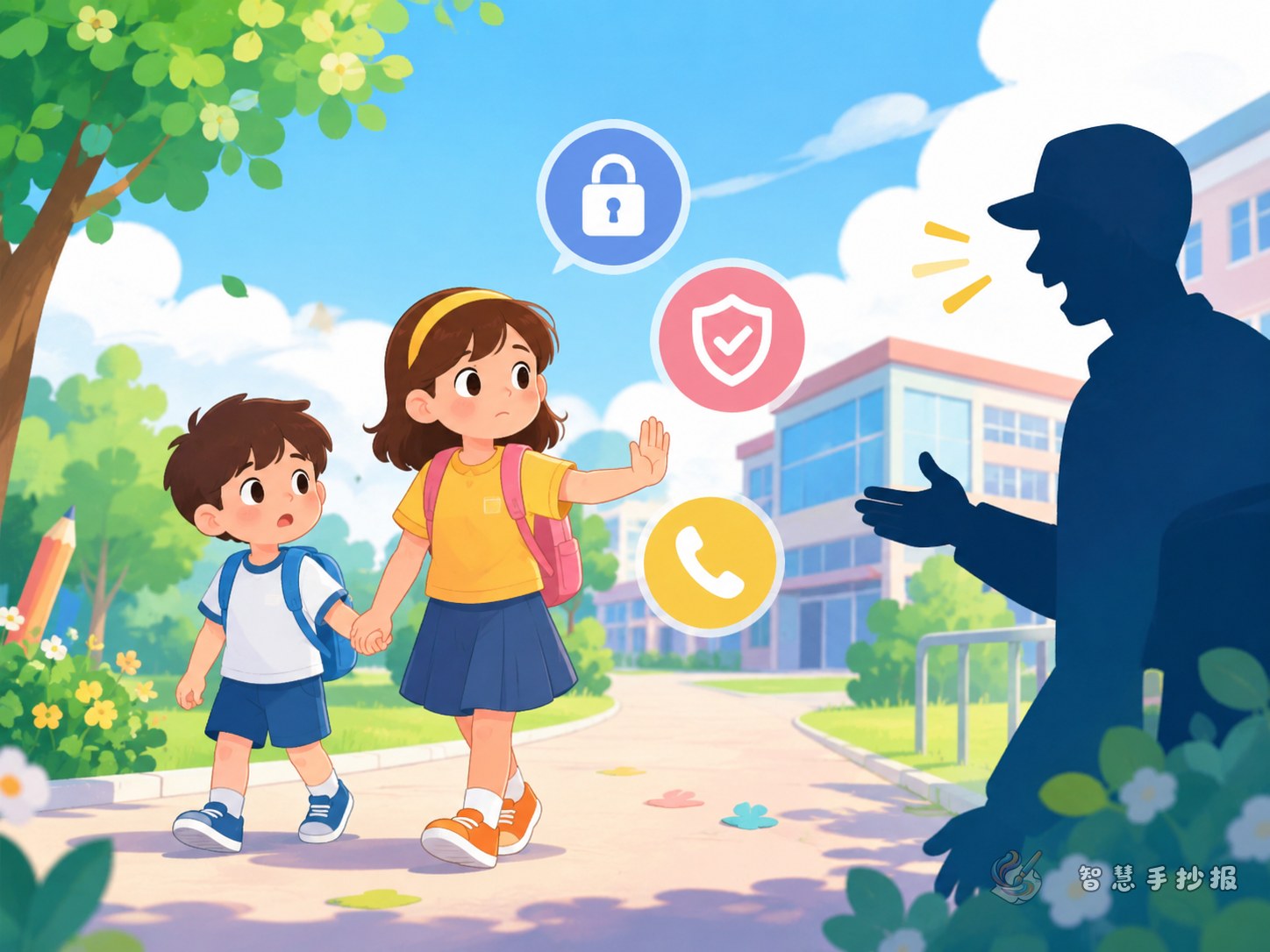
Many school safety posters are too broad. A more useful topic is what to do when a stranger asks a student to lead the way, find someone, carry something, or go to another place. This makes the poster feel real and easy to understand.
You can build the whole poster around one key idea: I can protect myself when someone I do not know asks for help. That gives the poster a clear focus and makes each section easier to write.
Four useful sections for the handwritten poster
Warning signs to notice
- The person asks you to leave a familiar area
- The request involves secrecy
- The person says a teacher or parent sent them, but you cannot confirm it
- The person wants you to go alone
- The person offers gifts, snacks, or rewards
Safe words I can say
- “I need to ask my teacher first.”
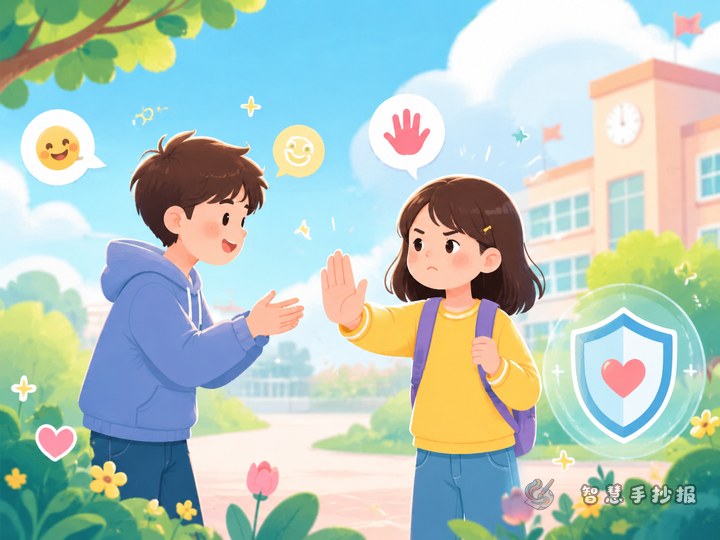
- “I cannot go with you alone.”
- “Please ask the school staff for help.”
- “I am going back to class now.”
Steps to leave safely
- Stop and keep some distance
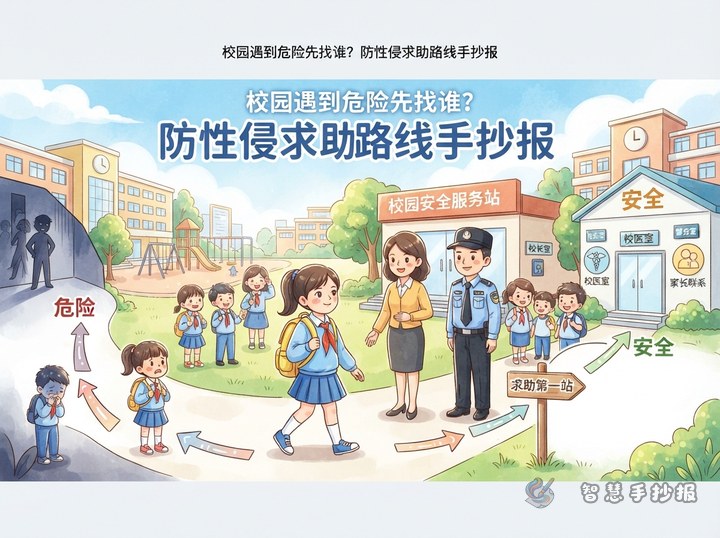
- Move to a bright and crowded place
- Tell a teacher, guard, parent, or another trusted adult at once
- Remember what happened and where it happened
My body boundaries matter
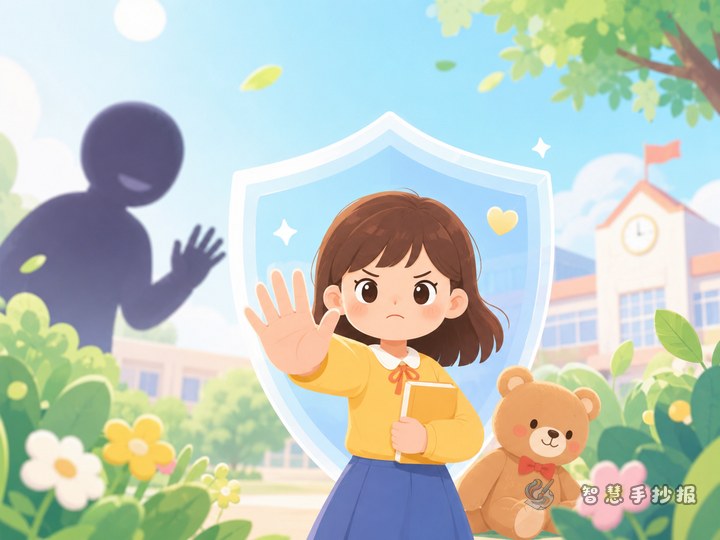
The poster should also include one simple message: my body belongs to me. If any touch, request, or behavior feels scary, strange, or uncomfortable, a child has the right to say no and leave.
Short lines children can copy onto the poster
- Think first when a stranger asks for help.
- Do not go alone. Do not keep secrets.
- If something feels wrong, leave quickly.
- Ask a teacher or parent before helping.
- Saying no is part of self-protection.
You can also add a short paragraph: At school or on the way to and from school, if a stranger asks you to lead the way, find someone, or carry something, do not agree just because you feel shy or polite. Go to a teacher or another trusted adult first. Safety is more important than manners.
A layout that keeps the message clear
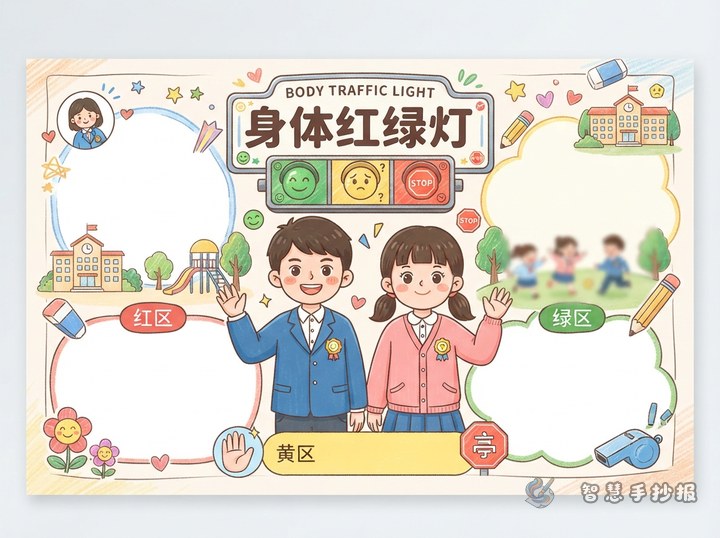
A practical design is a center title with section boxes around it. Put warning signs on one side, refusal phrases on another, and place action steps and trusted helpers at the bottom. This makes the poster easy to scan and easy to remember.
- Use a bold main title at the top
- Keep each section short and clear
- Highlight key lines in bold
- Leave enough blank space so the page does not look crowded
Fresh colors such as blue, green, and orange work well for this topic. The goal is not to make the page heavy, but to make the safety message stand out.
How to make the poster more memorable
Add a small box at the end called “I will remember this” and include three short rules: do not go alone, do not keep unsafe secrets, and ask a trusted adult right away. This helps turn the poster into something students can really use.
After drafting the content, you can continue refining the layout and sections in the Zhihui Shouchaobao WeChat mini program to create a cleaner and more display-ready handwritten poster.