Build the theme around “What can I waste less today?”
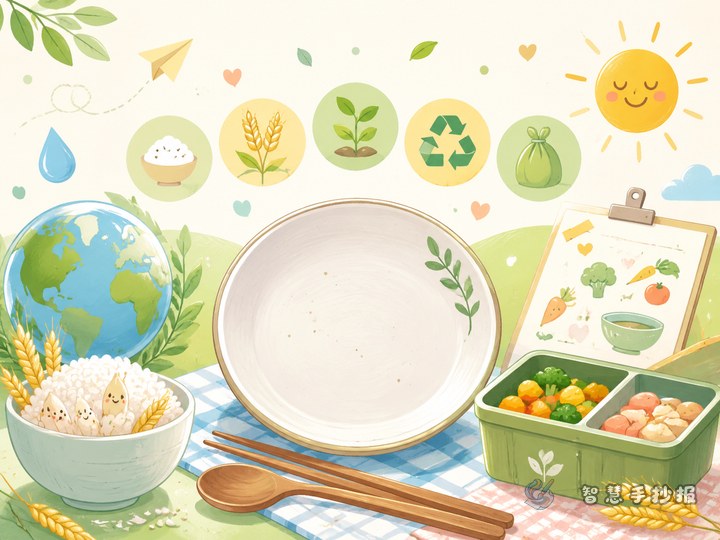
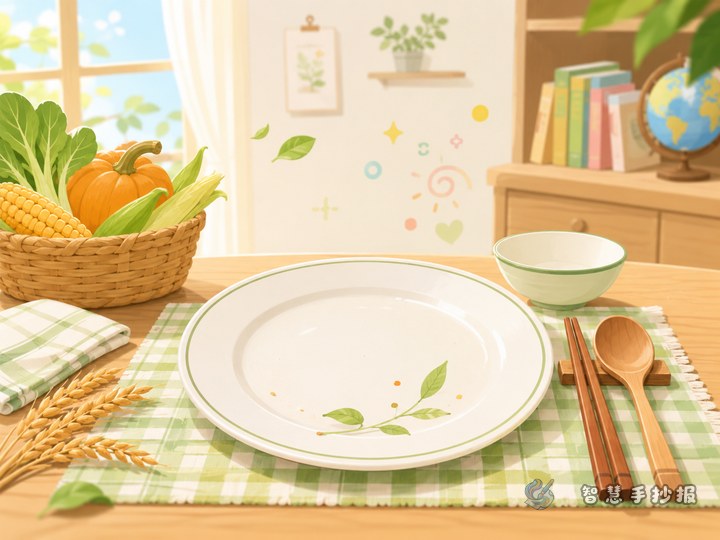
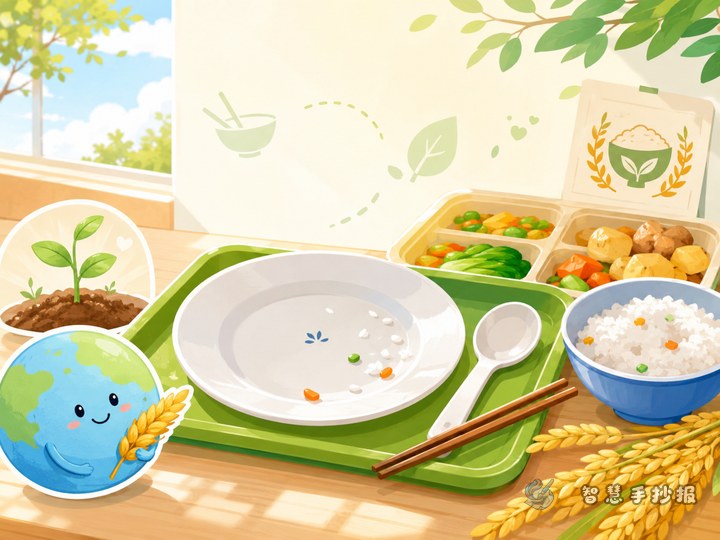
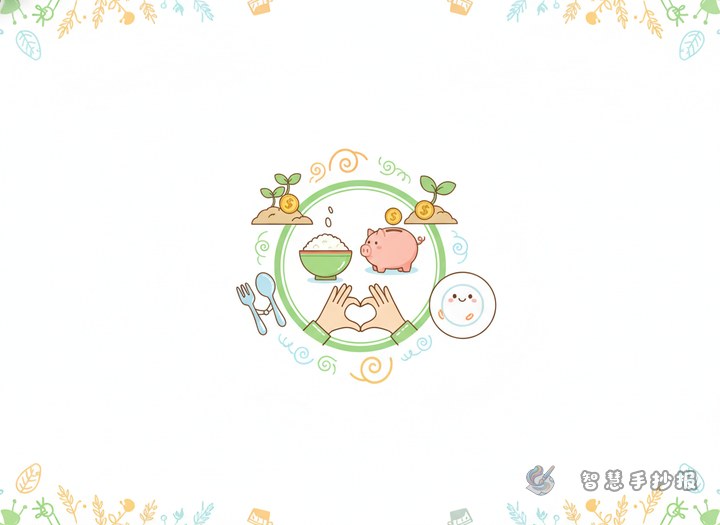
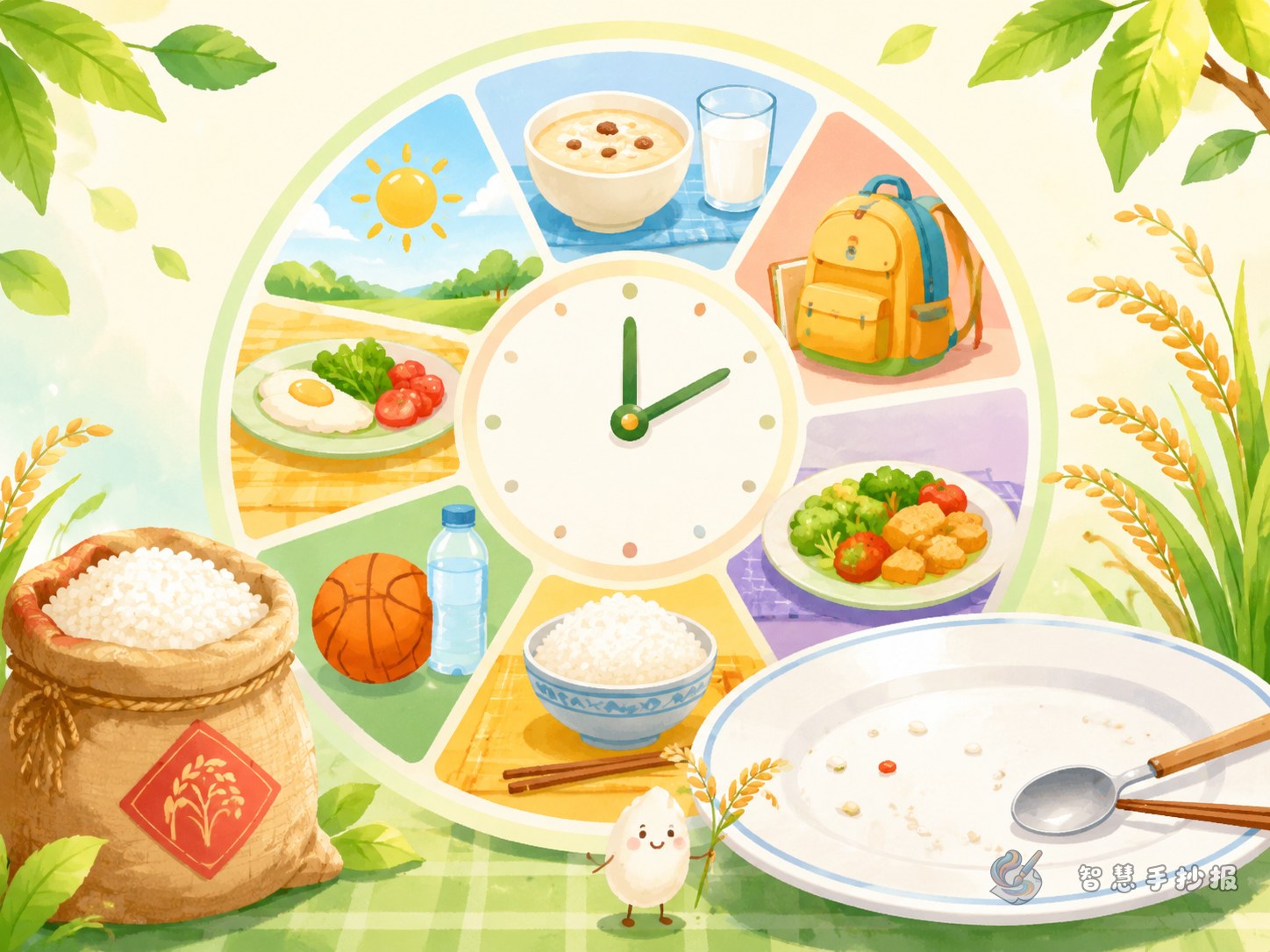
This topic works best when it is connected to everyday life instead of using only slogans. Students can write about breakfast, lunch at school, snacks, and dinner at home. Put the main title in the center, then decorate the page with bowls, rice grains, wheat, plates, and spoons so the food-saving message is clear at first glance.
To make the poster feel more practical, divide it into sections such as “Waste I Notice,” “Changes I Can Make,” “Simple Saving Tips,” and “My Clean Plate Promise.” This helps readers see that saving food is not just an idea but a habit they can start right away.
Four kinds of text materials children can actually use
1. Why food should be treasured
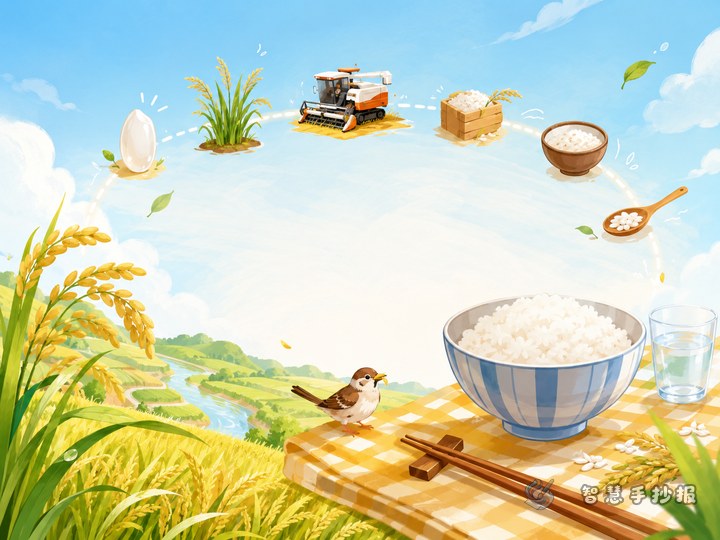
Use simple sentences: food is not easy to produce. From planting and watering to harvesting and cooking, it takes the hard work of many people. Every bite deserves respect.
2. Common waste in daily life
- Taking too much rice and leaving leftovers.
- Being picky and throwing away edible food.
- Buying snacks casually and not finishing them.
- Following others in the cafeteria and taking more than needed.
3. Actions I can take
- Take only what I can finish, then get more if needed.
- Taste first before saying I do not want it.
- Finish the food that can still be eaten.
- Encourage family members to join the clean plate habit.
4. Short lines for the poster
- Save one grain of rice, respect one share of hard work.
- A clean plate is not a show, it is a habit.
- Frugality starts at the table, and manners start with every meal.
- No leftovers, no comparison, more appreciation.
Add a promise card to make the page stand out
This theme is perfect for an interactive section. In one corner, create a “One-Week Clean Plate Check-In” area. Draw seven small plates or boxes and label them from Monday to Sunday. Color one each time you finish your meal without waste. This makes the page more lively and action-oriented.
You can also include a box called “One waste habit I want to change”, such as leaving vegetables unfinished or buying bread and not eating it all. Real habits make the poster more touching than general statements.
Keep the layout simple but layered
Choose warm and natural colors like beige, light green, orange, and light brown. These match the ideas of grain and frugality. Put the title at the top center, with wheat or plate drawings on both sides. The main text can use an uneven layout: one side for waste problems and reasons to treasure food, the other side for actions and a check-in chart, with small icons in between.
Do not overcrowd the page. Each section should stay short and readable. Use bold text for key lines. Small drawings like rice grains, smiling plates, bowls, and spoons are enough to make the page cheerful.
A ready-to-use closing paragraph
The food we eat every day comes from hard work and valuable resources. Saving food is not only about finishing what is on the plate. It is also about respecting labor, valuing resources, and building a frugal habit. When making the handwritten newspaper, try to include your own real thoughts and actions. If you want to keep adjusting sections and layout ideas, you can continue creating in the Smart Handwritten Newspaper WeChat mini program.