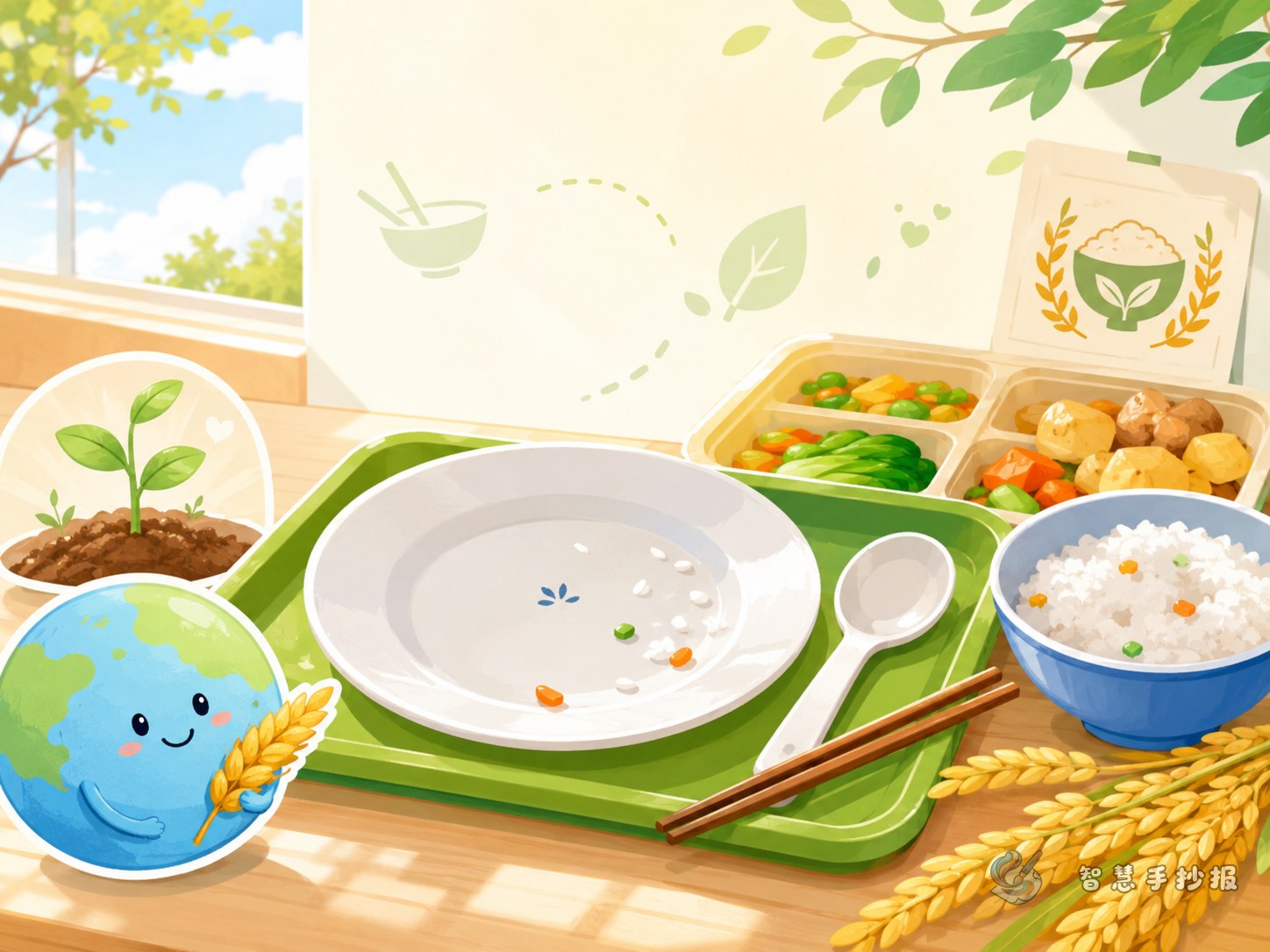
Start from the school cafeteria, not from empty slogans
Many students making a food-saving poster only write broad lines like value food or say no to waste. A better choice is to use the school cafeteria as the main setting. Themes such as “Polite Dining Starts with Me” or “Take Only What You Can Finish” feel much more real because they connect directly with everyday campus life.
This topic works well because it combines two ideas at once: saving food and building good manners. That makes the poster more practical and easier to organize.
Useful section ideas for the page
- Good habits in the cafeteria: line up properly, speak softly, take suitable portions, return items neatly.
- My clean plate actions: Did I leave leftovers today? Did I avoid picky eating? Did I remind a classmate not to waste food?
- Where waste begins: taking too much food, choosing only favorite dishes, eating while playing, throwing food away halfway through.
- Cafeteria manners code: no pushing, no shouting, no littering, protect the shared dining space.
- Short reminder lines: every grain matters, take the right amount, an empty plate is a proud plate.
If the page is small, three sections are enough: good habits, clean plate actions, and reminder slogans.
Ready-to-use writing materials for students
Short slogan ideas
- Take what you need, finish what you take.
- Good manners belong at the table, and saving starts with action.
- Every meal is worth cherishing.
- A small tray can show a big habit.
- A clean plate should be practiced every day, not just mentioned.
Short paragraph sample
The school cafeteria is not only a place to eat, but also a place to build good habits. Polite dining begins with small actions: standing in line, speaking quietly, taking only enough food, not wasting meals, and cleaning up afterward. Every grain of food comes from hard work, so when we enjoy lunch, we should also learn to respect labor and value what we have.
Classmates can also remind one another. If leftovers appear often, it may mean the portion is too large. If someone is picky about food, trying smaller amounts first can help build healthier habits over time. In this way, polite dining and food saving go together.
Design the layout around cafeteria scenes
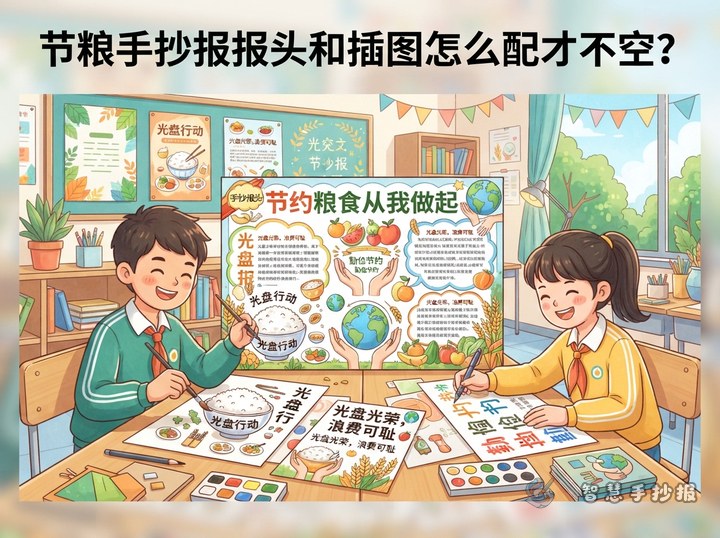
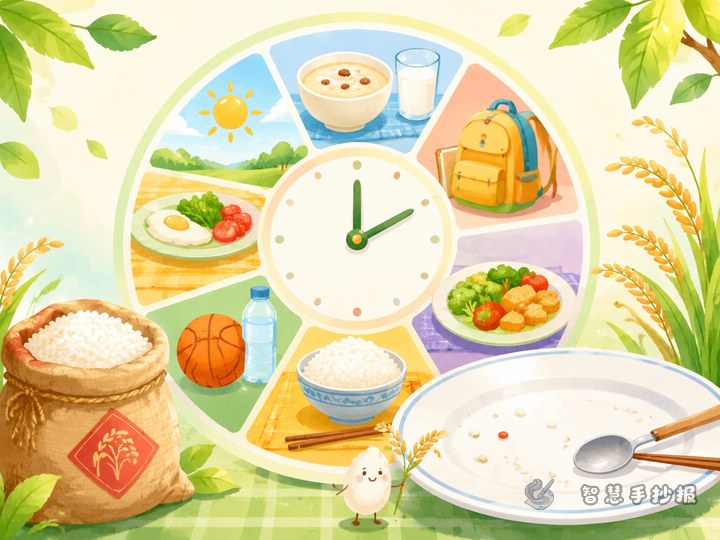
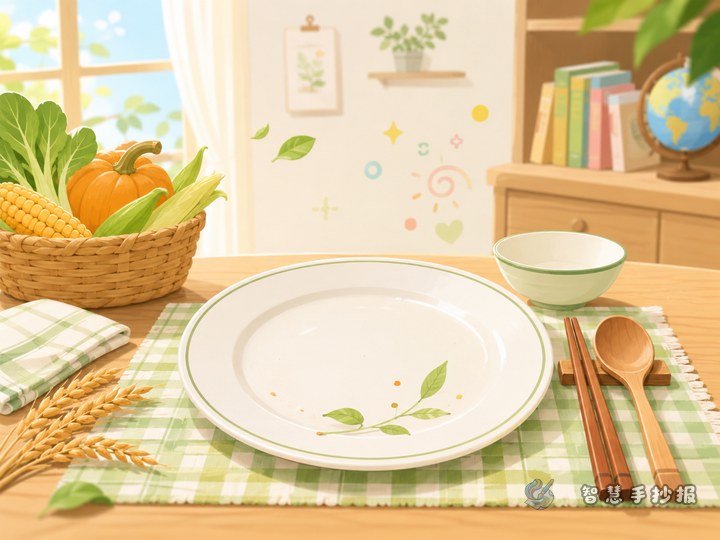
Instead of drawing only rice grains or wheat, try adding more school cafeteria elements to the page, such as trays, bowls, spoons, lines of students, tables, or reminder signs. These details make the theme much clearer at a glance.
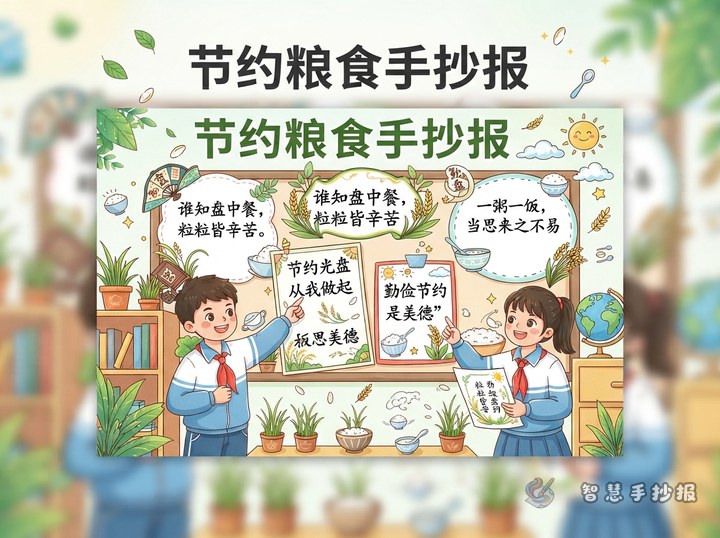
- Place the main title at the top with small tray or bowl decorations.
- Use the left side for a list of good habits so the content is easy to read.
- Use the right side for a manners code or common causes of waste.
- Leave the bottom area for “My clean plate promise” to make the page feel interactive.
Soft green, light orange, and pale yellow are good color choices because they feel bright, friendly, and suitable for a school food-saving theme.
Small details that make the poster better
If you want the poster to do more than simply complete homework, add one interactive idea. For example, create a weekly clean plate chart from Monday to Friday, or include a small box called “What I want to say about waste.” These touches make the page more personal and engaging.
For parents or teachers helping children, it is best to choose one central sentence first and then build three or four content blocks around it. Do not overcrowd the page. After organizing the text, you can continue arranging the final poster in the Smart Handwritten Newspaper WeChat mini program for a cleaner and more polished result.