Start with a central title that tells a story
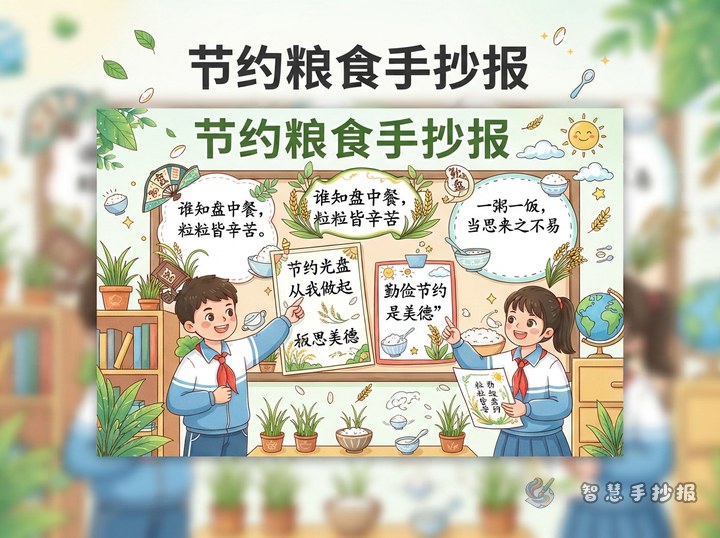
If the poster only says “Save Food,” it may look too plain. A more vivid title for students could be “The Journey of a Grain of Rice”, “Did I Finish My Meal Today?”, or “Treasure Every Meal, Value Every Grain”. A title with imagery makes the whole poster easier to develop and decorate.
Place the main title at the top center in large lettering. Add a short slogan nearby, such as “Take only what you can eat,” “No picky eating, no leftovers,” or “Frugality begins at the table.” This makes the theme clearer and stronger.
Four sections that work well on the poster
Section 1: Clean Plate slogans
- Every grain of food is worth cherishing.
- Save food, start with me.
- Take what you need and finish your meal.
- Frugality is a good habit.
Section 2: Why should we treasure food?
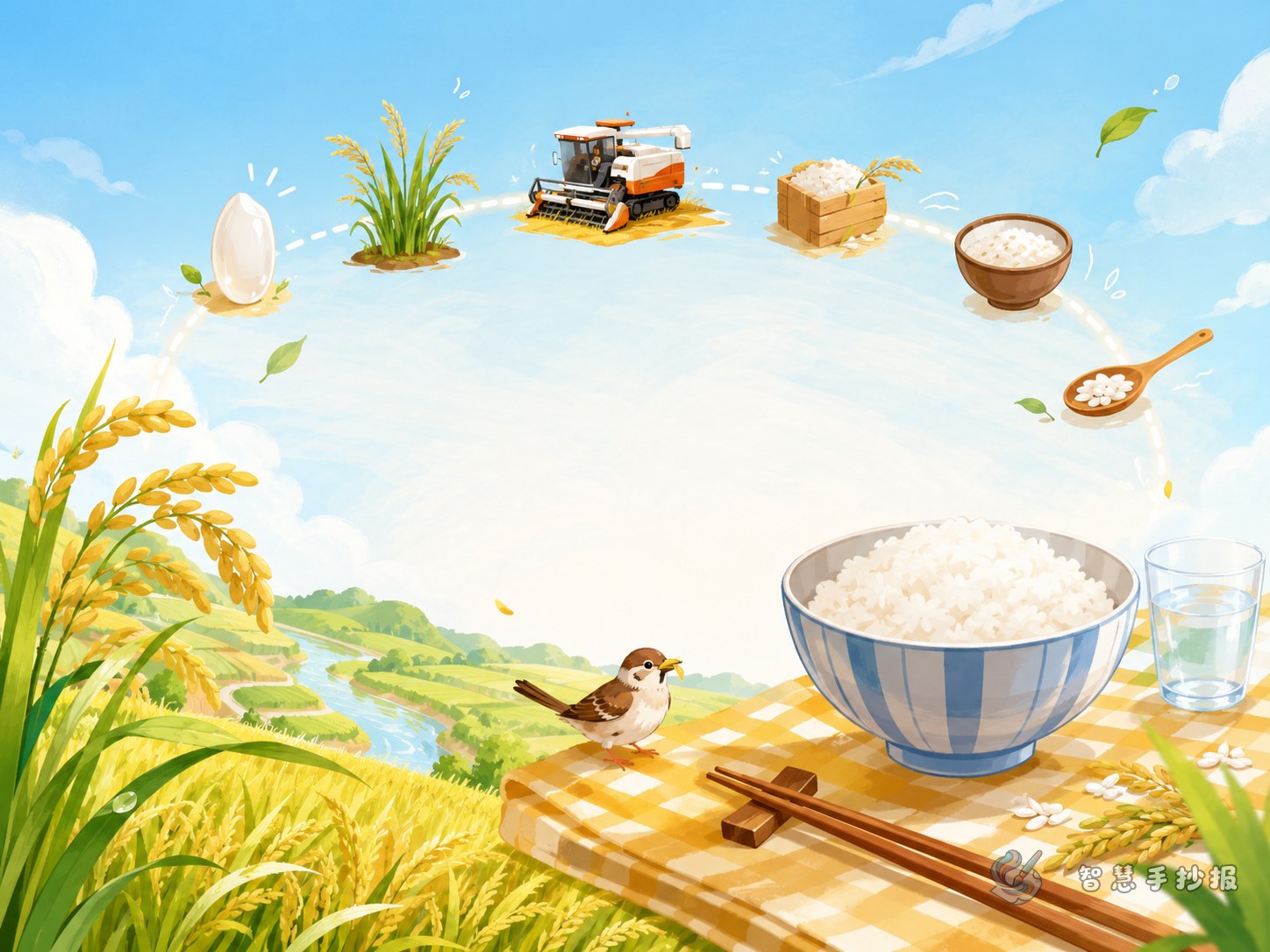
Use short and simple sentences: food does not appear on the table by magic. It takes planting, growing, harvesting, transporting, and cooking. When we save food, we respect hard work and develop a responsible and grateful attitude.
Section 3: My food-saving actions
- Estimate how much I can eat before serving myself.
- Take small portions first and add more if needed.
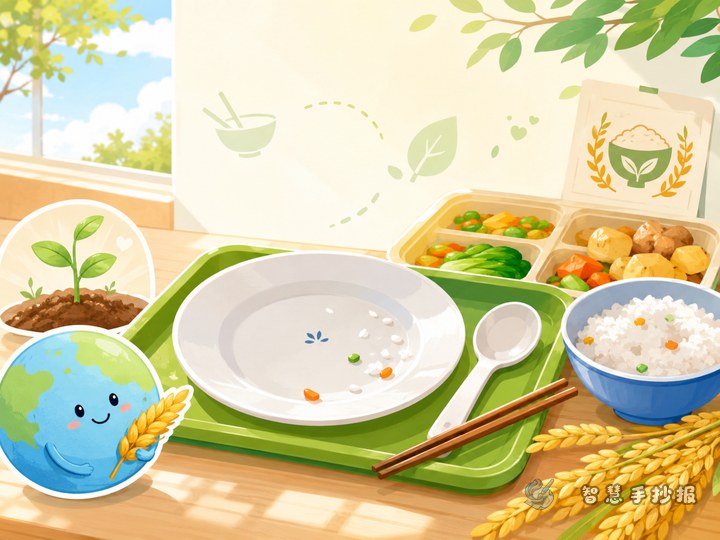
- Finish the food on my plate without wasting it.
- Remind family members and classmates not to waste food.
Section 4: My clean plate promise
You can design this part like a small card or box and write: “I promise to treasure every grain of rice, finish my meals carefully, and practice saving food every day.” This interactive section looks lively on a handwritten poster.
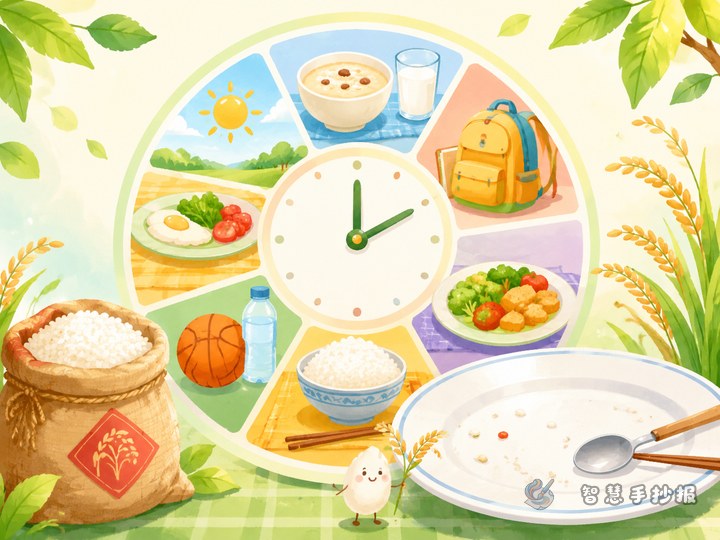
Try a plate-style layout instead of a crowded page
A strong idea is to design the page like a big dinner plate. Put the title in the center, “Why food matters” on the left, “How to save food” on the right, and slogans or promises at the bottom. This layout matches the theme naturally and feels more creative than a standard box layout.
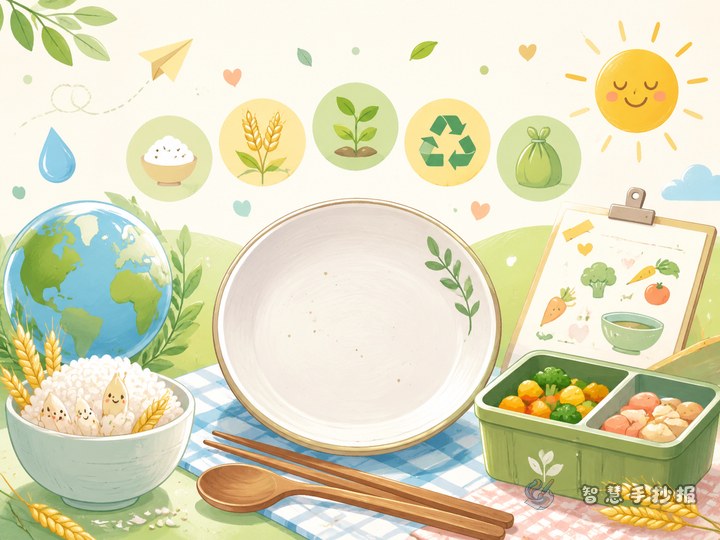
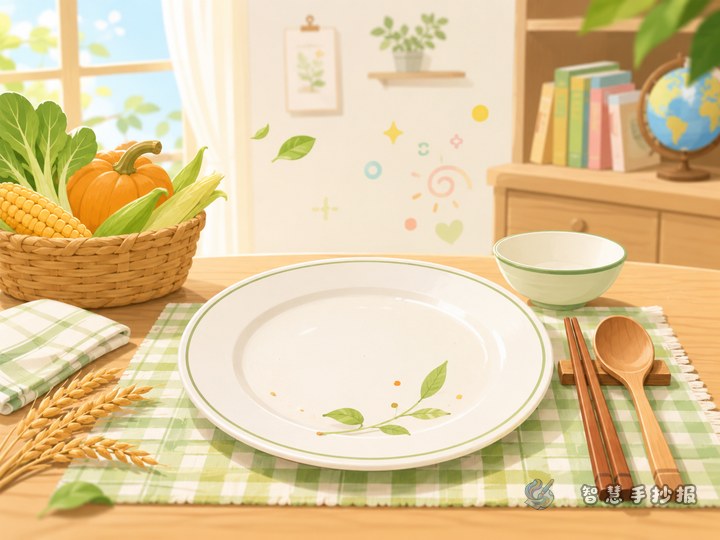
Decorations can include rice grains, wheat, bowls, chopsticks, small farms, and table borders. Colors such as green, yellow, and orange work especially well because they suggest fields, harvest, and a warm mealtime feeling. Keep enough blank space so the words stay easy to read.
A ready-to-use paragraph for the main text
Food is the precious result of hard work. From the field to the dining table, every step takes time and effort. We should learn to cherish food, avoid waste, and build good habits from an early age. Taking only what we can eat and trying to finish every meal are simple actions, but they show respect for labor, gratitude for what we have, and a sense of responsibility in daily life.
How to end the poster with warmth and purpose
The ending can be short but meaningful. Try a call-to-action sentence such as “Let us start today: treasure every meal, value every grain, and become students who know gratitude and practice frugality.” If you want to continue improving the layout, colors, or decorations, you can also explore more poster-making ideas in the Smart Handwritten Newspaper WeChat mini program.