What to Put on a Housework Labor Poster
A housework labor education poster works best when it shows real daily practice. Students can choose chores they truly completed at home, such as sweeping the floor, washing dishes, folding clothes, organizing a desk, or watering plants. Instead of writing only general praise for labor, they should describe specific actions and simple details.
- What chore I completed
- When and where I did it
- What tools I used
- What was difficult at first
- What I learned from the experience
Section Ideas That Make the Page Feel Full
A clear structure helps the poster look neat and readable. Students can divide the page into small blocks so each part has a purpose.
- My Chore List: write 3 to 5 tasks completed at home.
- A Short Labor Story: describe one memorable task in a few sentences.
- Helpful Housework Tips: add easy and safe cleaning or organizing tips.
- What I Learned: explain why labor matters in family life.
- Family Task Sharing: show how family members work together.
Useful Writing Material for Students
Good wording should be simple, honest, and age-appropriate. Students can mention patience, responsibility, neat habits, and care for family members. They may also describe small changes after doing chores, such as keeping their room cleaner or understanding their parents better.
Examples include: I learned that folding clothes carefully takes patience. I found that sweeping corners is harder than I expected. After helping with dishes, I understood that every family member can share responsibility.
How to Arrange the Poster Visually
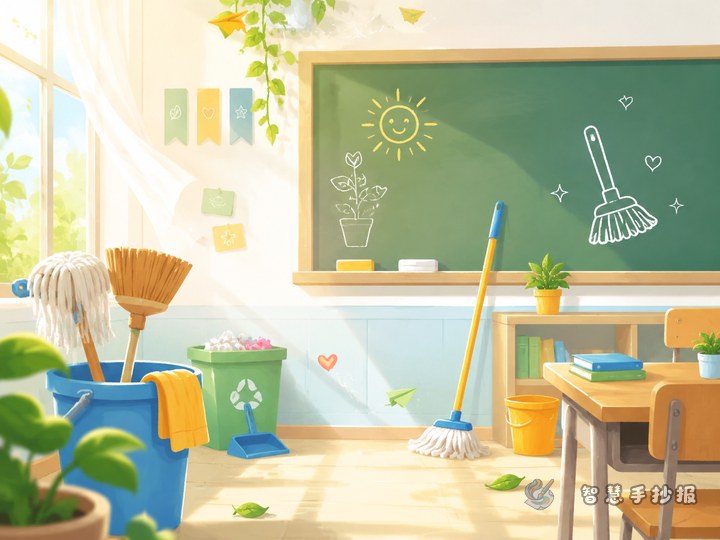
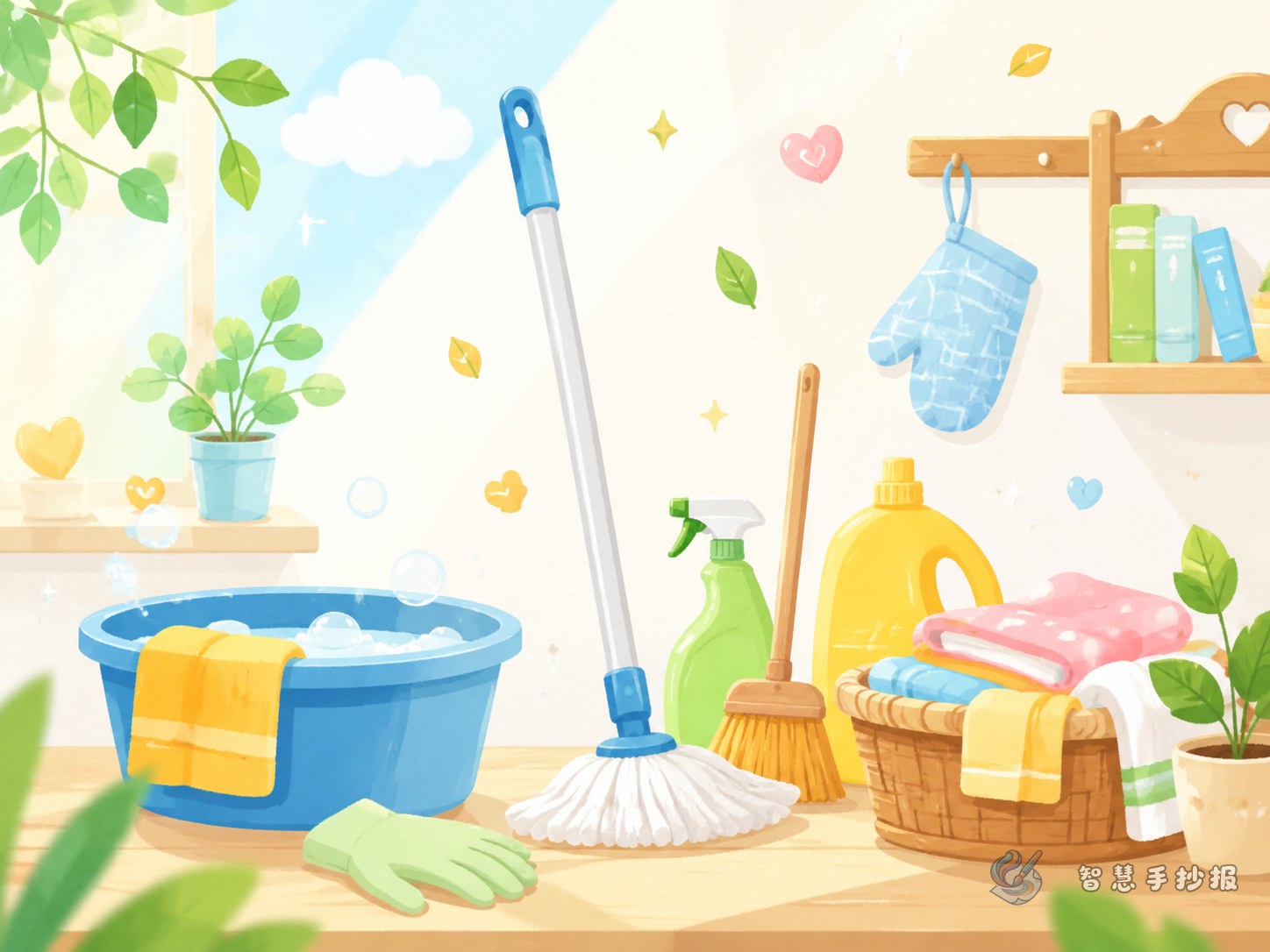
Use a bright and tidy style. Warm colors such as yellow, orange, green, and light blue fit the home labor theme well. A title can be placed at the top center, with four or five sections around it. Small drawings like brooms, aprons, soap bubbles, plants, or storage boxes can support the theme without making the page crowded.
- Keep the title large and easy to read
- Use short paragraphs instead of long text blocks
- Leave white space so the page feels clean
- Match decoration with the housework theme
How to Make the Content More Personal
The most effective posters do not copy fixed sentences. Students can write about one real day of labor, one task they improved at, or one family rule they helped follow. This makes the work more vivid and easier for teachers and parents to recognize as genuine effort.
If you already have the topic and text ideas, you can continue refining the layout and sections in the WeChat mini program of Zhihui Shouchaobao to make the final handwritten newspaper clearer and more complete.