Turn a big theme into one clear question
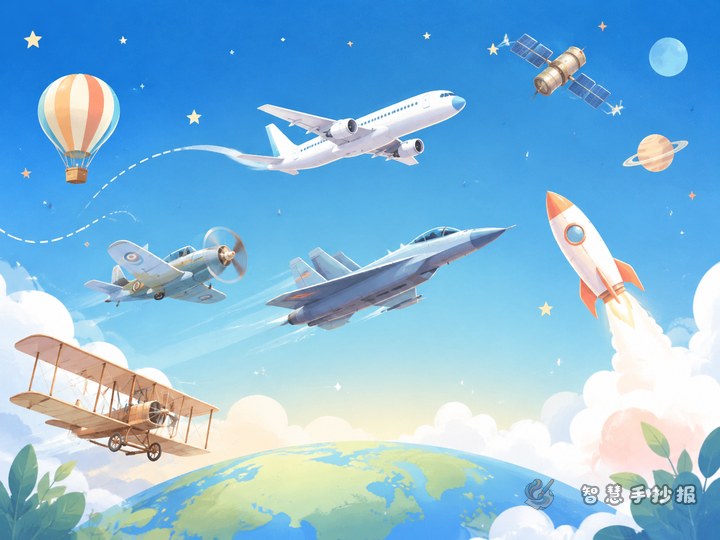
For this kind of handwritten newspaper, you do not need to cover every fact about space and flight. A better student-friendly angle is “How do airplanes fly in the sky, and how do rockets travel into space?” This comparison makes the topic easier to explain and easier to design on the page.
Place the main title at the top center. A subtitle such as “Learning the difference between aviation and spaceflight” helps readers understand the focus right away.
Ready-to-use writing materials
Short opening paragraph
Aviation helps humans travel through the sky, while spaceflight helps us explore outer space. Airplanes support travel, rescue, and transportation. Rockets carry satellites and spacecraft beyond Earth. Learning aviation and space knowledge can help us understand science better and inspire future dreams. If we stay curious and study hard, we can move closer to the sky and the stars.
Aviation facts section
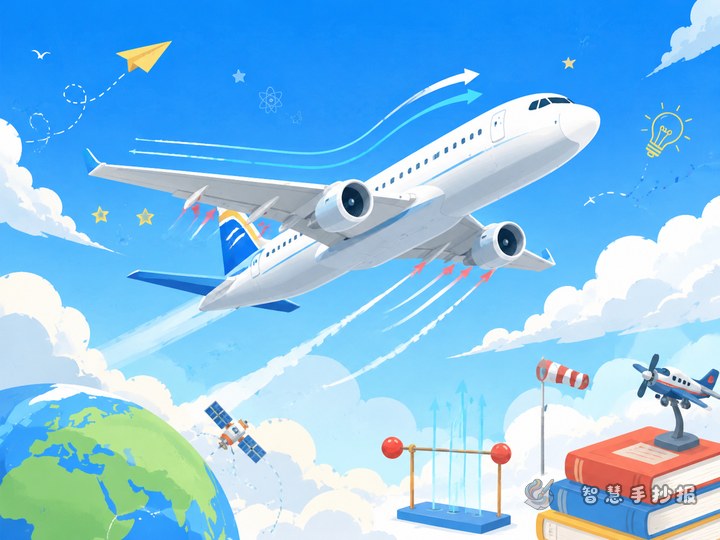
- Why airplanes can fly: The shape of the wings and forward motion create lift.
- What airplanes do: passenger travel, cargo transport, rescue work, patrol, and farm operations.
- Main parts of an airplane: nose, wings, tail, engine, and landing gear.
Space knowledge section
- What rockets do: send satellites, probes, or crewed spacecraft high into the sky and into space.
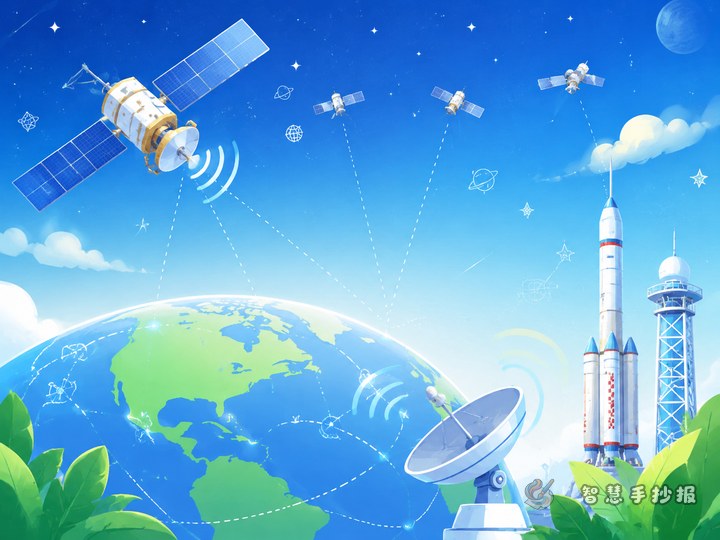
- What satellites do: communication, navigation, weather observation, and Earth monitoring.
- Why space exploration matters: it helps us learn about Earth, understand the universe, and develop science and technology.
Dream message
My dream may not reach space today, but I can start now by learning science, asking questions, and moving forward with courage like an airplane and determination like a rocket.
Try a split-page layout with two flight paths
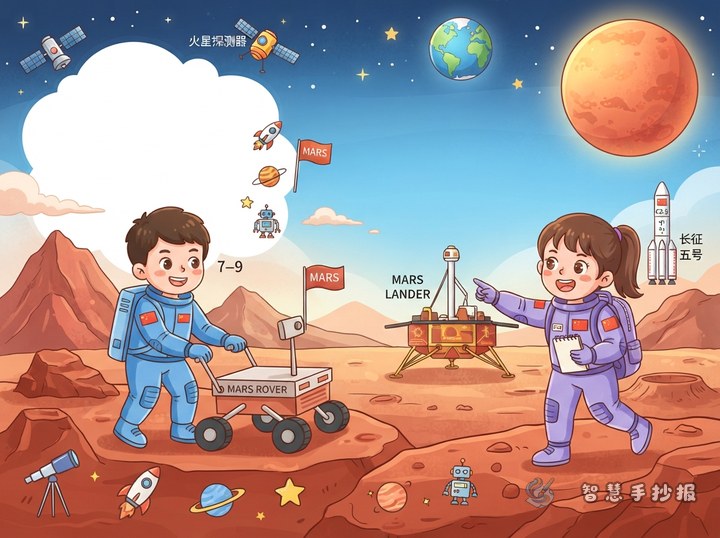
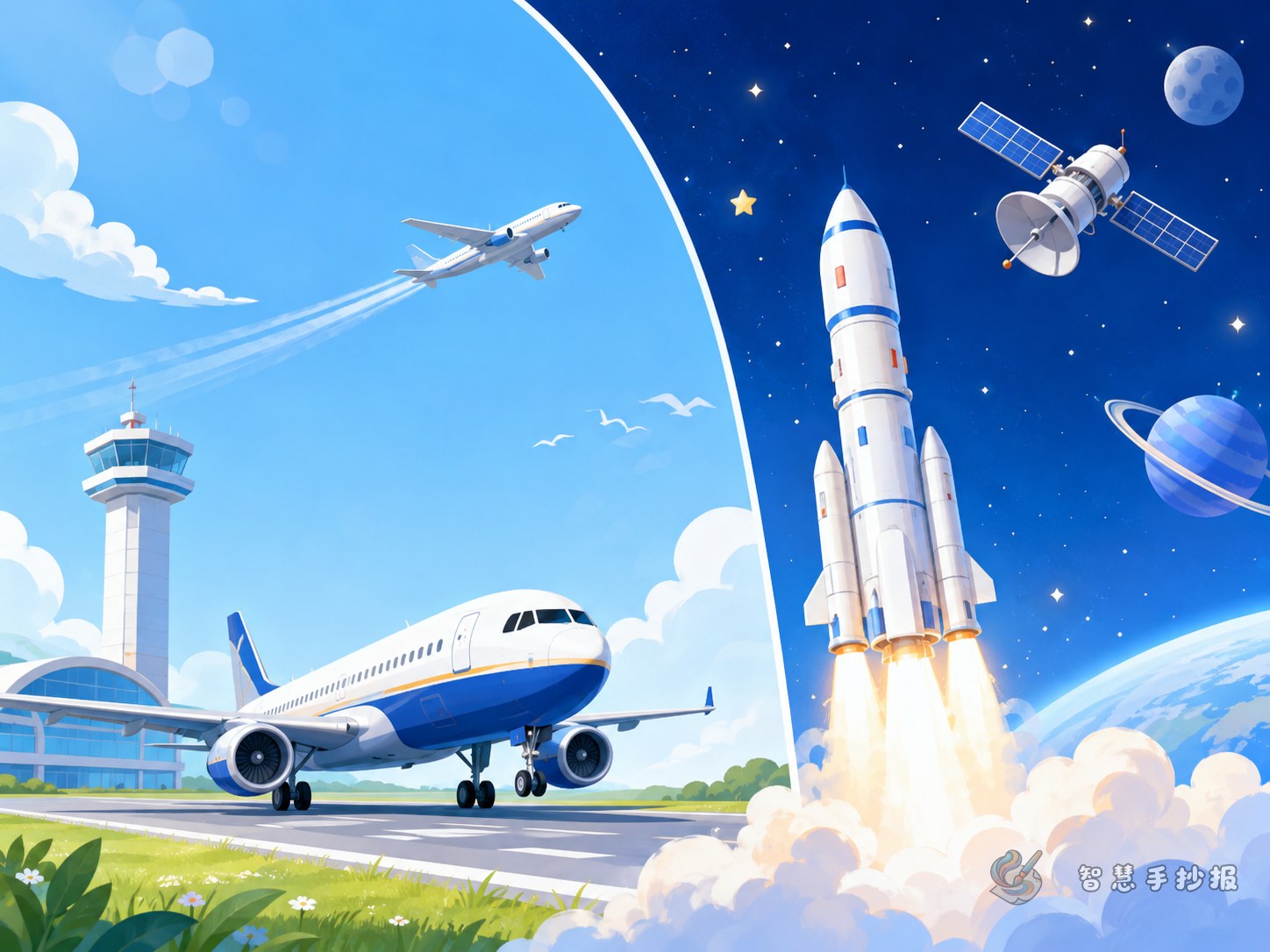
This topic works especially well with a left-and-right layout. Put “Aviation” on the left with airplanes, clouds, and a runway. Put “Spaceflight” on the right with rockets, planets, and stars. In the middle, draw a curved path rising from the ground into space to connect both sides and show the journey from the sky to the universe.
- Top area: main title and subtitle
- Left side: airplane facts, uses of aviation, simple structure drawing
- Right side: rocket facts, satellite uses, space exploration
- Bottom area: my dream or a short reflection
If the paper is small, keep each fact short. One or two lines per point will make the page cleaner and easier to read.
Colors and drawings that match the theme
For the aviation side, use light blue, white, and silver gray to show sky and speed. For the space side, use dark blue, purple, and a little yellow to create a universe feeling. Borders do not need to be complicated. Clouds, stars, small rockets, and airplane trail lines are enough to make the page lively.
Keep the illustrations simple and consistent. One airplane, one rising rocket, plus Earth, the Moon, and a few stars can already make the theme stand out clearly.
Small details that improve the final result
- Do not mix aviation and spaceflight into one paragraph. Separate them clearly.
- Choose facts that are easy for children to explain, not difficult technical terms.
- Make the main title largest, subheadings medium, and body text smallest.
- Sketch the layout in pencil first, then write and color.
- Check spelling carefully, especially words like aviation, rocket, satellite, and spaceflight.
If you want to keep improving the page layout, title ideas, and design, you can continue in the Zhihui Shouchaobao WeChat mini program for more handwritten newspaper inspiration.