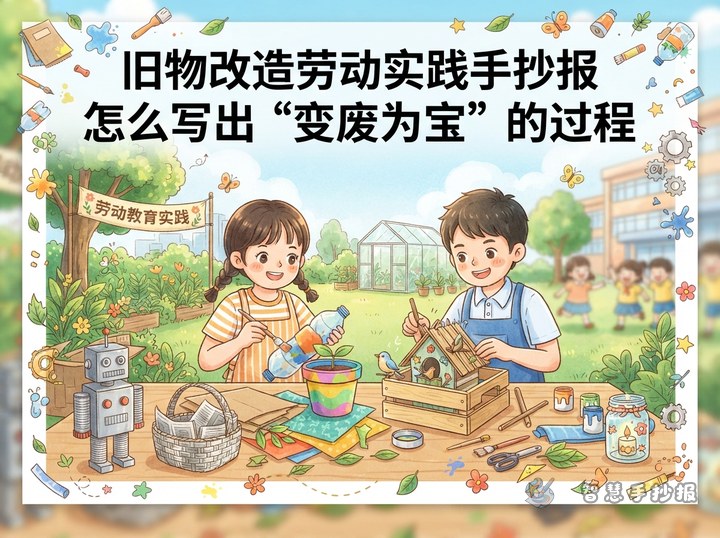
Start with a real labor scene
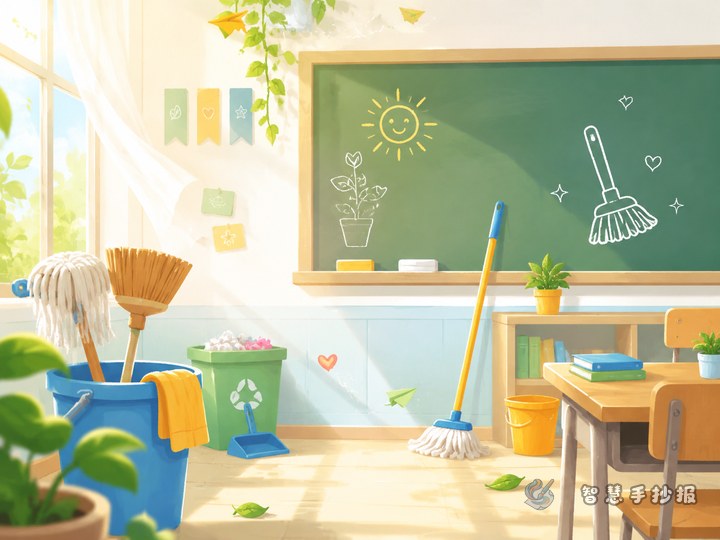
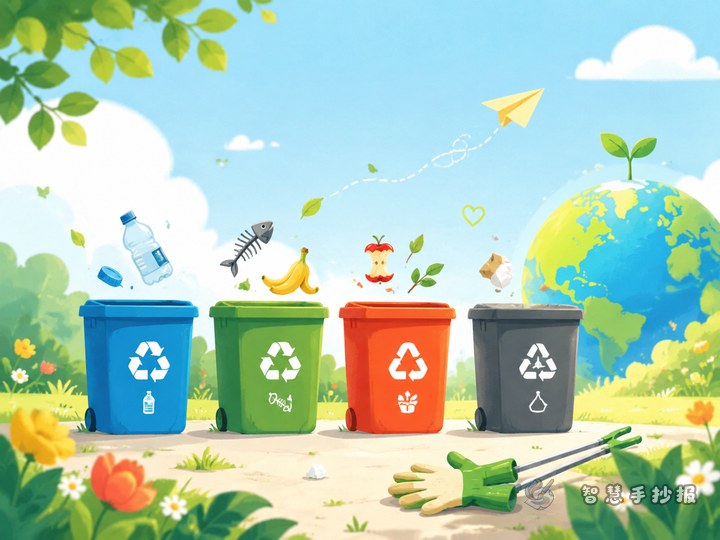
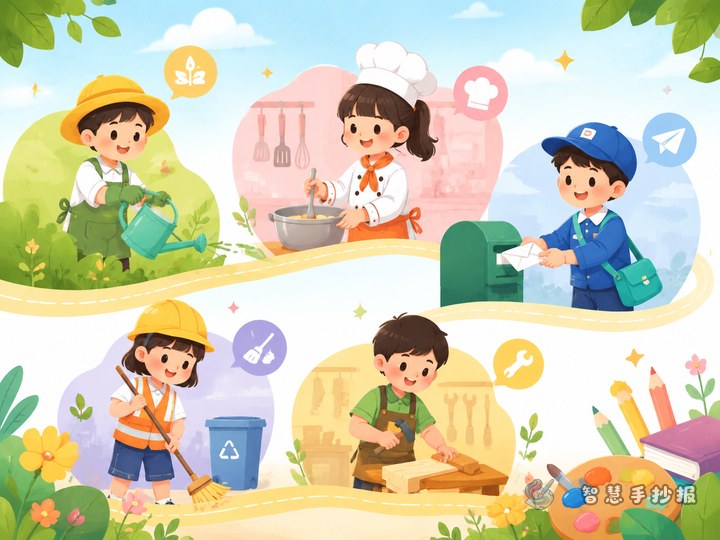
A labor education practice newspaper works best when it focuses on one clear activity instead of only talking about the value of labor. Good choices include tidying a desk, classroom cleaning duty, planting vegetables, helping with housework, making dumplings, sorting trash, or joining a community clean-up. A vivid scene makes both writing and layout easier.
You can narrow the topic with a title such as “My Labor Practice Experience,” “My Housework Day,” or “A School Cleaning Activity.” Then add time, place, task, and feelings to make the page feel personal and authentic.
Useful sections to include
- Main activity: One short line explaining what labor task you did.
- Process: Write the steps in order, from preparation to cleanup.
- What I learned: Share skills, feelings, and changes in attitude.
- Safety and tips: Mention careful tool use, saving water, or teamwork.
- Short quotes: Add simple lines such as “Labor makes life better.”
You do not need too many sections. Three to five clear parts are enough. Younger students can use more drawings and fewer words, while older students can add more detailed reflections.
Sample writing for the page
Simple process paragraph
Before starting, I prepared a cloth, a basin of water, and a trash bag. First, I sorted the items on the desk. Then I wiped away the dust and cleaned the corners. At the end, I threw away the trash and put everything back in order. I felt tired, but I was happy to see a clean space.
Simple reflection paragraph
Through this labor practice, I learned that a tidy environment needs everyone’s effort. Labor can improve our hands-on ability and help us become more responsible. It also teaches us to respect other people’s hard work.
Simple call to action
Let us start with small things in daily life. We can organize our schoolbags, do classroom duty carefully, and cherish the results of labor. We should try to become students who love labor and know how to work well.
How to make the page feel like a real experience
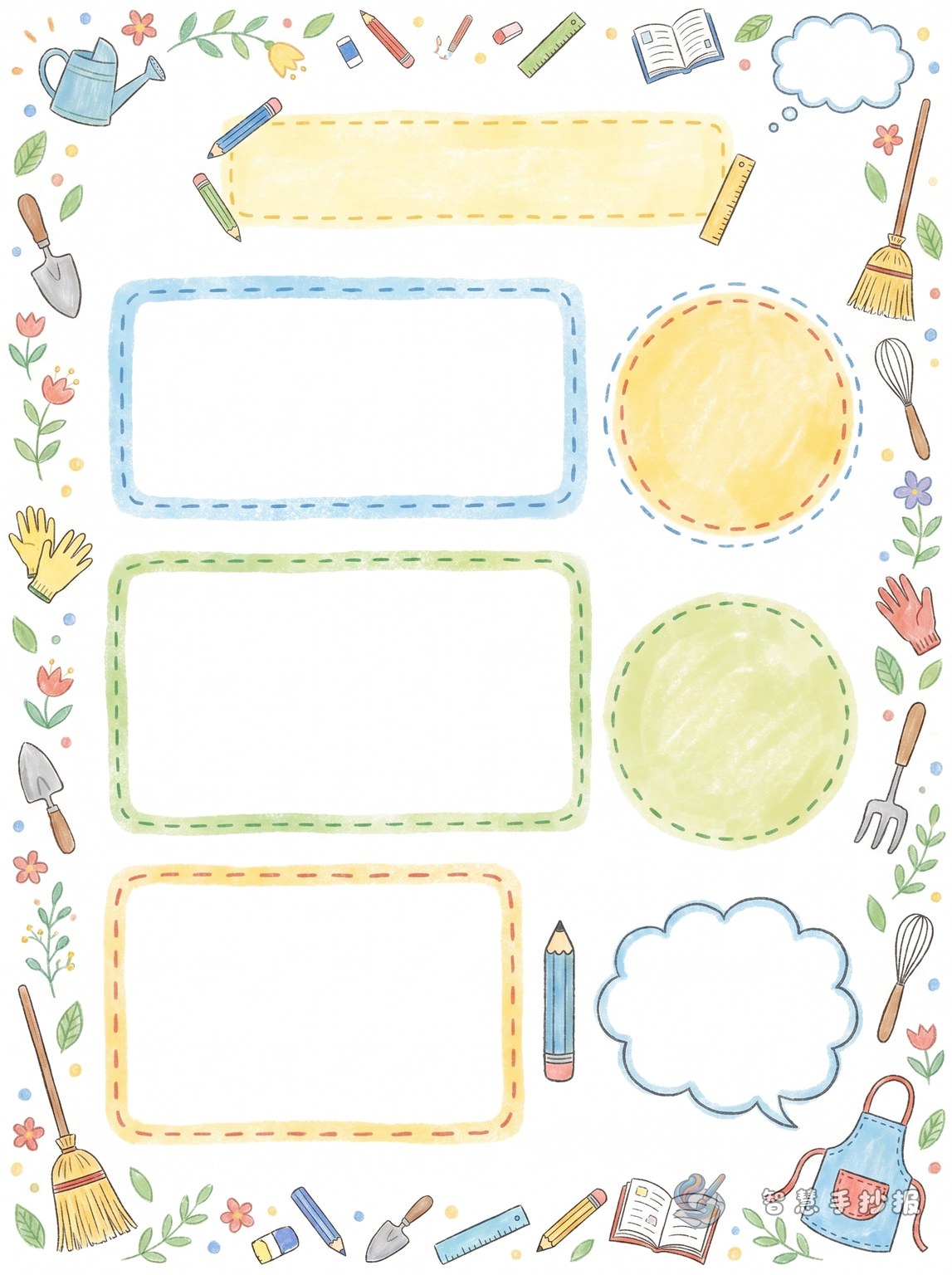
The key to this topic is a sense of participation. Try dividing the page into three parts: one for drawings, one for the labor process, and one for reflections and tips. Suitable drawings include brooms, gloves, aprons, watering cans, desks, plants, and trash bins.
For colors, use bright green, orange, and red to create an energetic mood. Borders can include leaves, small tools, stars, or clouds, but keep decorations simple so the text stays easy to read.
Practical advice for students and parents
Students can first talk about what they did, then turn those ideas into short sentences for the newspaper. Parents can help organize the order, but it is better to keep the child’s own voice. Teachers can guide students with three simple questions: What did you do? How did you do it? What did you learn?
If you want to improve the title style, section layout, or color matching, you can continue designing in the Zhihui Shouchaobao WeChat mini program.