Choose a clear theme: “I joined a campus garbage sorting activity”
A labor education handwritten newspaper should feel practical, not empty. A focused theme such as campus garbage sorting, classroom cleaning, or recycling work makes the content more vivid and easier to organize. It also helps students write from real experience instead of using only general slogans.
Possible titles include “My Garbage Sorting Labor Experience,” “Keeping Our Campus Clean,” or “Learning Through Cleanup Work.” A concrete title often makes the whole page feel more believable and useful.
Four useful sections to include on the page
1. What happened during the activity
Describe the labor process in order: when the activity happened, where it took place, how the class divided tasks, what tools were used, and what was completed in the end. This is the most important part of a practical labor poster.
2. Simple garbage sorting facts
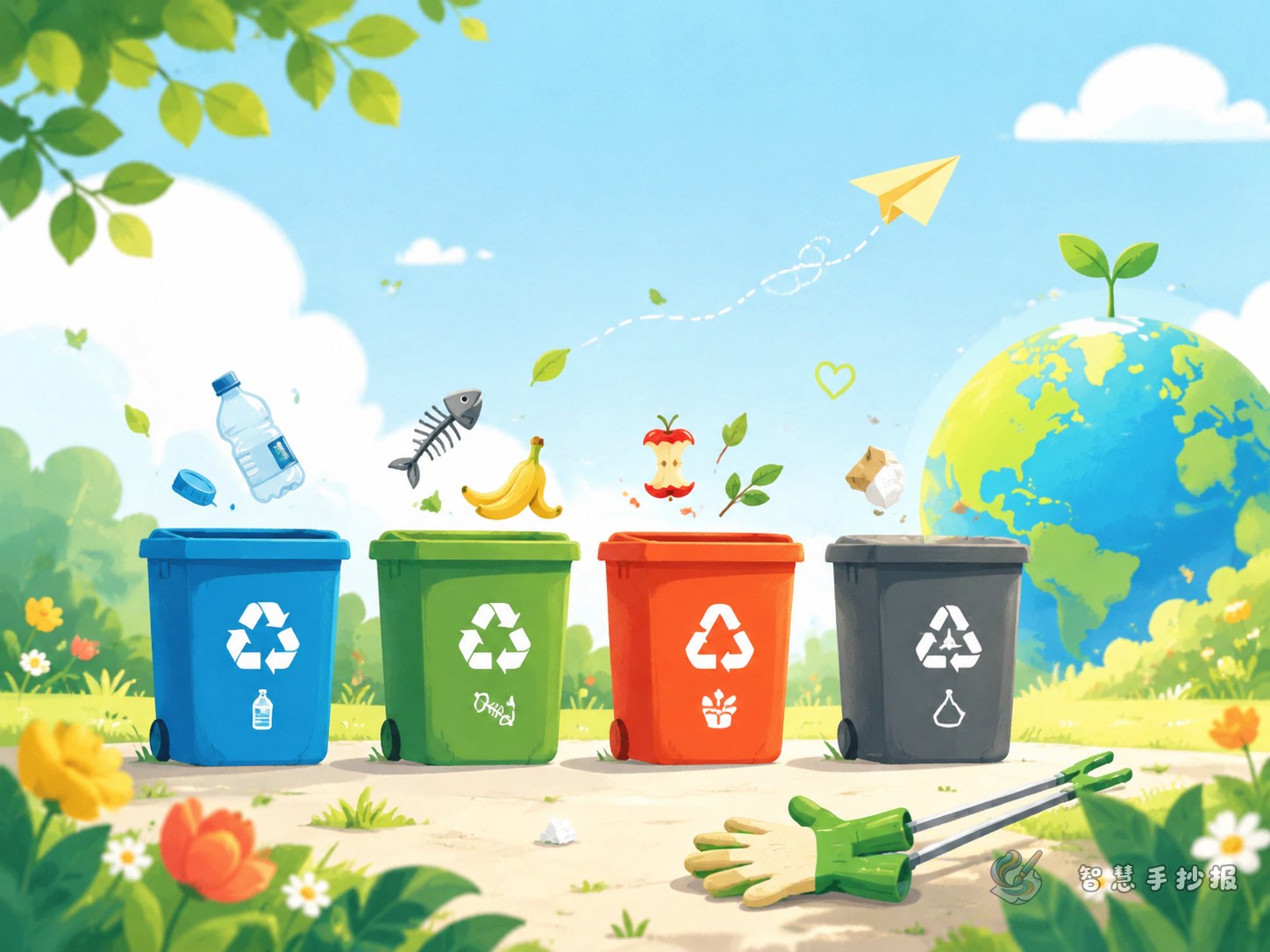
- Recyclables: paper, plastic bottles, boxes
- Other waste: used tissues, disposable tableware
- Check labels before throwing things away
- Reuse useful items whenever possible
3. What I noticed
Students can write about what they observed, such as litter in corners, mixed waste in bins, or too much paper being thrown away. They can also suggest simple improvements like adding sorting reminders or taking turns to keep the area clean.
4. What I learned from labor
This section can explain how labor teaches responsibility, cooperation, and care for the environment. It helps the poster show educational value, not just cleaning results.
Short writing materials students can use directly
These lines fit well in the main text, side notes, or closing section:
- Labor is not only about cleaning a place, but also about taking responsibility.
- When waste is sorted well, the campus becomes cleaner.
- Working with our hands helps us build good life habits.
- Every careful act of sorting is a step toward文明 and order.
- Through labor, I learned teamwork and respect for a clean environment.
Students can also add a personal sentence such as: Today I helped collect paper scraps and fallen leaves near the playground. Small pieces of litter may seem unimportant, but together they affect the whole campus. After the cleanup, I felt proud to see the ground look neat again.
Let the layout show the labor process
This kind of topic works well as a process-style page. Put the main title at the top, then connect sections with arrows such as “noticed a problem – started sorting – cleaned together – finished organizing – wrote reflections.” This gives the page a clear visual story.
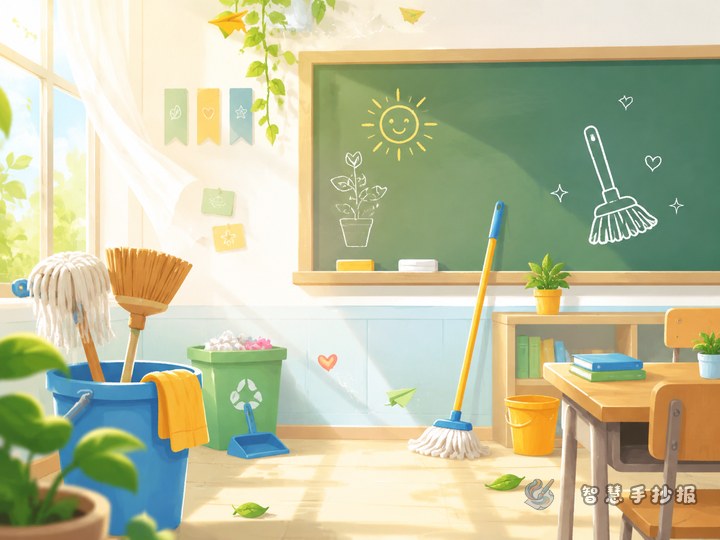
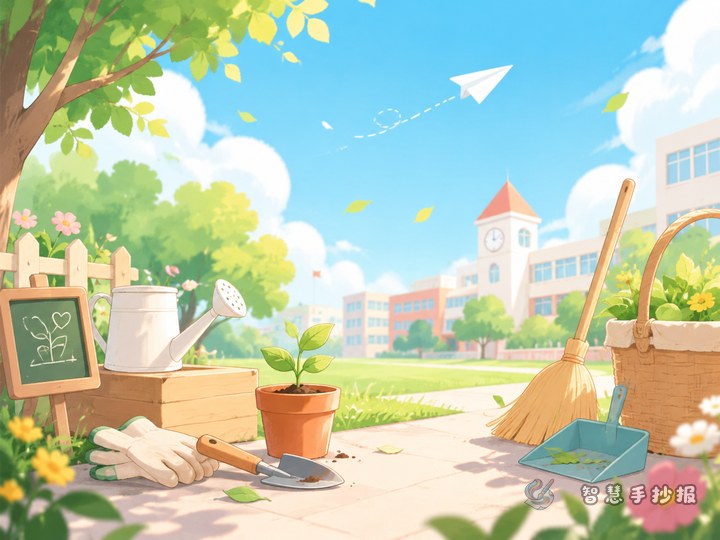
Decorations can include trash bins, gloves, brooms, leaves, water drops, or recycling symbols. Green, blue, and yellow are good color choices because they feel fresh and match the environmental labor theme.
End with meaning, not just a slogan
The closing paragraph can explain why the activity mattered. For example: Through this garbage sorting and cleaning activity, I understood that a clean campus depends on everyone’s effort. In the future, I will start with small daily actions, sort waste carefully, protect the environment, and respect the results of labor.
If students want to improve the layout or explore more poster ideas, they can continue making their handwritten newspaper in the Zhihui Shouchaobao WeChat mini program.