Turn Each Insect into a Farm Identity Card
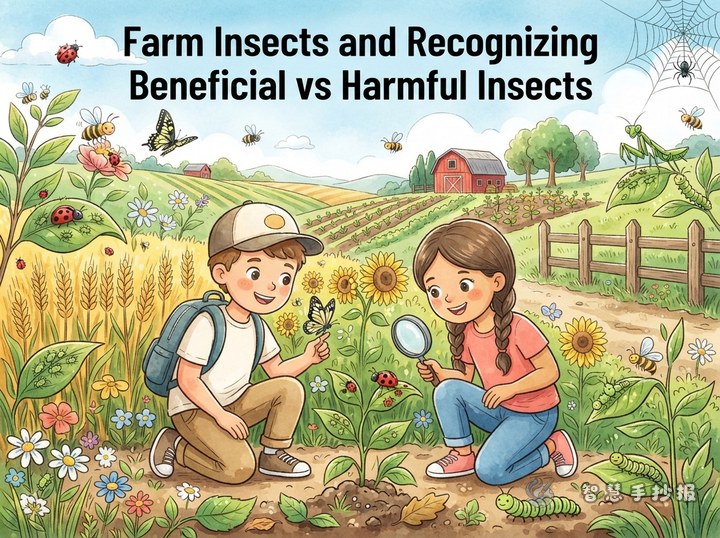
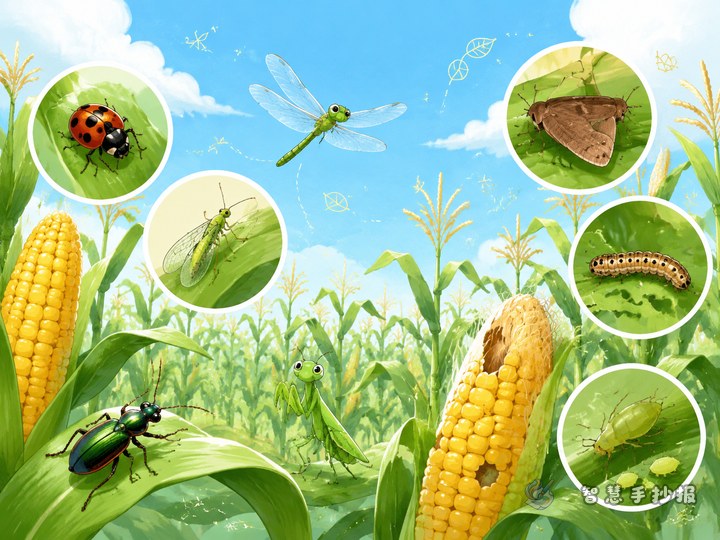
This handwritten newspaper can use an insect identity card theme. Introduce each farm insect through four clues: appearance, habitat, food, and role. This helps readers understand the difference between helpful insects and crop pests. It also shows that an insect should not be judged only by whether it looks cute; what it eats and how it affects crops matter too.
A suitable theme line is “Meet the Small Residents of the Farm and Learn to Identify Them.” Green, yellow, and brown can represent plants, sunlight, and soil. Red or orange can highlight insects that need closer observation.
What to Put on Each Identity Card
- Name: Use familiar names such as ladybird, honeybee, dragonfly, aphid, or cabbage butterfly caterpillar.
- Appearance code: Note the body color, wings, antennae, legs, and shape, then add a simple line drawing.
- Habitat: Say whether the insect is often found on leaves, flowers, soil, rice-field edges, or field paths.
- Food clues: Some helpful insects prey on small insects such as aphids, while honeybees visit flowers. Pests may chew leaves or suck plant sap.
- Farm role: Explain whether the insect helps with pollination, controls pests, or may damage crops.
- Observation reminder: Write “Do not catch unfamiliar insects. Observe gently and return them to their place.”
Short Text for Four Sample Cards
Ladybird Card
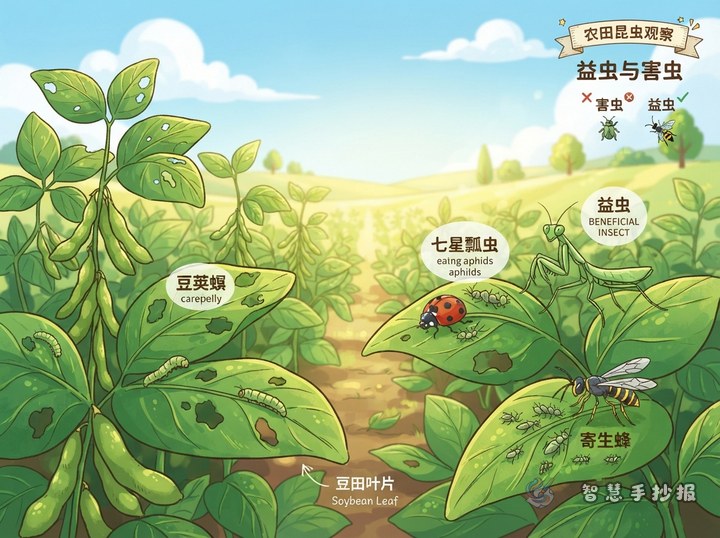
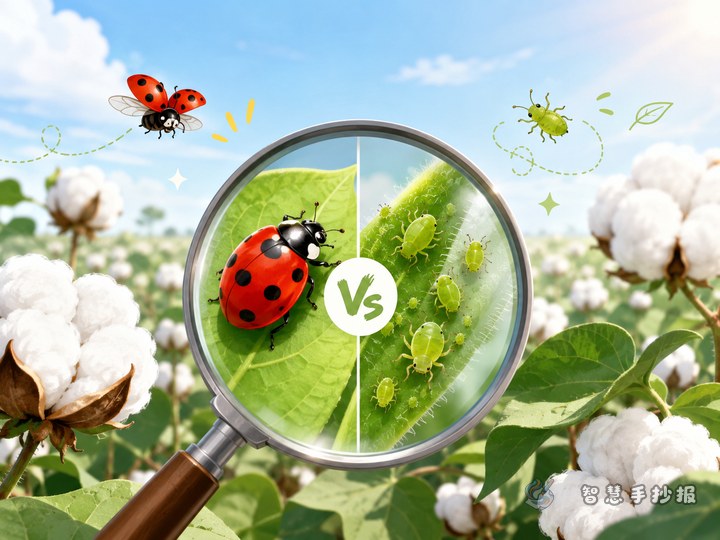
Its round body and bright spots make it easy to recognize. Some ladybirds feed on aphids and can be helpful visitors in fields. Draw a leaf, a group of aphids, and an enlarged ladybird to show this feeding relationship.
Honeybee Card
Honeybees often move from flower to flower and help plants with pollination. You can write “While collecting nectar, it also carries pollen,” then add flowers, a hive, and small pollen icons.
Aphid Card
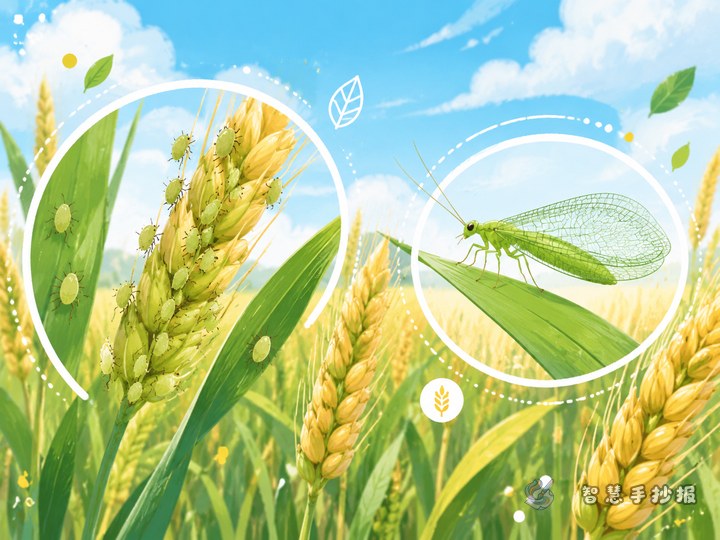
Aphids are tiny insects that often gather around young leaves and stems to suck plant sap. If there are many of them, plant growth may be affected. Use a magnifying-glass drawing and arrows to show curled or weakened leaves.
Cabbage Butterfly Caterpillar Card
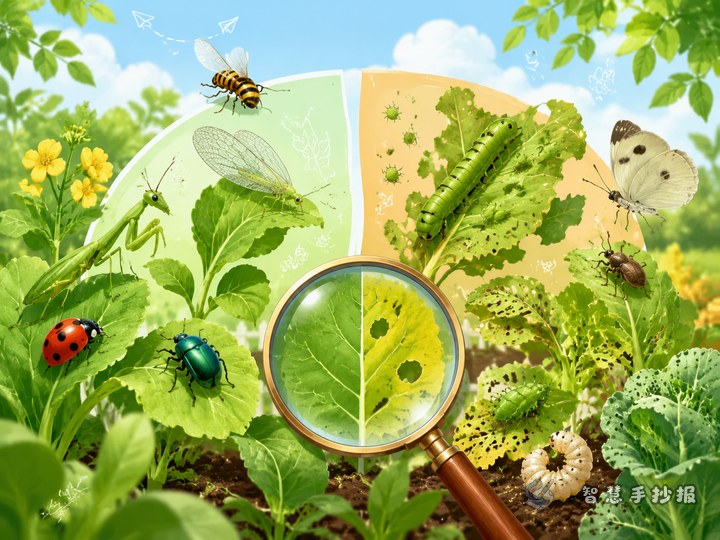
Cabbage butterfly caterpillars may feed on leaves of cabbage-family vegetables, leaving holes or missing edges. Draw a healthy leaf beside a chewed leaf. Avoid labeling every caterpillar as a pest simply because it is a caterpillar.
Connect the Page with a Farm Observation Trail
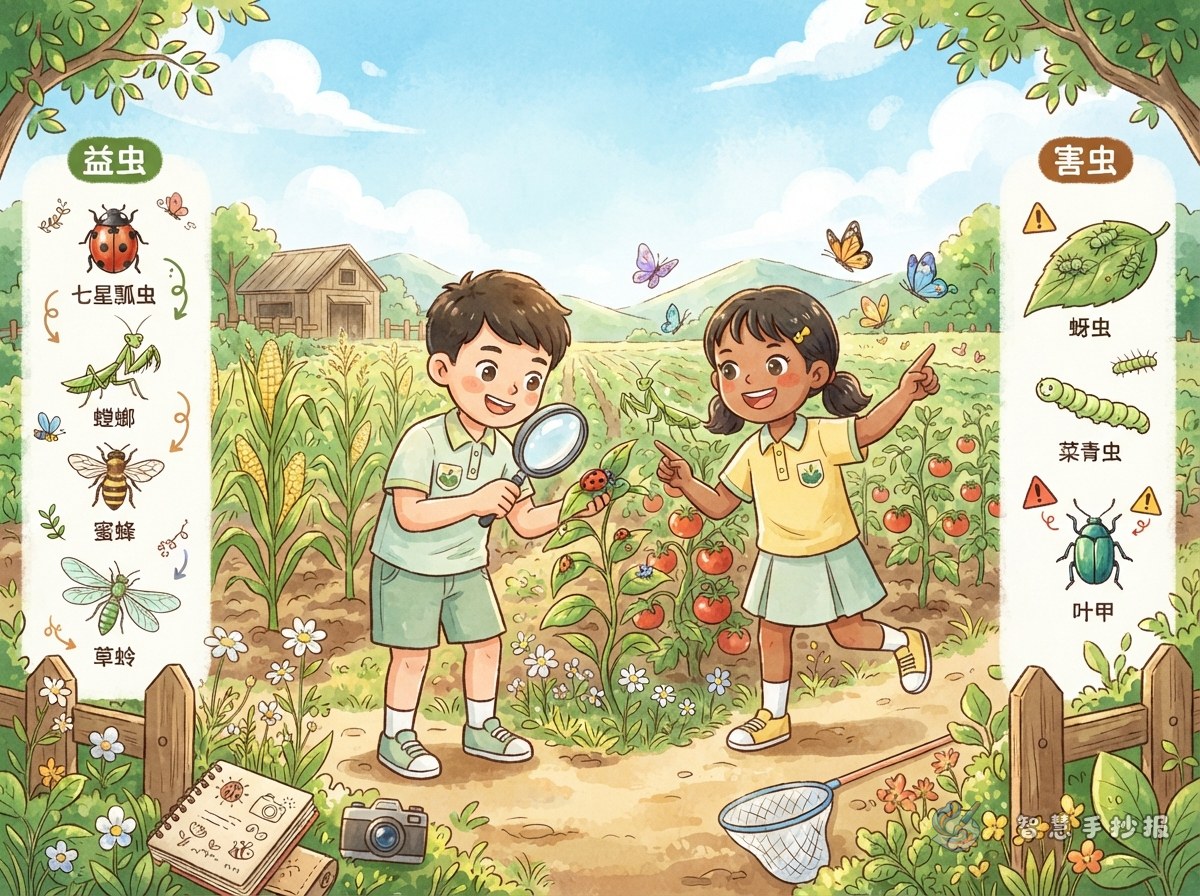
Instead of placing the cards in isolated boxes, draw a curved trail from the field path to leaves, flowers, and soil. Add four stops: look at the shape, find the food, check the traces, and decide the role. Place one insect card at each stop so the reader can follow the page like a small investigation.
- Put the title and a magnifying-glass symbol in the upper-left corner as the starting point.
- Draw a farm scene in the center with leaf, flower, and soil observation areas.
- Place the insect cards around the scene. Use green borders for helpful insects and orange borders for insects that may harm crops.
- Add an “Observation Rules” box at the lower right with reminders about gentle observation, protecting habitats, and not spraying chemicals casually.
Make It Look Like a Mini Research Report
First sketch the trail and card positions with a pencil, then outline them in black and assign a consistent color to each type of information. Keep only two or three key sentences on each card so the page does not become crowded. Finish with a line such as “I will protect helpful insects and learn about farm pests scientifically.” You can also use the Wisdom Handwritten Newspaper WeChat mini program to adjust the sections, colors, and layout after drafting the page.